















Vegetable liquid and fat

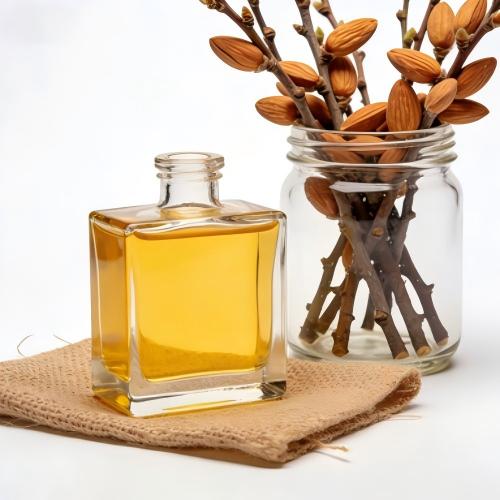
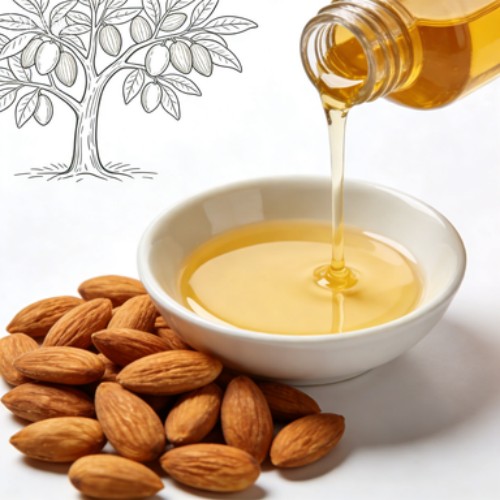
Almond Oil (Omega-9)
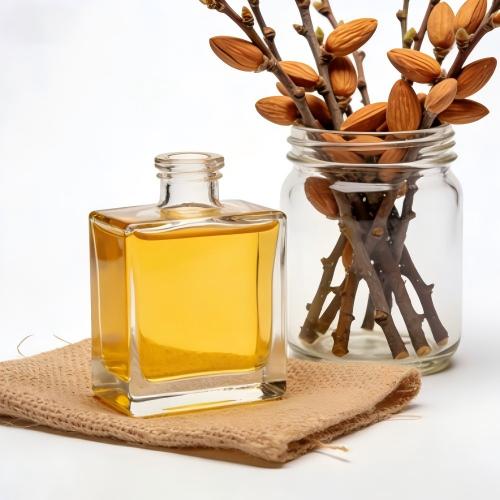
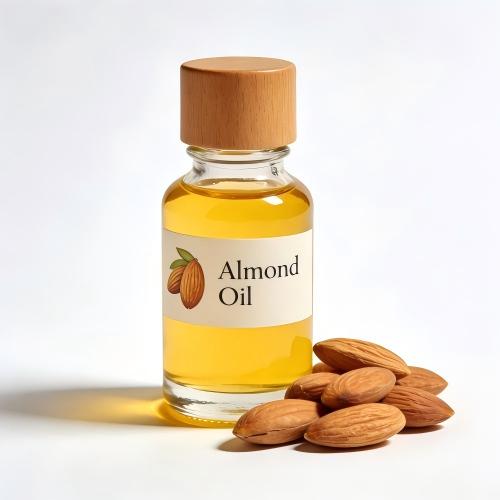
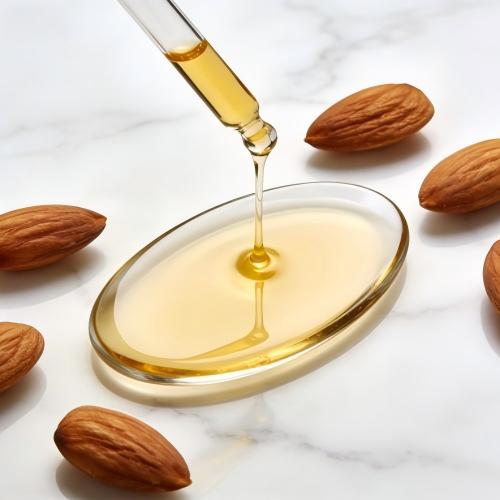
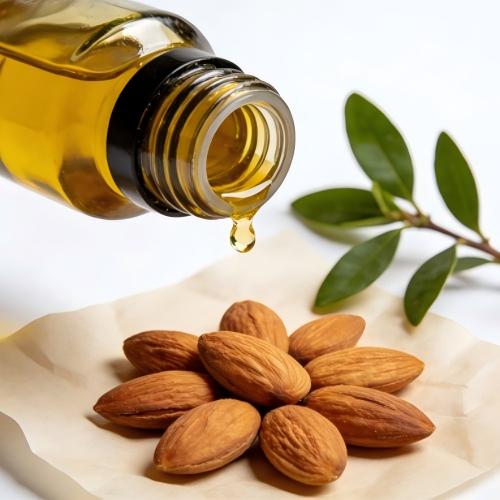
Almond Oil is a versatile and nourishing oil extracted from premium almonds, offering a unique combination of cosmetic elegance and nutritional value. Rich in monounsaturated fatty acids (especially oleic acid) and naturally occurring vitamin E, it provides exceptional moisturizing, antioxidant, and skin-conditioning properties.

Product Introduction
Premium Almond Oil: Refined & Organic High-Oleic Oil for Cosmetics & Nutrition
Product Overview: Almond Oil
Almond Oil is a versatile and nourishing oil extracted from premium almonds, offering a unique combination of cosmetic elegance and nutritional value. Rich in monounsaturated fatty acids (especially oleic acid) and naturally occurring vitamin E, it provides exceptional moisturizing, antioxidant, and skin-conditioning properties.
We offer both Refined Almond Oil for its stability and neutral profile, and Certified Organic Almond Oil for clean-label and natural formulations. This multi-purpose oil serves as a superior emollient in skincare, a nourishing base in hair care, and a beneficial lipid source in select dietary supplements.
 Key Features:
High Oleic Acid Content: Rich in monounsaturated fats for superior skin feel and oxidative stability.
Dual Application Grade: Suitable for both cosmetic/personal care and specific food/supplement applications.
Rich in Vitamin E: Provides natural antioxidant protection to formulations and skin.
Multiple Grades: Available in refined (bleached & deodorized) and certified organic options.
Excellent Emollient: Light texture with high spreadability, easily absorbed without greasy residue.
Product Specifications
Product Name | Oleic Acid (C18:1) Content | Key Characteristics | Packaging |
Refined Almond Oil | ≥ 65% | Bleached and deodorized. Light color, mild odor. High stability. Ideal for cosmetics and topical applications. | 25 kg, 190 kg |
Organic Almond Oil (Virgin/Cold-Pressed) | ≥ 60% | Certified organic, non-GMO. Virgin or cold-pressed to retain natural nutrients, color, and aroma. Ideal for natural & organic formulations. | 25 kg, 190 kg |
Main Applications & Uses
Our Almond Oil is a highly versatile ingredient across two primary industries:
1. Cosmetics & Personal Care:
Skincare: Used in moisturizers, creams, lotions, serums, and facial oils as a premium emollient.
Hair Care: A key ingredient in conditioners, hair masks, and scalp treatments to nourish and add shine.
Baby Care: Gentle enough for baby creams, lotions, and massage oils.
Color Cosmetics: Acts as a conditioning agent in lipsticks and foundations.
2. Food & Dietary Supplements (Specific Grades):
Nutritional Carrier Oil: Used as a base oil for oil-soluble vitamins and nutraceuticals in softgel supplements.
Functional Food Ingredient: Can be used in gourmet oils, dressings, and specialty nutritional products (subject to specific food-grade specifications).
Frequently Asked Questions (FAQ)
1. What are the main skincare benefits of Almond Oil?
Almond Oil is renowned for its excellent emollient properties. It helps to soften and smooth the skin, improves skin barrier function, and provides light moisturization. Its high oleic acid content allows for good absorption, while vitamin E offers antioxidant support, making it suitable for massage, general skincare, and even sensitive skin formulations.
2. What is the difference between Refined and Organic (Virgin) Almond Oil for cosmetics?
Refined Almond Oil has been bleached and deodorized. It has a lighter color, very mild odor, and higher oxidative stability, making it ideal for formulations where a neutral scent and color are desired.
Organic Virgin/Cold-Pressed Almond Oil is mechanically pressed without high heat or chemical solvents. It retains more of its natural nutrients, color, and characteristic nutty aroma, and is essential for certified organic or "natural" product claims.
3. Is your Almond Oil suitable for use in hair care products?
Yes, it is an excellent ingredient for hair care. Almond Oil helps to condition the hair, reduce frizz, add shine, and moisturize the scalp. Its non-greasy absorption makes it a good choice for leave-in conditioners, hair serums, and hot oil treatments.
4. What is the typical shelf life, and how should it be stored?
To preserve quality, Almond Oil should be stored in a cool, dark place in airtight containers, preferably under an inert atmosphere like nitrogen after opening. Refined oil typically has a shelf life of 12-18 months, while virgin/organic oil may have a slightly shorter shelf life of 9-12 months due to its higher natural content. Always refer to the specific Certificate of Analysis for batch data.
5. Is almond oil suitable for anti-aging or eye care products?
Yes, almond oil is an excellent ingredient in anti-aging and eye care formulations. Its rich oleic acid effectively moisturizes and strengthens the delicate skin barrier around the eyes, while natural vitamin E provides antioxidant protection, helping to combat free radical damage. Its lightweight texture absorbs quickly and is less likely to cause milia, making it ideal as a base oil in eye creams, facial oils, or facial massage oils.
6. What are the advantages of almond oil in formulations compared to argan oil or jojoba oil?
Each oil has its unique advantages. Almond oil excels in its excellent value and broad skin compatibility. Compared to argan oil, it has a lighter texture, lighter color, and milder scent, making it more suitable for formulations requiring a neutral sensory profile. Compared to jojoba oil (strictly speaking, a liquid wax ester), almond oil, as a true triglyceride oil, provides a more direct moisturizing and softening effect. It is often used as an excellent supplement or partial substitute for these high-value oils to optimize costs and improve the overall skin feel of the formula.
7. What are the special requirements for the production process of certified organic almond oil?
Our certified organic almond oil strictly adheres to international organic standards (such as EU and US NOP). This requires: 1) Raw material sourcing: Almonds must come from certified organic farms, and the use of synthetic pesticides and fertilizers is prohibited. 2) Processing: Only physical pressing (such as cold pressing) and natural filtration are permitted; the use of chemical solvents for extraction is prohibited. 3) Full traceability: From farm to finished product, all stages must be documented and undergo annual audits by certification bodies.
8. Will almond oil trigger nut allergies? Is it safe for topical use?
Although ingested almonds are a common food allergen, the risk of allergic reactions from refined almond oil in topical skincare products is extremely low. During the refining process, the vast majority of proteins that may cause allergies are removed. However, for the strictest consumer safety considerations, we recommend labeling products with "Contains almond-derived ingredients" to allow consumers informed choice. For cold-pressed or organic virgin oils, which retain more natural components, manufacturers must carefully evaluate based on target market regulations.
9. Does your company offer cosmetic-grade or extra-refined almond oil?
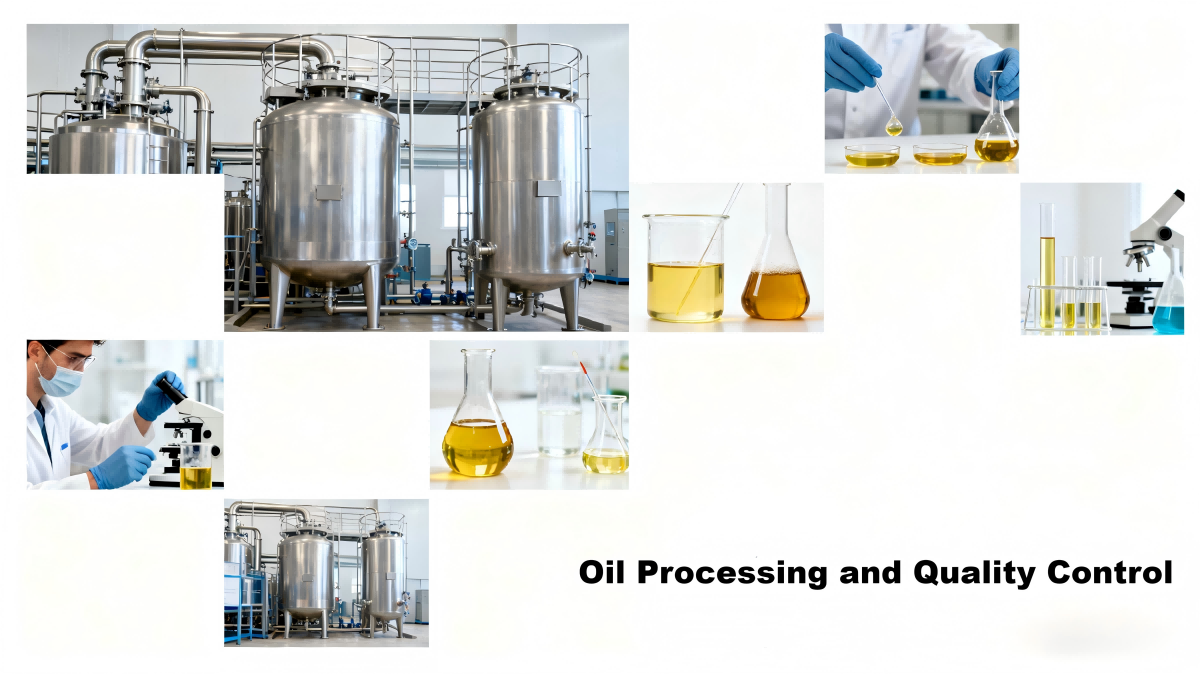
Yes. Our refined almond oil meets cosmetic-grade standards. It undergoes deep refining, decolorization, and deodorization to ensure clear color, neutral odor, low acid value and peroxide value, and microbiological indicators that meet cosmetic raw material requirements. We can provide the corresponding specifications and supporting documents compliant with cosmetic GMP.
10. Besides standard packaging, can you provide small-batch samples or customized packaging specifications?
We understand the needs of R&D and pilot production. In addition to the standard 25 kg and 190 kg packaging, we can provide potential clients with small-sized samples (such as 1 kg or 5 kg) for formulation testing and evaluation. For established clients, we can also explore customized packaging solutions (such as containers of specific sizes or aseptic filling) to meet your production line needs and brand image.
Contact Information