















Fuctional liquid and fat


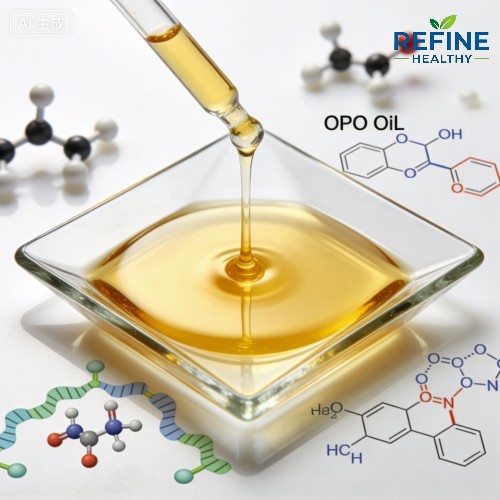
OPO Structured Lipid Oil (1,3-dioleyl-2-palmitoyl triglyceride)
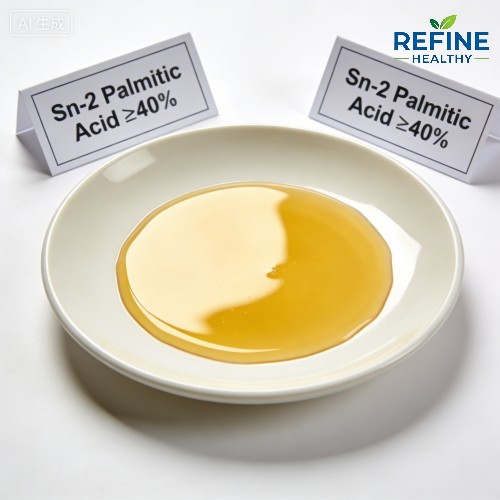
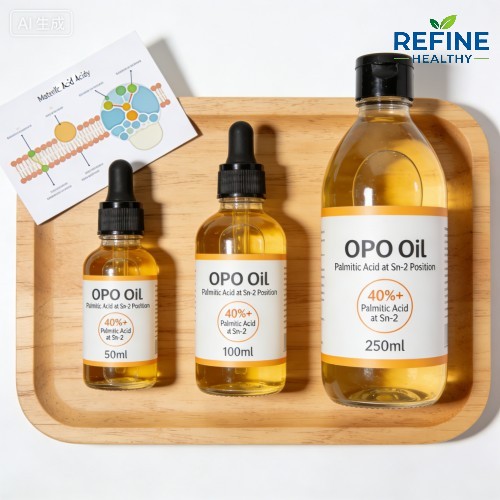
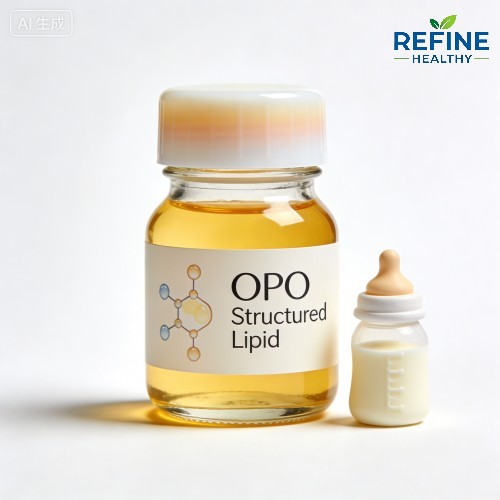
OPO Oil (1,3-dioleyl-2-palmitoyl triglyceride) is a scientifically advanced structured lipid designed to closely mimic the fat composition of human breast milk. By positioning palmitic acid at the SN-2 position of the triglyceride (as 1,3-dioleyl-2-palmitoyl triglyceride), it significantly improves fat absorption, reduces calcium soap formation, and supports softer stools in infants.

Product Introduction
OPO Structured Lipid Oil (1,3-dioleyl-2-palmitoyl triglyceride)
OPO Oil (1,3-dioleyl-2-palmitoyl triglyceride) is a scientifically advanced structured lipid designed to closely mimic the fat composition of human breast milk. By positioning palmitic acid at the SN-2 position of the triglyceride (as 1,3-dioleyl-2-palmitoyl triglyceride), it significantly improves fat absorption, reduces calcium soap formation, and supports softer stools in infants.
This specialized fat is produced through enzymatic interesterification, ensuring high purity and nutritional efficacy. Available in various OPO content levels (from 40% to 50% of total triglycerides) and including an organic certified option, our OPO oils provide formulators with flexible solutions to optimize infant nutrition products.
Key Features:
Human Milk Fat Mimetic: SN-2 palmitate structure mimics the natural fat in breast milk.
Enhanced Nutrient Absorption: Improves calcium and fat absorption, reduces mineral loss.
Multiple Potency Options: OPO content ranging from 40% to 50% to meet different formula standards.
Organic Option Available: Certified organic OPO oil for clean-label formulations.
Proven Benefits: Supports softer stools, better bone mineralization, and overall digestive comfort.
Product Specifications
Product Name | OPO Content (Min.) | Key Characteristics | Packaging Specification |
OPO Oil 40% | 40% | Standard purity, for general infant formula applications. | 25kg, 190kg |
OPO Oil 45% | 45% | Higher purity level for premium infant nutrition products. | 25kg, 190kg |
OPO Oil 50% | 50% | Highest commercial purity, maximized SN-2 palmitate benefits. | 25kg, 190kg |
Organic OPO Oil | 40% | Certified organic, non-GMO. Meets strict organic standards. | 25kg, 190kg |
Note: All variants are refined, deodorized, and free from trans fatty acids. Specific contaminant limits (e.g., GE, 3-MCPD) available upon request.
Main Applications & Uses
Our OPO Structured Lipid Oils are primarily developed for:
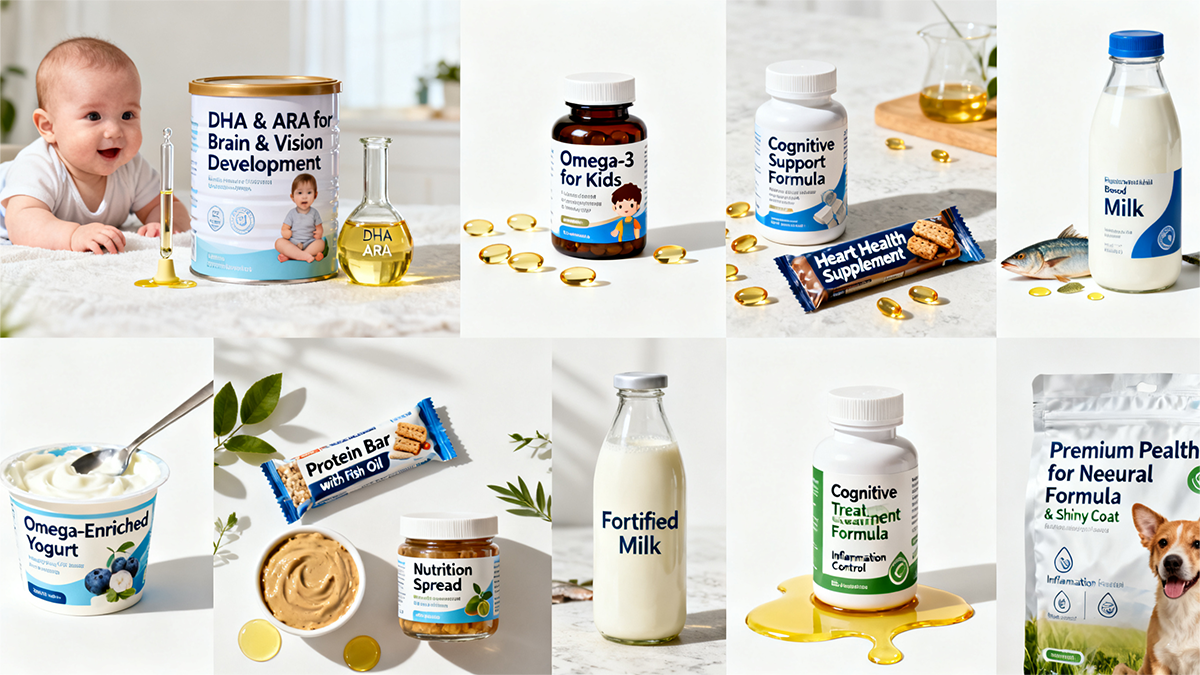
Infant Formula: The primary application, used to humanize the fat blend in baby formula, improving digestion and nutrient utilization.
Follow-On Formula & Growing-Up Milk: Enhances the nutritional profile of formulas for older infants and toddlers.
Clinical & Medical Nutrition: Used in specialty medical foods for infants and children with malabsorption issues or specific nutritional needs.
Maternal Nutrition: Incorporated into supplements for pregnant and lactating women to indirectly support infant nutrition.
High-Quality Adult Nutrition: Beginning to be explored in senior nutrition and products for individuals with fat absorption challenges.
Frequently Asked Questions (FAQ)
1. What is OPO, and why is it important for infant formula?
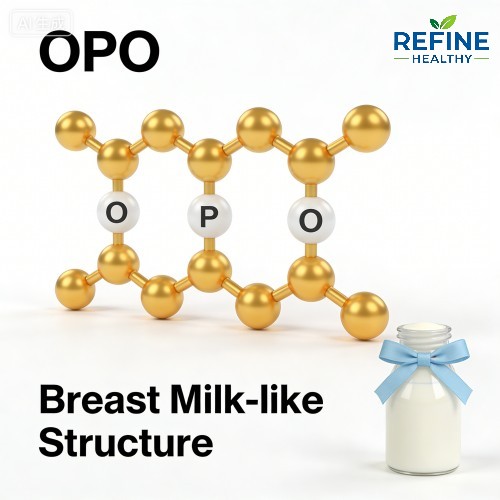
OPO refers to a specific structured triglyceride where Oleic acid (O) is at the SN-1 and SN-3 positions, and Palmitic acid (P) is at the SN-2 position. In standard vegetable oils, palmitic acid is mostly at the SN-1/3 positions, which can form insoluble calcium soaps in the gut, leading to harder stools and reduced calcium/fat absorption. OPO's structure mimics human milk fat, preventing this issue and enhancing nutrient absorption and stool softness.
2. How do I choose between 40%, 45%, and 50% OPO oil?
The choice depends on your target OPO content in the final formula and cost-in-use considerations.
40% OPO Oil: A cost-effective choice to significantly increase SN-2 palmitate levels in a standard formula.
45% & 50% OPO Oil: Used for premium and ultra-premium formulas where achieving the highest possible SN-2 palmitate content is a key marketing and nutritional claim. They offer greater efficiency in boosting the final product's OPO level.
3. What quality and safety standards do your OPO oils meet?
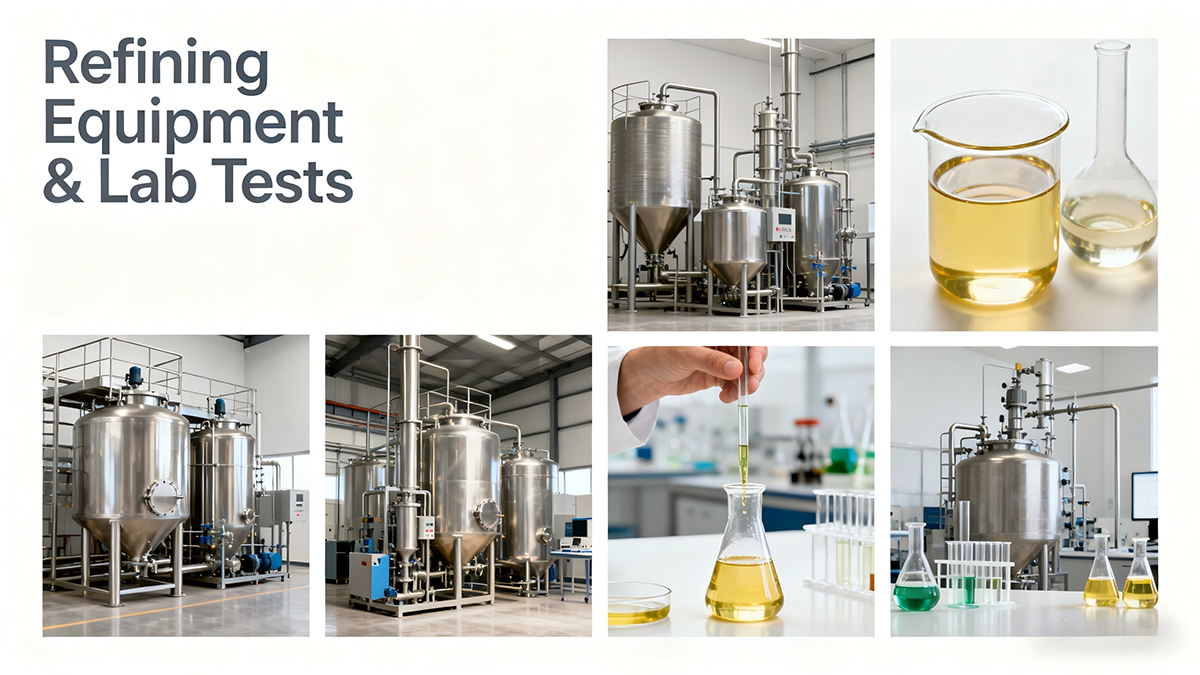
Our OPO oils are refined to the highest standards for infant nutrition ingredients. They are produced under strict GMP conditions, are free from trans fats, and have controlled levels of processing contaminants such as Glycidyl Esters (GEs) and 3-MCPD. We provide full certificates of analysis (CoA) and can comply with major international regulatory frameworks (China, EU, FDA, etc.).
4. Is your Organic OPO Oil suitable for all organic infant formulas?
Yes, our Certified Organic OPO Oil is produced from certified organic raw materials and processed according to organic standards. It is the ideal choice for manufacturers developing organic infant formula that requires the proven digestive benefits of an SN-2 palmitate structured lipid.
5. How should OPO oil be used in the fat blend of infant formula?
OPO oil is typically added as a key component of the fat blend to replace a portion of standard vegetable oils (such as palm oil, soybean oil, etc.). The recommended addition ratio depends on the final target SN-2 palmitate content, generally between 20% and 45% of the total fat content. Our technical team can provide specific application guidance and support to help you optimize your entire fat system to achieve a fatty acid composition and structure closest to breast milk.
6. What impact does the use of OPO oil have on the stability and shelf life of the final product?
Our OPO oil is highly refined and deodorized, exhibiting excellent oxidative stability. In formulation, its properties are similar to other stable vegetable oils. To ensure product stability throughout its shelf life, we recommend following standard fat protection measures, including the use of appropriate antioxidants (such as mixed tocopherols), avoiding prolonged high-temperature processing, and using nitrogen-filled packaging. We can provide specific stability data to support your shelf-life assessment.
7. Is our OPO oil suitable for products claiming "palm oil-free"?
This is a question that requires careful consideration. Although the "P" in OPO stands for palmitic acid, our OPO oil is a structured oil produced through enzymatic transesterification, and its raw materials may be derived from various vegetable oils. Technically, it is not directly added palm oil. However, whether a "palm oil-free" claim can be made ultimately depends on the specific regulatory definitions and claim guidelines in your market. We recommend that you verify with regulatory experts; we can provide detailed ingredient traceability and processing instructions to support your assessment.
8. Is there data to support the clinical benefits of OPO oil for infants?
Yes. Numerous published clinical studies have confirmed the benefits of formula milk powder rich in SN-2 palmitate (i.e., OPO added) for infants. These benefits include: 1) increased calcium and fat absorption; 2) reduced calcium soaps in feces (making stools softer and more frequent than in breastfed infants); 3) support for a healthy gut microbiota; 4) promotion of bone mineral density. We can provide relevant scientific literature summaries for your reference.
9. Does OPO oil have specific applications in Foods for Special Medical Purposes (FSMP) infant formula?
Yes. OPO oil, due to its excellent absorption properties, is ideal for medical purpose formulas for infants with indigestion, fat malabsorption, or premature/low birth weight. Its easily digestible structure reduces metabolic burden and improves energy and calcium intake in these vulnerable groups. We can provide more detailed technical documentation and support for these specific applications.
10. Can we obtain samples for formulation testing and trials?
Absolutely. We encourage customers to conduct testing before placing bulk orders. We can provide samples according to your desired specifications (e.g., 40%, 45%, 50%, or organic). Our application scientists can also provide initial technical consultation regarding your specific formulation goals, processing conditions, and expected results.
Contact Information