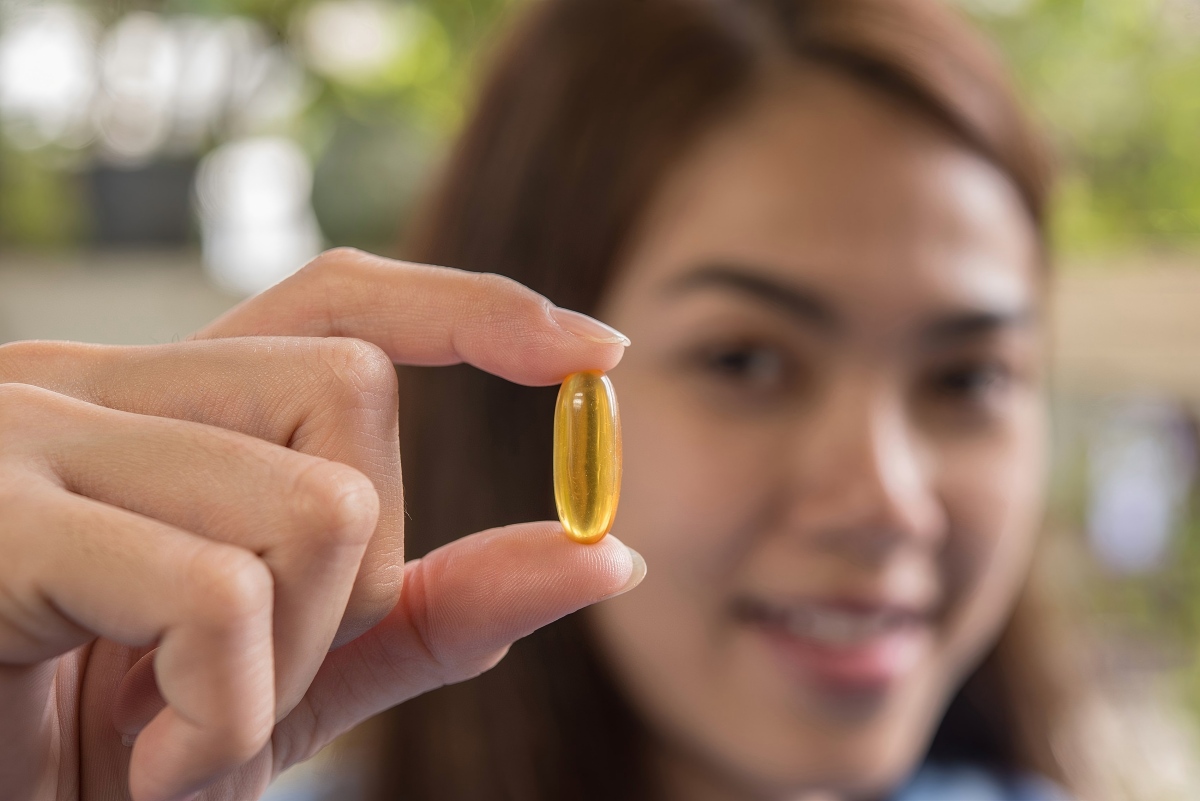

















The simple and direct answer is: there is an optimal time to take it, and it is strongly recommended to take it with meals, ideally a meal containing some fat or immediately after a meal. Avoid taking it on an empty stomach.
Below is a detailed explanation of the scientific principles and specific recommendations:
Why is it best to take it with meals (especially fatty meals)?
Improved Absorption: The core active ingredients in fish oil—Omega-3 fatty acids (EPA and DHA)—are fat-soluble. They require dietary fat as a "carrier" to be absorbed and utilized more effectively by the body. Taking it with meals, especially with foods containing healthy fats (such as eggs, avocados, nuts, and dishes cooked with olive oil), can significantly improve its bioavailability.
Reduced Gastrointestinal Discomfort: Fish oil, especially high-concentration fish oil, may cause stomach upset, nausea, and belching (burps with a fishy smell) for some people. Taking it with meals can greatly alleviate these side effects because food buffers its irritation to the gastric mucosa and slows its passage through the digestive tract.
Specific Recommendations and Different Scenarios
Optimal Time: Take with the heaviest meal of the day, one with a relatively high fat content. For most people, this is usually lunch or dinner. This maximizes absorption and minimizes discomfort.
If you take it multiple times a day (e.g., twice a day): You can take it once with breakfast and once with dinner, making sure to take it with food each time.
Situations to Avoid
Avoid taking it on an empty stomach: Taking it on an empty stomach results in lower absorption efficiency and is more likely to cause stomach upset and a fishy taste from reflux.
Avoid taking large amounts with very high-fiber foods: While the impact is minimal, very high-fiber foods may theoretically slightly interfere with fat absorption, but this is not a major concern with a regular diet.
Other Considerations
If you are taking blood pressure or anticoagulant medications: Fish oil itself has a mild "blood-thinning" (antiplatelet) effect. While it is usually taken with meals, if you have any bleeding disorders or are taking related medications (such as warfarin, aspirin, etc.), be sure to consult your doctor first. They will provide advice on the most suitable overall medication schedule for you.
Pursuing Specific Goals:
For lowering blood lipids: Taking it with a high-fat meal helps it compete with dietary cholesterol for absorption.
For brain health/improved mood: Some people prefer to take it with breakfast in the morning, believing it supports brain function throughout the day. However, as long as the daily intake is maintained, the timing has little impact.
For reducing nighttime inflammation or improving sleep: Some people choose to take it with dinner.
Summary and Final Recommendations
For the vast majority of people, the best way to take fish oil is with lunch or dinner, swallowed with food.
Key Points in Order:
Take it with meals (most crucial).
Choose a meal containing healthy fats (better results).
Maintain regularity, taking it at approximately the same time every day to form a habit.
If you are concerned about the fishy taste or stomach upset, prioritize high-purity, quality-certified fish oil products and refrigerate them.
In short, the principle of "taking it with meals" is more important than worrying about morning or evening. This ensures optimal absorption and makes the process more comfortable.