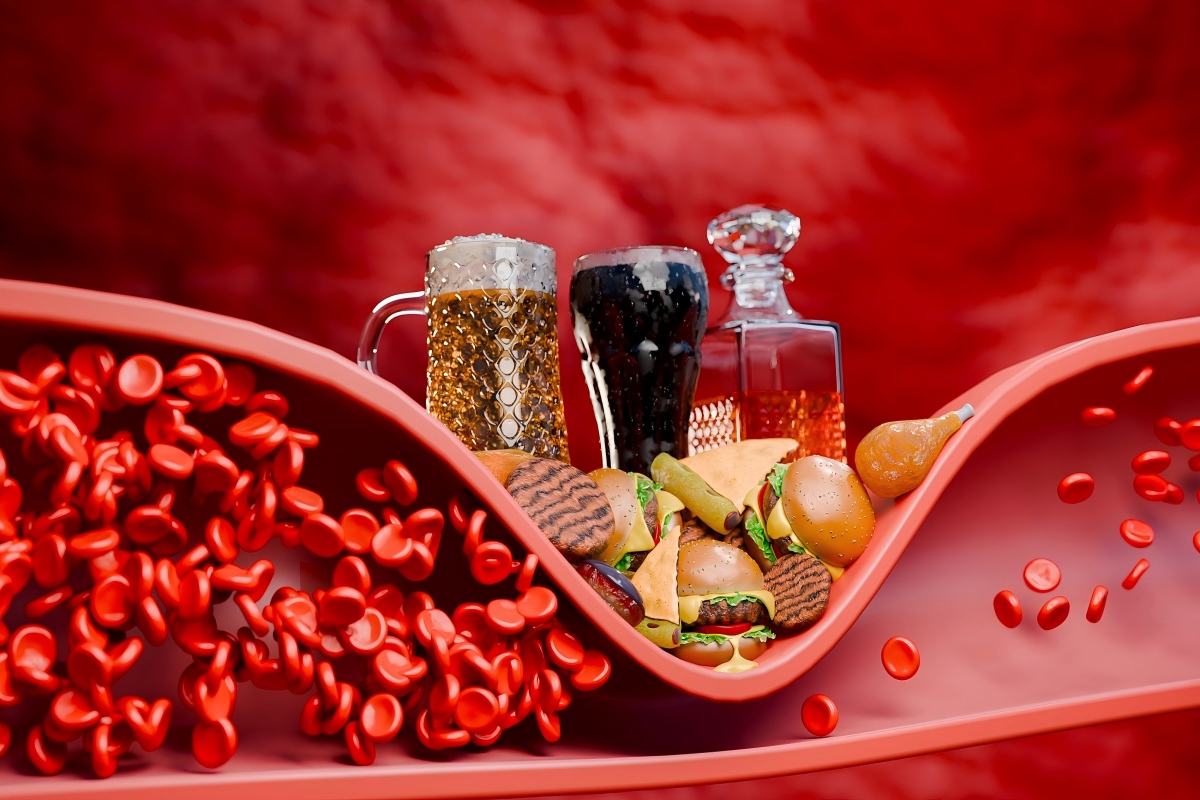
















High-oleic sunflower seed oil is beneficial to heart health, primarily due to its unique fatty acid composition and antioxidant properties. Here's a breakdown of the reasons:
1. Advantages of Fatty Acid Composition
High in Monounsaturated Fatty Acids (MUFA): High-oleic sunflower seed oil contains 70%-90% oleic acid (Omega-9 monounsaturated fatty acid), similar to olive oil. Studies have shown that oleic acid helps to:
Lower "bad cholesterol" (LDL-C): Reduce the deposition of low-density lipoprotein cholesterol on blood vessel walls, lowering the risk of atherosclerosis.
Maintain "good cholesterol" (HDL-C): Has little or no effect on high-density lipoprotein cholesterol, promoting cholesterol metabolism.
Low in Saturated Fatty Acids (SFA): The saturated fatty acid content is typically below 10%, far lower than butter, palm oil, etc., helping to reduce the risk of cardiovascular disease.
Stable Polyunsaturated Fatty Acid (PUFA) Balance: Its low linoleic acid (Omega-6) content (approximately 10%-20%) avoids the inflammatory response that may be triggered by excessive Omega-6 intake (it needs to be balanced with Omega-3 intake).
2. Antioxidant and Anti-inflammatory Effects:
Rich in Vitamin E: Sunflower seed oil is naturally rich in tocopherol (vitamin E), a powerful antioxidant that inhibits lipid peroxidation and protects vascular endothelial cells from oxidative damage.
Phytosterols: Some high-oleic sunflower seed oils retain phytosterols, which can interfere with cholesterol absorption and help lower blood lipids.
3. Stability and Culinary Suitability:
High Smoke Point (typically ≥210℃): Oleic acid has a stable structure and is not easily oxidized and polymerized, making it suitable for high-temperature cooking (such as frying) and reducing the generation of harmful free radicals.
Longer Shelf Life: Compared to ordinary sunflower seed oil (high linoleic acid type), high-oleic acid varieties are more resistant to storage and have stronger oxidative stability.
4. Comparison with Other Cooking Oils
vs. Regular Sunflower Oil: Regular sunflower oil is primarily composed of linoleic acid (Omega-6) (approximately 65%). Excessive intake may promote inflammation, while high-oleic sunflower oil mitigates this issue.
vs. Olive Oil: Both have similar fatty acid compositions, but high-oleic sunflower oil has a higher smoke point, making it more suitable for high-temperature cooking methods like those used in Chinese cuisine, and it is generally more affordable.
5. Supporting Research Evidence
Clinical Trials: Multiple studies have shown that replacing high-saturated fat oils (such as butter and coconut oil) with high-oleic oils can significantly improve blood lipid profiles and reduce the risk of coronary heart disease (American Journal of Clinical Nutrition).
Dietary Guidelines Recommendation: The American Heart Association (AHA) recommends partially replacing saturated fats with high-oleic vegetable oils as part of a heart-healthy diet.
Precautions
Moderate Intake: Although beneficial, oils are high in calories (approximately 120 kcal/tablespoon), so total intake should be controlled.
Dietary diversity: It is recommended to use it in combination with oils rich in Omega-3 (such as flaxseed oil and fish oil) to balance the fatty acid ratio.
Choose cold-pressed unrefined oil: Choose cold-pressed oils whenever possible to retain more nutrients, and avoid hydrogenated or over-refined versions.
Summary
High-oleic sunflower seed oil, with its optimized fatty acid ratio, antioxidant protection, and high stability, is a high-quality edible oil that supports heart health. Incorporating it as part of a balanced diet, replacing some saturated and trans fats, helps maintain long-term cardiovascular health.