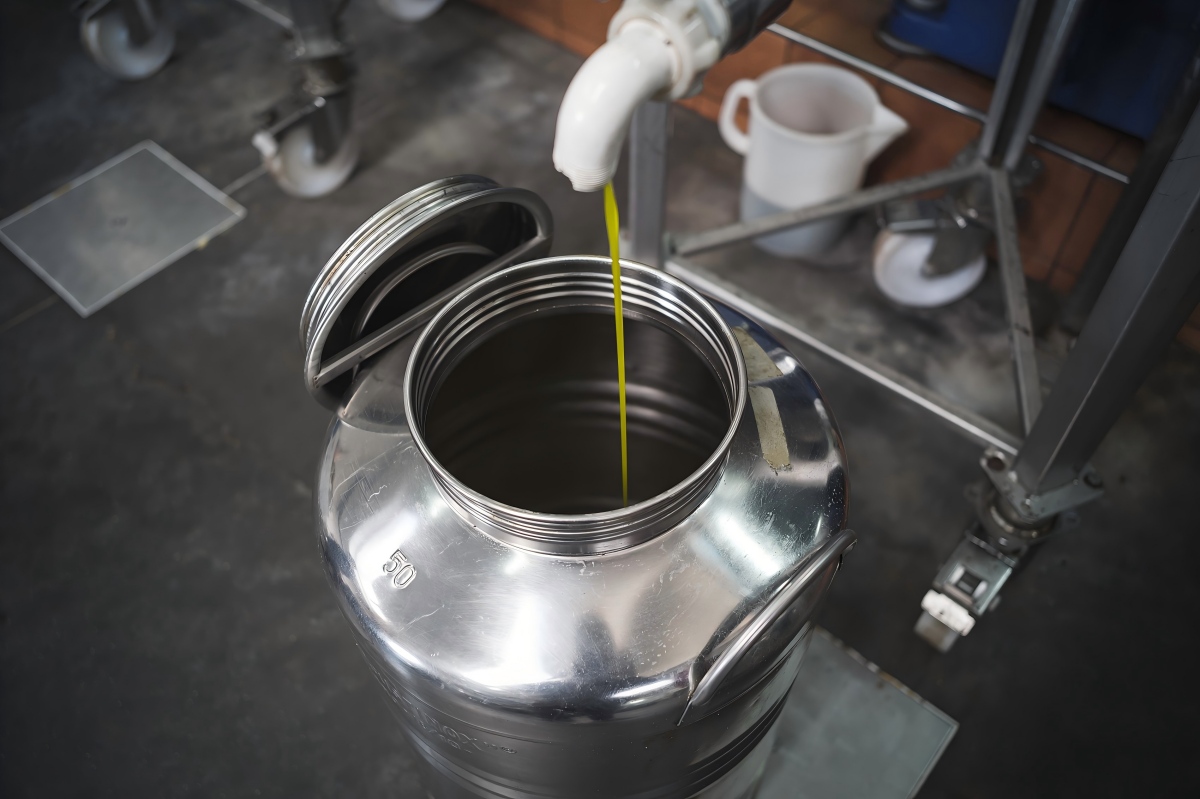

















Đi vào lối đi dầu ăn của siêu thị, bạn chắc chắn sẽ bị lóa mắt bởi hàng loạt nhãn hiệu Rực Rỡ-"ép lạnh", "ép nguyên chất", "tinh chế", "thuần khiết"... Các khiếu nại khác nhau khiến khó bắt đầu. Sự khác biệt giữa dầu ép lạnh và dầu tinh chế là gì? Cái nào khỏe hơn? Cái nào tốt hơn cho nhà bếp của bạn? Bài viết này sẽ giúp bạn phân tích chi tiết sự khác biệt cốt lõi giữa hai loại dầu ăn về công nghệ chế biến, hàm lượng dinh dưỡng, điểm khói, hương vị và thời hạn sử dụng, và giúp bạn lựa chọn khôn ngoan.
Dầu ép lạnh là gì?
Dầu ép lạnh, Như tên cho thấy, là dầu được chiết xuất từ hạt dầu, hạt hoặc trái cây thông qua ép vật lý và cơ khí mà không cần thêm nhiệt trong toàn bộ quá trình. Ép lạnh thường được thực hiện ở nhiệt độDưới 50 °c, Và một số loại dầu ép lạnh chất lượng cao THẬM CHÍ kiểm soát nhiệt độ dưới 40 ° C.
Ép lạnh là một quá trình làm dầu truyền thống đã diễn ra hàng trăm năm. Sau khi làm sạch đơn giản, lột vỏ và xử lý trước khác, dầu được vắt trực tiếp qua thiết bị ép. Dầu thô vắt có ít tạp chất hơn và có giá trị axit thấp. Nói chung, nóKhông yêu cầu tinh chế. Nó có thể trở thành dầu hoàn thiện sau khi mưa và lọc.
Dầu ép lạnh thông thường bao gồm: dầu ô liu nguyên chất, dầu mè ép lạnh, dầu dừa ép lạnh, dầu hạt lanh ép lạnh, dầu đậu phộng ép lạnh, v. v.
Tinh dầu là gì?
Dầu tinh chếLà dầu ăn đã được xử lý thông qua một loạt các quy trình xử lý công nghiệp. Dầu thô có thể thu được bằng cách ép lạnh hoặc chiết xuất bằng cách ép nóng hoặc chiết xuất dung môi. Cho dù dầu thô đến từ đâu, nó phải trải qua nhiều quá trình tinh chế:
Khử mùi:Loại bỏ kẹo cao su và phospholipid từ dầu
Khử axit hóa:Trung hòa các axit béo Tự Do (trung hòa hóa học với xút ăn da, hoặc khử axit hóa vật lý bằng hơi nước)
Depigmentation:Loại bỏ các sắc tố để làm sạch dầu
Khử mùi:Loại bỏ mùi hôi và làm cho mùi dầu trung tính
Trong quá trình tinh chế, dầu được làm nóng đểTrên 200 ° CVà được xử lý bằng hơi nước trong bước khử mùi.
Các loại dầu tinh chế thông thường bao gồm: dầu đậu nành tinh chế, dầu hướng dương tinh chế, dầu hạt cải dầu tinh chế, dầu ngô tinh chế, v. v.
Sự khác biệt cốt lõi giữa dầu ép lạnh và dầu tinh chế
1. sự khác biệt thiết yếu trong công nghệ xử lý
Kích thước tương phản | Dầu ép lạnh | Dầu tinh chế |
Phương pháp chiết | Ép vật lý và cơ học mà không sử dụng dung môi hóa học | Có thể ép hoặc chiết xuất dung môi, cần xử lý hóa chất |
Nhiệt độ xử lý | Dưới 50 °c, xử lý nhiệt độ thấp | Xử lý nhiệt độ cao, từ 200 °c trở lên |
Phụ gia hóa học | Không sử dụng dung môi hóa học và phụ gia | Sử dụng các hóa chất như xút ăn da và dung môi |
Các quá trình tiếp theo | Chỉ cần lắng đọng và lọc | Yêu cầu nhiều quy trình như khử mùi, khử axit, khử màu và khử mùi |
Ép lạnh là mộtQuá Trình Vật lý nhẹ nhàngGiữ lại các thành phần tự nhiên của dầu ở mức độ lớn nhất; trong khi tinh chế làXử lý sâu công nghiệp hóaNhằm tiêu chuẩn hóa dầu, kéo dài thời hạn sử dụng và cải thiện khả năng chịu nhiệt của dầu.
2. khoảng cách lớn về hàm lượng dinh dưỡng
Because they are processed in completely different ways, the nutritional content of the two oils differs significantly.
Cold-pressed oil retains richer natural nutrients:
Vitamin E (Tocopherol)
Phytosterols
polyphenols
carotenoids
Phospholipids
Research shows that cold-pressed oil retains significantly higher levels of unsaturated fatty acids, antioxidants, vitamins, and other bioactive compounds than refined oil. The unsaponifiable matter content in cold-pressed oil is approximately 2.5 times that of refined sesame oil.
Refined oils lose a lot of nutrients during processing. The refining process results in a significant reduction in bioactive substances such as phytosterols and tocopherols. Water-soluble materials and steam volatile materials are removed or reduced during the refining process. However, it is worth noting that refining has no significant impact on the fatty acid composition of oils - that is to say, there is not much difference in the types and proportions of fatty acids between cold-pressed oil and refined oil, and the difference is mainly reflected in micronutrients.
3. The difference in smoke point is huge.
The Điểm khói is the temperature at which cooking oil starts to smoke when heated, and is an important indicator of the heat resistance of oil.
Cold pressed oil has a lower smoke point (usually around 160-190°C). Because unrefined oil retains more natural compounds, these substances tend to break down when heated. For example, cold-pressed virgin olive oil has a smoke point of approximately 190°C.
Refined oil has a higher smoke point (up to over 220-230°C). The refining process removes impurities and heat-sensitive substances from the oil, making the oil more stable. The smoke point of refined soybean oil and peanut oil can be increased from about 160°C of crude oil to over 230°C.
Chỉ cần đặt:the higher the degree of refining, the higher the smoke point; the higher the degree of cold pressing, the lower the smoke point.
4. Sharp contrast between flavor and appearance
Cold-pressed oil retains the natural flavor and color of the oil itself. Depending on the ingredients, the color of cold-pressed oil can range from pale yellow to dark green, orange-red or even brown, and the smell and taste can range from mild to very strong.
Dầu tinh chế has a uniform light yellow color and a very neutral odor and taste. This is because the decolorization and deodorization processes during the refining process remove the original pigments and flavor substances of the oil.
5. Differences in shelf life and oxidative stability
Cold pressed oil has a shorter shelf life. Cold-pressed oils are more susceptible to oxidative rancidity because they retain more natural ingredients and are not refined. Cold-pressed oil has lower oxidation stability in the Rancimat test (5.08 hours) than refined oil. The peroxide value and acid value, two indicators that reflect the degree of oxidation of oil, are almost five times higher in cold-pressed oil than in refined oil.
Refined oil has a longer shelf life. The refining process removes impurities and trace ingredients that promote oxidation, making the oil more stable and more shelf-stable.
6. Differences in price and output
Cold-pressed oil has a lower oil yield and higher production costs, so cold-pressed oil is usually more expensive. Refined oil has high oil yield, low production cost and more affordable price, making it the daily choice of most families.
How to choose: cold pressed oil or refined oil?
Which oil you choose depends on your cooking stylevà health needs.
Suitable situations for using cold pressed oil:
Cold salad: Cold-pressed oil has a rich natural flavor and can enhance the taste of the dish.
Low-temperature cooking: stir-fry over low heat, cook over low heat
Eat directly: drizzle over cooked meals, dip into bread
Pursuing maximum nutritional retention: wishing to consume more natural antioxidants and vitamins
Cold pressed oil is not suitable for high temperature frying. When the oil temperature exceeds the smoke point, the chemical composition of the oil will change, which not only destroys nutrients but may also produce harmful substances.
Suitable situations for using refined oil:
High-temperature cooking: frying, frying, grilling
Daily stir-fry: Home-style quick stir-fry requires a certain degree of heat resistance
Baking: Pastry making requires high-temperature resistant fats
Pursuing cost-effectiveness: Refined oil is more affordable and suitable for daily use in large quantities
It should be noted that no one oil is suitable for all cooking needs. The best strategy is to choose different oils for different cooking methods—cold-pressed oils for cold dishes and refined oils for high-temperature cooking.
Làm rõ những hiểu lầm phổ biến
Myth 1: Cold-pressed oil must be healthier than refined oil
Not exactly. Cold-pressed oils do retain more micronutrients, but the overall health value of the oil also depends on the fatty acid profile. Cold-pressed coconut oil, while unrefined, is still high in saturated fat, while refined canola or sunflower oil may have a more favorable ratio of unsaturated fatty acids. The composition of the fatty acids is more important than the “refined or not” label.
Myth 2: Refined oil contains harmful chemicals
Refined edible oil produced by regular manufacturers is subject to strict food safety supervision, and refined edible oil is safe and edible. Although the refining process removes some nutrients, it also removes undesirable ingredients that may affect shelf life and taste.
Myth 3: Cold-pressed oil cannot be heated at all
Cold-pressed oils can be used for low- to medium-heat cooking, just not for high-temperature frying. Good quality cold-pressed virgin olive oil can even be used for cooking and frying. The key is to control the oil temperature and not exceed the smoke point of the oil.
Tóm tắt
Cold-pressed oil and refined oil each have their own advantages and disadvantages, and there is no absolute "good" or "bad":
Cold-pressed oil: Mild process, rich in nutrients, rich in flavor, but with low smoke point, short shelf life and high price - suitable for cold dressing and low-temperature cooking
Refined oil: mature technology, high smoke point, long shelf life, affordable price, but high nutritional loss, neutral flavor - suitable for high-temperature cooking
The rational choice is to use two types of oils according to different cooking needs: cold-pressed oil for cold and low-temperature cooking to obtain more nutrients, and refined oil for frying and high-temperature cooking to ensure safety and stability. Both qualities have pros and cons, and choosing the best oil based on the product and intended use is the smartest thing to do.