
















MCT oil (medium chain triglyceride oil) has attracted much attention in health circles, ketogenic diet groups and fitness enthusiasts in recent years. Whether you are looking for quick energy supply, supporting ketosis, or improving mental performance, MCTs have become an important choice for many people’s daily supplements.
However, as the market matures, MCT products have also differentiated into two mainstream forms: traditional liquid MCT oil and emerging MCT oil powder (MCT powder). When you are shopping, an unavoidable question arises: MCT oil powder vs. MCT oil, which one is more convenient?
This article will break down the pros and cons of the two forms in detail from multiple dimensions such as portability, usage scenarios, digestion experience, purity and cost, and help you make the choice that best suits your lifestyle.
1. What is MCT oil? What is MCT oil powder?
Before comparing, let's take a quick look at the essential differences between the two.
MCT oil is a liquid oil obtained by separation and distillation of medium-chain fatty acids (mainly C8 caprylic acid and C10 capric acid) extracted from coconut oil or palm kernel oil. Its MCT purity is usually as high as over 95%, and it is a colorless, odorless, highly fluid oily liquid.
MCT oil powder is a powdered product made by wrapping liquid MCT oil on carrier powder (such as acacia fiber or cassava fiber) through spray drying technology. The MCT content of MCT oil powder is usually between 50% and 80%, with the remaining components being carrier fibers.
2. Portability comparison: Who is more suitable to carry around?
This is probably the most intuitive embodiment of the word "convenience".
MCT oil – portability has limitations
The biggest pain point of liquid MCT oil is the inconvenience of carrying it. Not only are oils in glass or plastic bottles not lightweight, they also pose a risk of leakage. If the bottle cap is not tightened tightly or is squeezed and broken when placed in the bag, the result will be that the entire bag will be soaked with oil. Although there are small travel-size bottles of MCT oil on the market, overall, liquid oil is not worry-free enough when it comes to "taking it out".
MCT oil powder - perfect for portability
MCT oil powder has obvious advantages in portability. It is lightweight and small enough to be carried around in a sealed bag or portable jar. What's even more considerate is that many brands have launched independent packaging (small strip bags) for single use. You can put a few bags in your bag when going on a business trip, traveling, or going to work, and they don't take up any space at all.
Conclusion: In terms of portability, MCT oil powder clearly wins.
3. Comparison of usage scenarios: brewing, cooking and daily life
MCT oil – a grease that requires “skill”
There are several things you need to pay attention to when using liquid MCT oil:
It is easy to separate in cold drinks: MCT oil will float on the surface and form an oil film when poured into iced coffee or cold water. The taste and visual appearance are not ideal.
Not suitable for high-temperature cooking: MCT oil has a low smoke point (under about 350°F/175°C) and is not suitable for high-temperature cooking such as frying and frying.
Requires stirring or emulsification: In order to mix evenly, a blender or shaker cup is often required.
Of course, MCT oil also has its advantages - it is tasteless and odorless, and can be easily added to hot coffee, hot tea, salad dressings and other foods without changing the flavor.
MCT oil powder - ready to dissolve and drink, "fool-like" operation
MCT oil powder is even better in terms of ease of use:
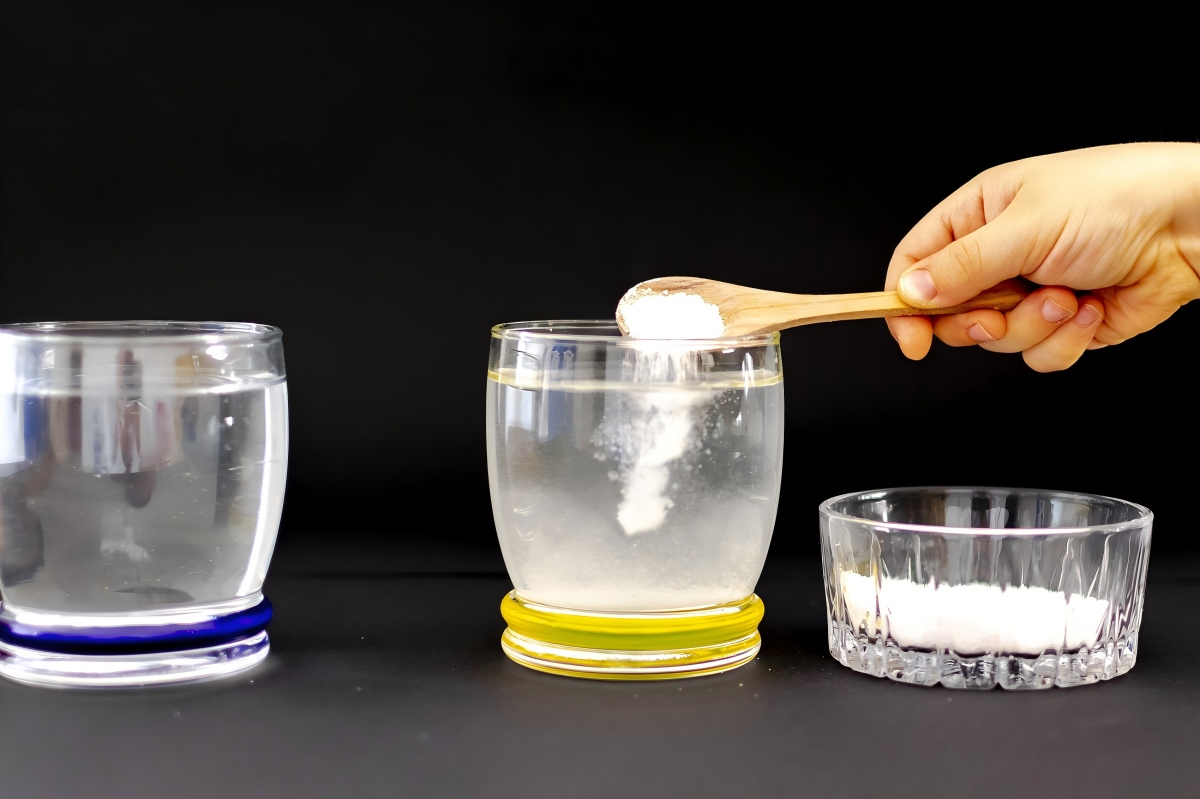
Dissolves both hot and cold: Whether it is hot coffee, iced coffee, cold water or smoothies, MCT oil powder can quickly dissolve and form a uniform milky white liquid without floating oil.
Wet and dry use: It can be directly added to dry powder products (such as protein powder, meal replacement powder) and mixed without adjusting the liquid ratio.
The taste is creamier: MCT oil powder has a smooth and dense taste after brewing, giving it a creamy texture like creamer, rather than a greasy feeling.
Baking-friendly: It can be mixed directly with dry ingredients during baking and is easy to operate.
Conclusion: In terms of daily use convenience, MCT oil powder is also superior.
4. Comparison of digestive experience: Who has a more friendly stomach?
This is a dimension that many people overlook but is crucial when choosing.
MCT oil – may cause gastrointestinal upset
Liquid MCT oil is absorbed by the body extremely quickly - reaching the liver in about 30 minutes after ingestion and peaking in blood ketones in 60-90 minutes. Although this kind of "direct-feed" rapid energy supply is efficient, it also means a greater impact on the gastrointestinal tract.
Many people who use MCT oil for the first time will experience side effects such as diarrhea, nausea, and stomach discomfort. Therefore, professional advice is to start with 1 teaspoon (about 5ml) each time, let the body gradually adapt, and then slowly increase to the regular dosage of 1 tablespoon (about 15ml).
MCT oil powder – a gentler digestive experience
Because MCT oil powder is wrapped in carrier fiber, the release rate is relatively slow and will not "go straight to the liver" like liquid oil. This sustained-release property makes MCT oil powder gentler on the gastrointestinal tract. Many people who are intolerant to liquid MCT oil find that their gastrointestinal discomfort is significantly reduced after switching to MCT oil powder.
Conclusion: If you have a sensitive stomach, MCT oil powder is a more friendly choice.
5. Comparison between purity and concentration: Who is more “pure”?
MCT oil – the king of purity
The advantage of liquid MCT oil is its purity. Its MCT content is as high as 95%-99% without any carriers or fillers. Every scoop is real MCT, with the highest energy supply efficiency.
MCT oil powder - has "diluted" ingredients
Because MCT oil powder contains carrier fibers (such as gum arabic, cassava fiber, etc.), the MCT content is usually between 50% and 80%. This means that to achieve the same MCT intake as liquid oil, more powder needs to be consumed.
In addition, some low-quality MCT oil powder may have cheap fillers, sweeteners or maltodextrin added. These ingredients not only dilute the effective content of MCT, but may even affect the ketogenic state. When purchasing, be sure to read the ingredient list carefully and choose products with simple ingredients and clearly marked C8/C10 content.
Conclusion: Choose MCT oil when pursuing purity; be sure to pay attention to the ingredient label when choosing MCT oil powder.
6. Comparison of cost and shelf life
Cost
Liquid MCT oil is generally more affordable than powdered MCT oil. Because the powder form has an additional spray drying process, the production cost is higher, and the terminal selling price also increases accordingly.
Shelf life and storage
Liquid MCT oil has higher requirements for storage conditions - it needs to be stored away from light and heat, otherwise there is a risk of oxidative rancidity. Since the oil is wrapped in the carrier, MCT oil powder has better oxidation stability, longer shelf life, and more convenient storage.
Conclusion: Liquid oil is superior in terms of cost; powder is superior in terms of storage convenience.
7. MCT Oil Powder vs MCT Oil: The Ultimate Comparison Chart
Contrast Dimensions | MCT oil powder | Liquid MCT Oil |
Portability | ★★★★★ Lightweight, no leakage, can be individually packaged | ★★☆☆☆ Heavy weight, risk of leakage |
Solubility | ★★★★★ Melts both hot and cold, no oily flowers | ★★★☆☆ Cold drinks are easy to separate and need to be stirred |
Gastrointestinal friendliness | ★★★★★ Sustained release and mild | ★★☆☆☆ May cause diarrhea and other discomforts |
MCT purity | ★★★☆☆ 50%-80% | ★★★★★ 95%-99% |
Cost | ★★★☆☆ Higher unit price | ★★★★★ More cost-effective |
Shelf life | ★★★★★ Good oxidation stability | ★★★☆☆ Need to be stored away from light and heat |
8. How to choose? Decide based on your lifestyle
Choose MCT oil powder if:
Do you often go on business trips or travel or need to supplement MCTs outside?
You want it brewed anytime, anywhere – whether it’s hot coffee or iced drinks
Your stomach and intestines are sensitive to liquid MCT oil
Do you like the creamy taste and smooth texture?
You don't care about the slightly higher cost and slightly lower MCT concentration
Choose liquid MCT oil if:
You mainly use it at home and don’t need to carry it with you
You pursue the highest MCT purity and the strongest energy supply efficiency
You want to maximize value for money
Your stomach tolerates liquid MCT oil well
You mainly use it for hot drinks or cooking (non-high temperature)
Summary: Which one is more convenient?
Back to the original question - MCT oil powder vs MCT oil, which one is more convenient?
The answer is: it depends on what your definition of "convenient" is.
If you are asking about taking it with you, brewing it at any time, and enjoying it at any time, then MCT oil powder is undoubtedly more convenient. Lightweight, non-leakable, soluble in both hot and cold, and individually packaged - these characteristics make MCT oil powder an excellent companion for "on-the-go life".
But if you are asking about the purest, most economical, and most efficient way to ingest MCT, then liquid MCT oil still has irreplaceable advantages.
Perhaps the best strategy is to keep a bottle of liquid MCT oil at home for daily brewing, and a few packages of MCT oil powder in your bag for emergencies when going out. Both forms have their own advantages, and a reasonable combination can truly integrate MCT into your lifestyle.