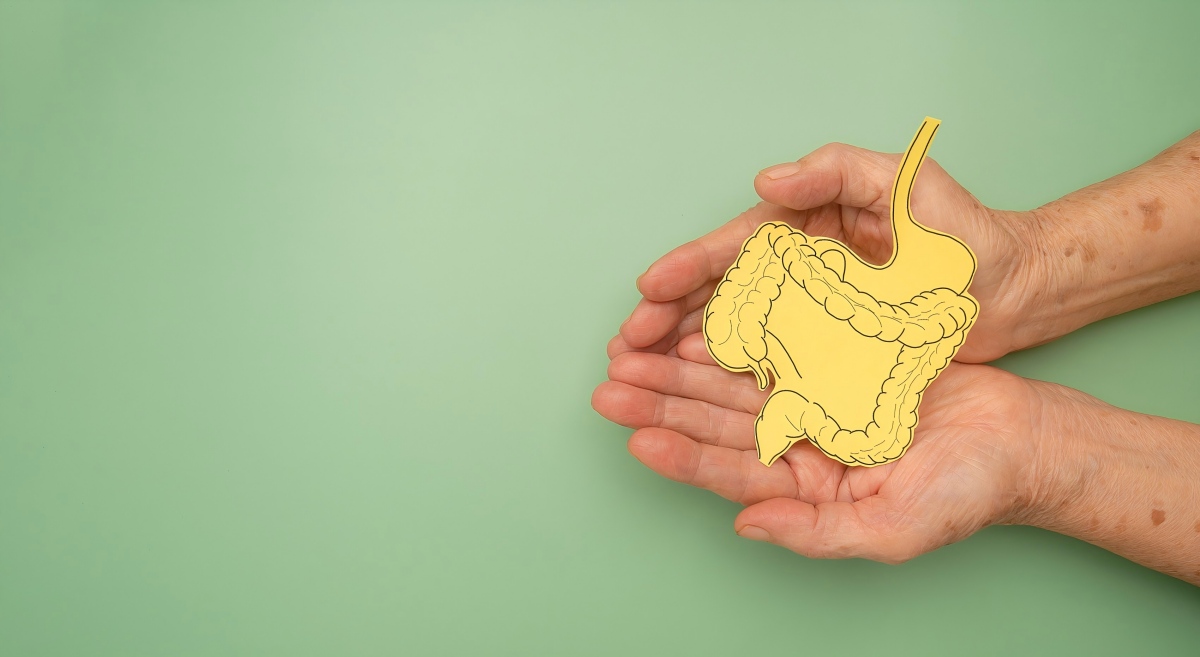

















Why do older people need to pay more attention to their intestinal flora?
The human gut is home to trillions of microorganisms that play key roles in digestion, immunity and even mood regulation. However, due to factors such as reduced gastric acid secretion, slower intestinal peristalsis, and commonly used drugs (such as antibiotics, proton pump inhibitors), the number of beneficial bacteria in the intestines of the elderly will decrease significantly, while harmful bacteria may overproduce. This imbalance can cause a series of problems such as constipation, diarrhea, reduced immunity, and chronic inflammation. Therefore, probiotic supplementation for the elderly has become an important strategy to maintain intestinal ecological balance.
7 special benefits of probiotic supplementation for the elderly
1. Improve chronic constipation and restore regular bowel movements
Constipation is one of the most common digestive distress among older adults. Probiotics can increase intestinal osmotic pressure and soften stool by producing short-chain fatty acids; at the same time, they stimulate intestinal nerves and promote colon peristalsis. Clinical studies have shown that supplementing probiotic preparations containing bifidobacteria and lactobacilli can significantly increase the frequency of defecation in the elderly and reduce the feeling of laborious defecation. The effect of probiotics in improving constipation is milder and less dependent than laxatives.
2. Enhance immunity and reduce the risk of infection
The intestine is the largest immune organ in the human body. Decreased immune function (immunosenescence) in the elderly makes them more susceptible to respiratory infections, urinary tract infections, etc. Probiotics can activate macrophages and natural killer cells and increase the production of secretory immunoglobulin A (sIgA). A randomized controlled trial of elderly people in nursing homes found that taking probiotics for six months reduced the incidence of colds and flu by more than 30%. Therefore, enhancing immunity for the elderly is one of the core values of probiotics.
3. Reduce chronic low-grade inflammation and delay aging-related diseases
The elderly are often in a state of "inflammatory aging", that is, the levels of pro-inflammatory cytokines (such as IL-6, TNF-α) in the body are slightly elevated. This chronic inflammation is closely related to atherosclerosis, type 2 diabetes, Alzheimer's disease, etc. Certain probiotic strains (such as Lactobacillus plantarum and Lactobacillus rhamnosus) can modulate intestinal barrier function and reduce the entry of endotoxins into the bloodstream, thereby reducing systemic inflammation levels. The role of probiotics in reducing inflammation provides new ideas for preventing chronic diseases in the elderly.
4. Improve nutrient absorption and prevent osteoporosis and anemia
The elderly have insufficient secretion of gastric acid and digestive enzymes, which often affects the absorption of minerals such as calcium, iron, and zinc. Probiotics help release minerals chelated in phytic acid by lowering intestinal pH and secreting certain enzymes (such as phytase). In particular, some lactic acid-producing probiotics can convert insoluble calcium into soluble calcium, thereby increasing the absorption rate of calcium. In addition, some probiotics can also synthesize vitamin K2 and guide calcium deposition into bones rather than blood vessels, which has positive significance for improving nutrient absorption and preventing fractures.
5. Ease lactose intolerance and enjoy dairy products safely
Many elderly people suffer from abdominal bloating and diarrhea after drinking milk due to reduced lactase activity. Probiotics containing Lactobacillus or Bifidobacterium can secrete beta-galactosidase, which helps break down lactose. Regular supplementation of lactose intolerance-specific probiotics for the elderly can significantly reduce symptoms when the elderly consume moderate amounts of yogurt or milk, thereby obtaining the protein and calcium in dairy products.
6. Assists in regulating blood sugar and blood lipids, and protects cardiovascular health
Intestinal flora metabolites such as short-chain fatty acids, bile acids, etc. are closely related to glucose and lipid metabolism. Several human trials have shown that supplementation with specific probiotics (e.g., Lactobacillus gasseri, Bifidobacterium longum) can mildly reduce fasting blood glucose, total cholesterol, and LDL cholesterol. Although probiotics cannot replace antidiabetic or lipid-lowering drugs, as an auxiliary measure, they have additional benefits for elderly patients with diabetes and hyperlipidemia.
7. Reduce antibiotic-related diarrhea and protect intestinal microecology
The elderly frequently use antibiotics due to infections. While antibiotics kill pathogenic bacteria, they also indiscriminately attack beneficial intestinal bacteria, leading to diarrhea and even Clostridium difficile infection. Taking probiotics at the same time (2-3 hours apart from antibiotics) can effectively reduce the incidence of antibiotic-related diarrhea. This effect is supported by multiple meta-analyses and is the most positive of probiotic-drug interactions.
How to choose the right probiotics for the elderly?
Not all probiotics are suitable for the elderly. Please pay attention to the following points:
Multiple strains are better than single strains: Choose products that contain Bifidobacterium (e.g., Bifidobacterium longum, Bifidobacterium infantis) and Lactobacillus (e.g., Lactobacillus rhamnosus, Lactobacillus plantarum).
The number of viable bacteria is sufficient: each dose is recommended to be between 5 billion and 20 billion CFU.
Backed by clinical studies: Check the product label to see if it has been tested in "older adults."
Pay attention to excipients: avoid high sugar, artificial flavors or allergens (for example, those who are intolerant to whey protein need to choose dairy-free formula).
Consult your doctor: For older adults with immune deficiencies, serious underlying medical conditions, or those taking immunosuppressants, be sure to consult your doctor before supplementing.
FAQ
Q: How long does it take for probiotics to take effect?
Answer: It usually takes 1 to 2 weeks to improve digestive symptoms such as constipation; the immune regulation and anti-inflammatory effects may require continuous use for 1 to 3 months.
Q: Can yogurt replace probiotic supplements?
Answer: The number and strains of live bacteria in commercially available yogurt lack standardization, and the sugar content is high, so it is not recommended as the main supplement source. Supplements are more reliable.
Question: How to take probiotics and antibiotics together?
Answer: It is recommended to take at least 2 hours apart and continue taking probiotics for 1 to 2 weeks to rebuild the intestinal flora.
Summary
Probiotic supplementation for the elderly is by no means a gimmick, but a health intervention based on solid scientific evidence. From intestinal health in the elderly to enhancing immunity in the elderly, from probiotics improving constipation to probiotics reducing inflammation, to improving nutrient absorption, alleviating lactose intolerance in the elderly, and assisting in the management of interactions between probiotics and drugs, these special benefits together constitute a new dimension of health management for the elderly. It is recommended that children or caregivers reasonably choose high-quality probiotic products based on the specific conditions of their elders, and combine them with a diet rich in dietary fiber (such as whole grains, beans, vegetables) to achieve the best results.