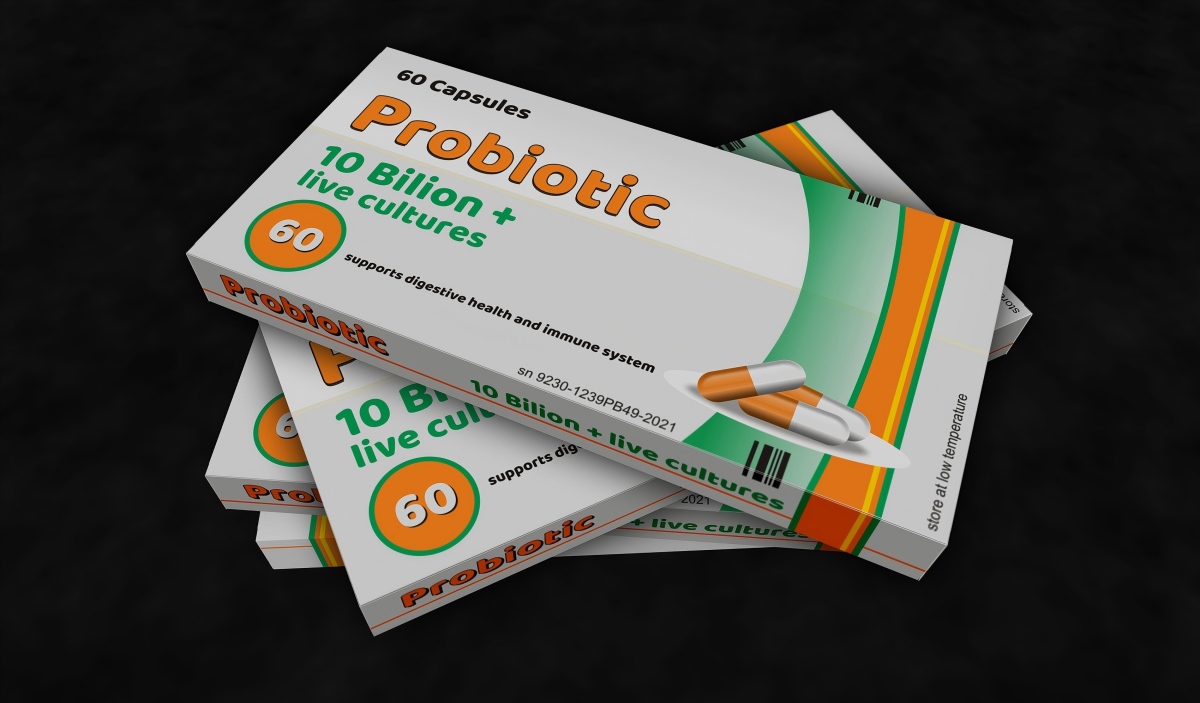

















When choosing probiotic products, many consumers will fall into a confusion: What is the difference between probiotics that cost dozens of dollars in supermarkets and probiotics that cost hundreds of dollars in pharmacies and e-commerce platforms? The more expensive the price, the better the effect? This article will break down the real differences between probiotics at different price points for you and help you consume them scientifically without paying the "IQ tax".
1. Dozens of probiotics vs. hundreds of probiotics: What is the core difference?
1. Strain and strain: number determines “identity”
Dozens of products: often only labeled with broad category names such as "lactobacilli" and "bifidobacteria", without providing specific strain numbers (such as LGG, BB-12, etc.). The efficacy and safety of probiotics without strain numbers have not been verified, and they may be just ordinary fermenting bacteria that cannot colonize the intestines.
Hundreds of products: clearly marked with strain numbers, such as "Lactobacillus rhamnosus HN001" and "Bifidobacterium lactis Bi-07". Each number represents a specific strain that has been validated in clinical studies and has clear data to support different health problems (such as allergies, constipation, immune modulation).
2. Number of viable bacteria and quality preservation technology
Dozens of products: The claim may be that the number of viable bacteria is very high (for example, 50 billion CFU), but it is not stated whether it can withstand gastric acid and bile. Cheap products mostly use ordinary freeze-dried powder without protection technology, and the survival rate of reaching the intestinal tract may be less than 5%.
Hundreds of products: using patented technologies such as multi-layer embedding, microcapsulation, freeze-drying, etc. to ensure the survival rate of live bacteria in the gastric acid environment (some can reach more than 80%). At the same time, it will be marked with "number of viable bacteria during the shelf life" instead of "number of viable bacteria at the time of shipment".
3. Ingredient list and additives
Dozens of products: Common ingredients include a large amount of maltodextrin, glucose, flavors, silicon dioxide and other fillers, and the probiotic content is very low. The actual proportion of probiotics in some "probiotic solid drinks" is less than 10%.
Hundreds of products: The ingredient list is clean, prebiotics (such as fructooligosaccharides and inulin) may be added for synergy, and it does not contain artificial colors or preservatives. Some will also add vitamins and minerals as functional enhancement ingredients.
4. Clinical verification and third-party testing
Dozens of products: almost no clinical research papers have been published, and there are no third-party testing reports. Many are produced by OEMs with general formulas.
Hundreds of products: backed by a scientific research team, the product formula has undergone human clinical trials, and the products are regularly sent to SGS, Intertek and other institutions for inspection, and viable bacteria count test reports are issued.
2. The "hidden cost" behind the price: Did you really just buy the bacteria powder?
Contrast Dimensions | Probiotics for tens of dollars | Probiotics for a few hundred dollars |
Strain source | Undisclosed or common commercial strains | Strain certified by the International Culture Collection Center |
Packaging technology | Ordinary aluminum foil bags or plastic bottles are easily inactivated by moisture. | Double aluminum packaging, nitrogen filling, light-proof bottle + desiccant |
Cold chain requirements | Shipping at room temperature but no guarantee of activity | Some parts require refrigeration to ensure full activity |
After-sale guarantee | Basically no customer service or professional guidance | Provide nutritionist consultation and invalid refund services |
Scenario 1: Daily health care, no obvious gastrointestinal problems
You can choose brands with mid-range prices (100-200 yuan/monthly dosage). Pay attention to products with strain numbers, viable bacteria counts of no less than 5 billion CFU/serving, and added prebiotics. There is no need to blindly pursue the most expensive.
Scenario 2: Recovery after antibiotics, stubborn constipation, allergies
It is recommended to buy clinically proven professional brands (usually with higher prices, more than 300 yuan/month). This type of product has highly targeted strains (for example, Bifidobacterium lactis BB-12 is effective for constipation, Lactobacillus rhamnosus LGG can reduce the risk of antibiotic diarrhea), and has a sufficient number of viable bacteria and a high survival rate.
Scenario 3: Give to infants or immunocompromised people
Don't be cheap. Probiotics for infants and young children must be strains approved by the National Health and Family Planning Commission (such as Bifidobacterium animalis Bb-12, Lactobacillus rhamnosus LGG, etc.) and do not contain allergens. It is almost impossible for a product worth tens of dollars to meet this standard.
4. Summary: More expensive is not better, but “excessively cheap” must have traps
Price is not the only criterion: the marketing expenses of some products with a few hundred yuan are too high, and the actual strain configuration is not essentially different from the one hundred yuan level. It is recommended to learn to look at the four core indicators of strain number, number of viable bacteria (within the shelf life), embedding technology, and number of clinical trials.
Tips to avoid pitfalls: Don’t buy without a serial number, buy with caution if you don’t have survival technology, most of the products with explosive sales and less than 50 yuan/box are “placebo” products.
Recommended cost-effectiveness range: For general gastrointestinal conditioning for adults, qualified products can be purchased at a daily cost of 3-8 dollars (equivalent to a monthly cost of 90-240 dollars); higher prices will be considered when special functions are required.
Finally, remember: probiotics are not medicines, and it takes 4-8 weeks to see stable improvement. If a certain probiotic that costs tens of dollars advertises “results in three days,” you should be wary of illegally added laxatives or antidiarrheal ingredients.
Rational consumption starts with understanding labels. When choosing probiotics, spend an extra 5 minutes checking the strain number, which is far more important than simply comparing the price.