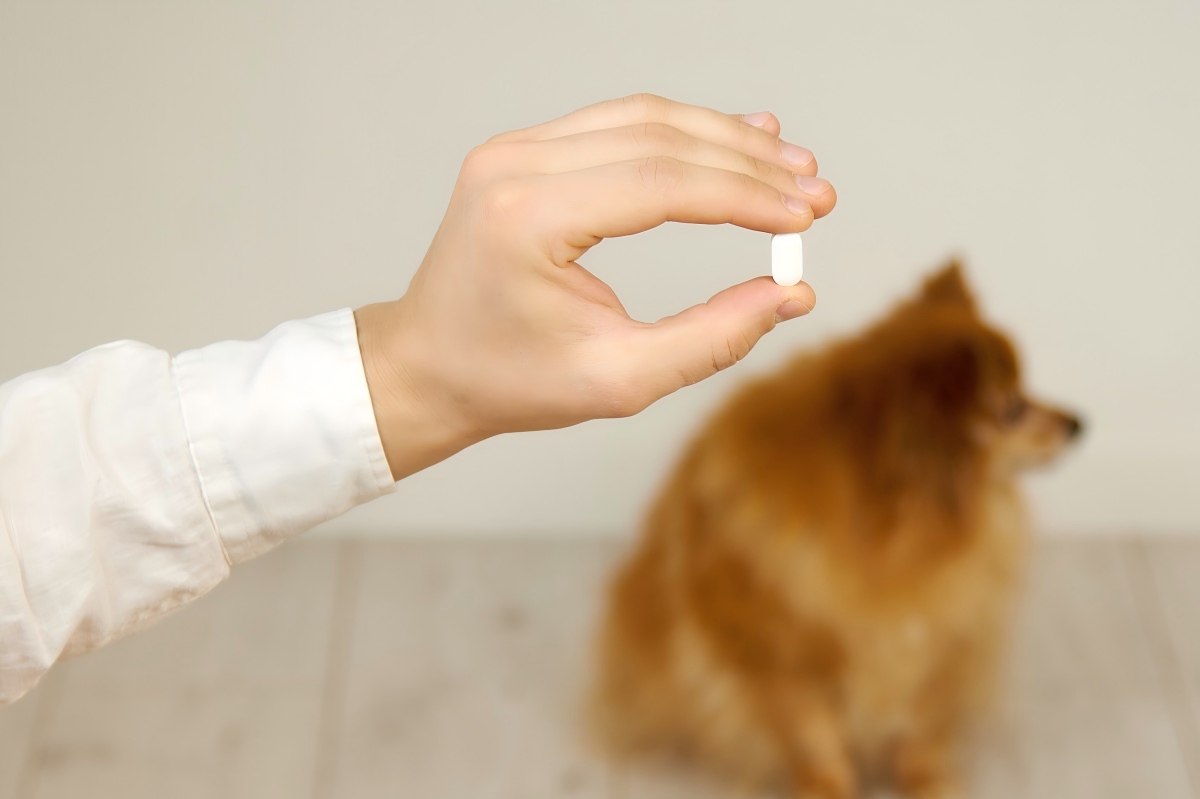

















When dogs and cats receive antibiotic treatment for bacterial infections, many pet owners will find that their pets have diarrhea, loss of appetite, or lack of energy. This is no coincidence - while antibiotics kill harmful bacteria, they also disrupt the beneficial flora in the intestines, leading to antibiotic-induced diarrhea. So, can pet probiotics help repair this damage? This article combines the perspectives of veterinary medicine and microecology to explain it in detail for you.
Why do antibiotics cause diarrhea in dogs and cats?
Antibiotics cannot differentiate between "bad" and "good" bacteria. When cats or dogs take medication, beneficial bacteria such as Bifidobacterium and Lactobacillus in the intestines are greatly reduced, and opportunistic pathogenic bacteria such as Clostridium and Salmonella may overproduce. This imbalance of gut flora can cause the following problems:
Decreased digestive capacity, unabsorbed fermentation products irritate the intestinal wall
Impaired intestinal barrier function, allowing toxins to enter the bloodstream
The absorption of water and electrolytes is blocked, resulting in watery stools
This is the core mechanism of antibiotic-associated diarrhea (AAD).
Three major repair functions of pet probiotics
Multiple animal medical studies have shown that targeted supplementation of pet probiotics can alleviate antibiotic-induced diarrhea from the following three levels:
1. Restore the balance of intestinal flora
High-quality probiotics (such as Enterococcus faecium, Lactobacillus acidophilus, and Saccharomyces boulardii) can directly supplement the beneficial bacteria inhibited by antibiotics. They quickly restore the balance of intestinal flora by competitively inhibiting the attachment of pathogenic bacteria to the intestinal surface. A study on dogs showed that the number of beneficial bacteria in the intestines of individuals who took probiotics was four times higher on the third day after antibiotic treatment than those who did not take antibiotics.
2. Repair intestinal mucosal barrier
Antibiotics may cause a decrease in tight junction proteins in intestinal epithelial cells, resulting in "leaky gut." Short-chain fatty acids (butyric acid, propionic acid) produced by the metabolism of pet probiotics are the main energy source for intestinal cells. They can promote mucosal repair, thicken the mucus layer, and physically prevent pathogens from penetrating the intestinal wall. This directly reflects the core value of intestinal repair for dogs and cats.
3. Regulate local immune response
Probiotics interact with gut-associated lymphoid tissue (GALT) to reduce the excessive release of inflammatory factors (such as TNF-α, IL-6) and increase anti-inflammatory factors (IL-10). This immunomodulatory effect can alleviate inflammatory diarrhea secondary to antibiotics and shorten the course of the disease.
How to choose truly effective pet probiotics?
Not all probiotics are suitable for dogs and cats. Please follow these guidelines:
The strain is clear: Choose products with a strain number (such as Lactobacillus acidophilus LA-14) marked on the package and avoid simply writing "mixed probiotics."
Activity guarantee: Check the number of viable bacteria (CFU). It is recommended that dogs ≥ 500 million CFU/day and cats ≥ 100 million CFU/day. Strains that are resistant to gastric acid and bile are better.
For antibiotic scenarios: Saccharomyces boulardii has a specific effect on antibiotic-associated diarrhea and will not be killed by antibiotics.
Dosage form preference: Powders are generally easier to take than chewable tablets and can be the preferred form of probiotic supplementation for cats and dogs.
Correct use: interval with antibiotics is key
Important: Probiotics should not be given at the same time as antibiotics. There needs to be an interval of 2-3 hours between the two, otherwise the probiotics will also be killed by the antibiotics.
Recommended process:
2 hours after taking the antibiotics, feed the pet probiotics separately.
Continue using probiotics for at least 5-7 days, even after diarrhea symptoms have subsided (it takes time for the gut flora to completely rebuild).
If diarrhea is accompanied by vomiting, bloody stools, or dehydration, consult your veterinarian immediately—probiotics can be used as an adjunct, but not as a substitute for professional treatment of acute enteritis.
Evidence-based data: How effective are probiotics?
A randomized controlled trial (n=42 dogs with diarrhea after antibiotic treatment) published in the Journal of Veterinary Internal Medicine in 2021 showed:
Average duration of diarrhea in the probiotic group (daily complex lactic acid bacteria): 3.2 days
Average duration of diarrhea in the placebo group: 5.1 days
37% shorter time to return to normal stool scores
Another study on cats also showed that cats using a combination of probiotics + prebiotics (synbiotics) regained weight faster after antibiotic treatment and reduced the rate of soft stools by 52%.
Common misunderstandings clarified
Misunderstanding 1: "Stop taking the medicine if you have diarrhea"? You should not stop taking antibiotics prescribed by your doctor as this may lead to bacterial resistance.
Myth 2: “Yoghurt can replace probiotics”? The amount of viable bacteria in yogurt is too low, and lactose may aggravate diarrhea in some cats and dogs.
Myth 3: “Probiotics cure all diseases”? For diarrhea caused by viral enteritis (such as parvovirus) or parasites, probiotics are only used as an adjunct.
Conclusion: Probiotics are the “standard” rather than “optional” for intestinal repair after antibiotics
Based on the existing evidence, pet probiotics have a clear beneficial effect on alleviating and repairing antibiotic-induced diarrhea in dogs and cats. It not only shortens the duration of diarrhea, but also promotes the restoration of intestinal barrier and flora balance. But please note: choosing the right strain, spacing out antibiotics, and cooperating with veterinary diagnosis will maximize the effect.
If your furry child is about to start or has just finished antibiotic treatment, add pet probiotics to your care list—it may be the simplest and most effective investment you can make to avoid the “poo cycle.”