















When choosing the healthiest cooking oil, you can focus on the following five aspects on the label:
1. Look at the core: types and raw materials
This is the basis for determining how healthy the oil is.
Give priority to vegetable oils: Generally speaking, vegetable oils (such as olive oil, tea seed oil, rapeseed oil, peanut oil) have higher unsaturated fatty acid content, which is helpful for cardiovascular health. Animal oils (such as lard, butter) and some tropical vegetable oils (such as coconut oil, palm oil) have higher saturated fatty acid content, so it is recommended to consume them in moderation.
Check whether the raw materials are genetically modified: If "genetically modified" is clearly marked on the label, it must be stated in accordance with national regulations. Although there is a lot of controversy about genetic modification, if you are concerned, just choose products with the "non-GMO" label.
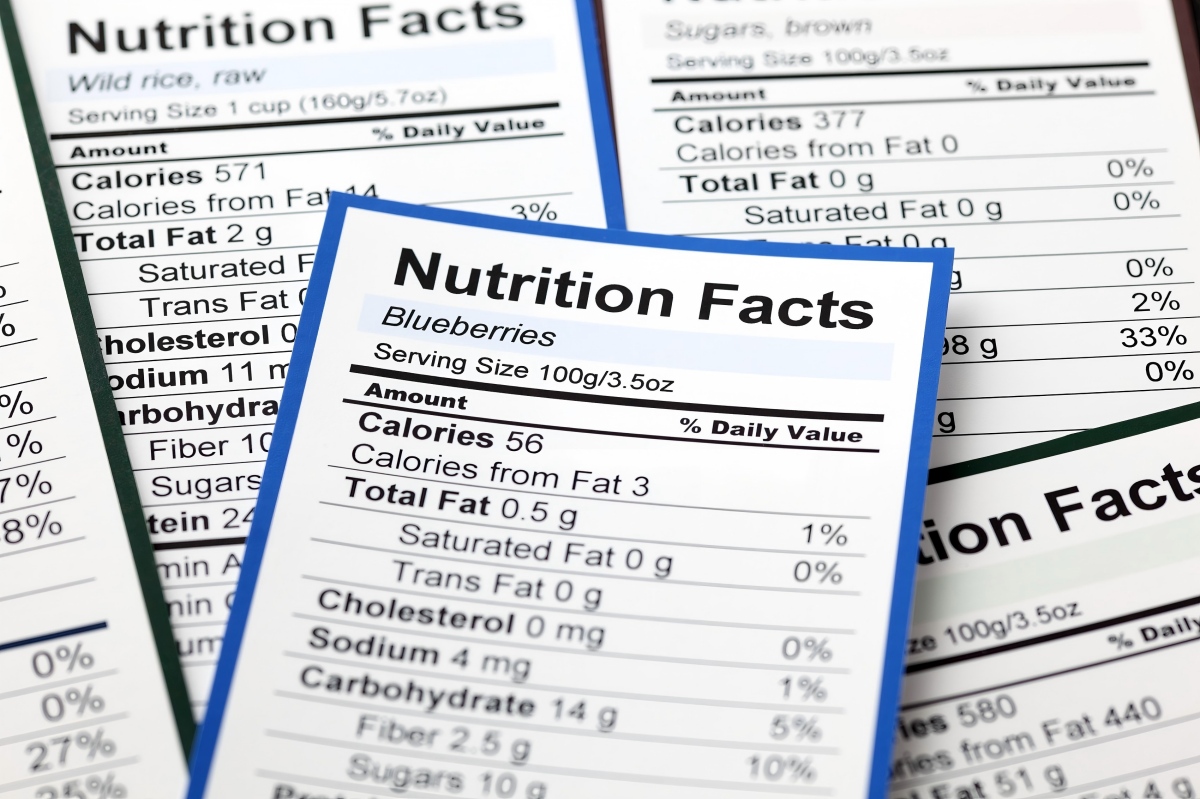
2. Look at the key: Nutritional Facts Table
This is the most informative place on the label.
Fat composition (key points):
Saturated fat: The lower this number, the better. It is recommended to choose products with less than 3-4 grams of saturated fat per 14 grams of fat.
Unsaturated fat: The higher this number, the better. It is the main source of oil's health value.
Trans fat (core red line): According to national regulations, if the trans fat content per 100 grams or 100 ml is less than 0.3 grams, it can be marked as "0". So even if the label says "0 trans fat," take a look at the ingredients list. If there are words such as "hydrogenated vegetable oil", "shortening", "margarine", "non-dairy creamer", "cocoa butter substitute" in the ingredient list, it means that the oil may still contain trace amounts of trans fatty acids, and it is recommended to avoid it or consume it in small amounts.
Vitamin E and Others: Vegetable oils naturally contain vitamin E, which is an antioxidant and a plus for oils.
3. Look at the process: pressing vs. leaching
Pressed oil: Physical pressing can usually better retain the natural aroma and nutrients of the oil (such as vitamin E, phytosterols), and no chemical solvent residues. It is recommended to give priority to oils marked with the "pressing" process, especially extra virgin olive oil, pressed peanut oil, etc.
Leached oil: Extracted through chemical solvents, the oil yield is high and the cost is low, but there is a risk of trace solvent residues (although it is safe to meet national standards, if you pursue high quality, pressing is better).
4. Look at the level: first level, second level, third level
Level 1/Level 2: High degree of refining, few impurities, high smoke point, suitable for frying and stir-frying. However, some nutrients (such as phospholipids and vitamin E) will be lost during the refining process.
Level 3/4: Low degree of refining, darker color, lower smoke point, richer raw material flavor (such as strong-flavored peanut oil, soybean oil), suitable for medium and low-temperature cooking or salad dressing. The nutrients are retained more comprehensively, but the fumes will be slightly larger when cooking.
5. Guide to avoid pitfalls: Be wary of the tricks of “blended oil”
Look at the ingredient list for sorting: According to national regulations, ingredients are arranged from high to low in content.
Many cheap "edible blended oils" may be called "olive blended oil", but in fact soybean oil is first on the ingredient list, and olive oil is only listed at the back. This means that you are paying a high price for soybean oil, not an oil with high health value.
Healthy choice: It is recommended to buy a single type of oil (such as pure rapeseed oil, pure peanut oil), or rotate several oils. If you buy blended oils, make sure the first few are the healthy oils you want (such as flaxseed oil, olive oil, tea seed oil).
To summarize, the selection steps can be as follows:
Determine the category: First determine what kind of oil you want to buy (for cooking? For cold dressing?).
Look at the process: priority is given to pressing.
Scan the ingredients: Make sure the raw materials are single and there is no word "hydrogenated"; if it is a blended oil, check whether the first one is a good oil.
Nutritional calculation: low in saturated fat and high in unsaturated fat.
Choose the level: Choose according to the cooking method, level 1/2 for daily cooking, level 3/4 for cold or low-temperature cooking.