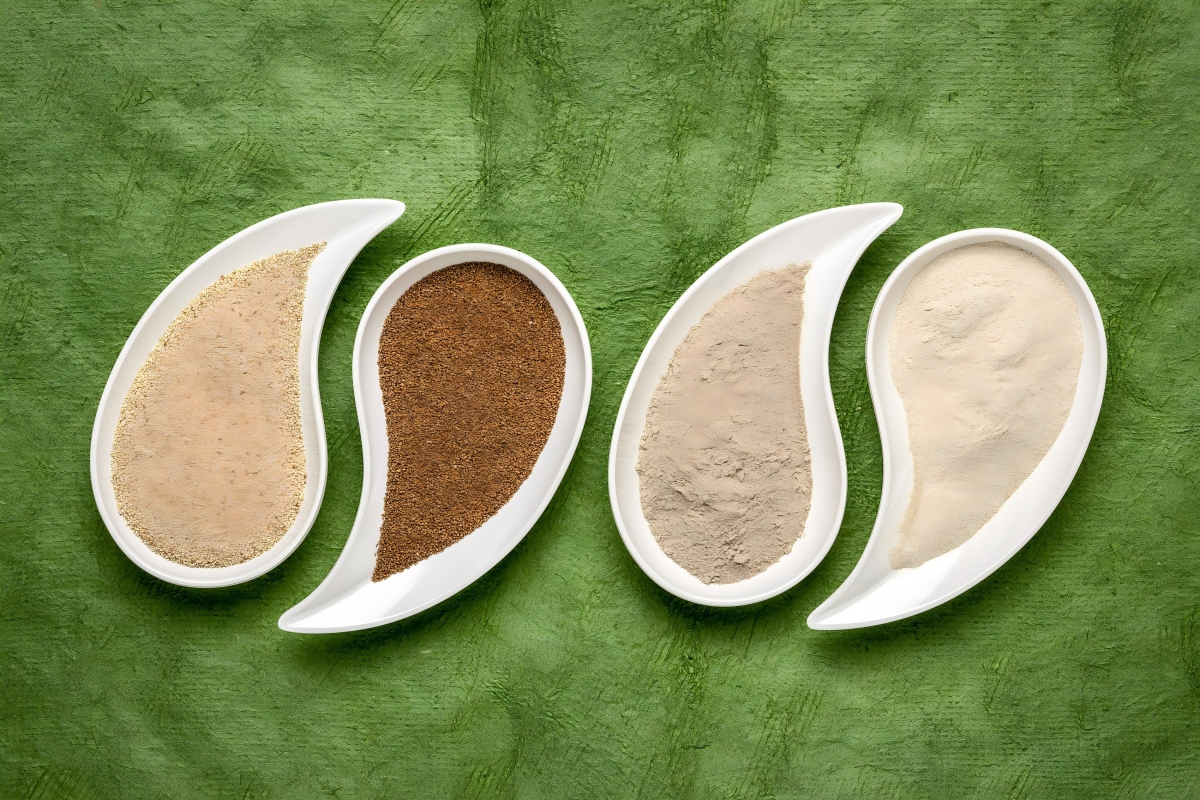

















There are significant differences between flavor microencapsulated powder and ordinary oils in multiple dimensions. The following is a clear comparison of the main differences:
1. Form and structure
Flavor microcapsule powder
Solid powder: Using microcapsule technology, oil (or flavor substances) is wrapped in wall materials (such as modified starch, colloid, etc.) to form micron-sized particles.
Double-layer structure: the core is oil/flavor ingredients, and the outer layer is protective wall material to prevent oxidation and volatilization.
Ordinary grease
Liquid or semi-solid state: such as vegetable oil, animal oil, etc., existing in free state without special embedding structure.
2. Stability and shelf life
Flavor microcapsule powder
High stability: The wall material isolates light, oxygen, and moisture, greatly delays oxidative rancidity, and extends the shelf life.
High temperature resistance: Some products can withstand high temperature processing (such as baking, spray drying).
Ordinary grease
Easy to oxidize: directly exposed to the environment, easily affected by light, heat, and oxygen and deteriorated.
Need to be protected from light and refrigerated: most require added antioxidants or special storage conditions.
3. Flavor and release characteristics
Flavor microcapsule powder
Flavor retention: Embedding reduces flavor loss during processing and retains volatile aroma.
Controlled release: Release flavor under specific conditions (such as heating, exposure to water, pH changes) to enhance the taste of the final product.
Ordinary grease
Direct release: Flavor is easy to volatilize or decompose during processing, making it difficult to precisely control the release timing.
4. Application scenarios
Flavor microcapsule powder
Convenience: The powder form is easy to mix, weigh, and transport, and is suitable for solid products (such as seasoning powder, instant soup, baking premix powder).
Functionality: Used in products that need to mask bad odors and enhance flavor persistence (such as health foods, pet feed).
Ordinary grease
Traditional cooking: directly used for frying, stir-frying, sauces and other liquid or semi-solid foods.
Limitations: Difficult to disperse evenly in dry formulations.
5. Nutrition and Health
Flavor microcapsule powder
Customizable formula: the oil content can be reduced, or fat-soluble nutrients (such as vitamins, probiotics) can be added.
Potential additives: Wall materials may contain edible glue, emulsifiers, etc. (which must comply with food safety standards).
Ordinary grease
Natural ingredients: less processed oils and no additional additives, but oils with high saturated fatty acid content may affect health.
6. Cost and Processing
Flavor microcapsule powder
Higher cost: relies on microcapsule technology (such as spray drying, coagulation method), and the process is complex.
High added value: extend shelf life, improve product stability, and reduce losses.
Ordinary grease
Lower costs: The extraction and refining processes are relatively mature, but storage and transportation requirements may add hidden costs.
Summary comparison table
Features | Flavor microcapsule powder | Ordinary grease |
Form | solid powder | liquid/semi-solid |
Stability | High (antioxidation, storage resistance) | Low (easy to oxidize) |
Flavor control | Controlled release, high retention rate | Direct release, easy to volatilize |
Application convenience | Easy to mix, suitable for dry products | Suitable for liquid or conventional cooking |
Processing cost | higher | lower |
Health attributes | Can be functionally customized | Depends on the properties of the oil itself |
Common fats and oils: household cooking oil, salad dressing, baking butter, hot pot base.
When choosing, you need to weigh the characteristics of the two according to product requirements (such as shelf life, processing technology, flavor design). Microencapsulation technology is an important innovation in the food industry, especially suitable for modern food systems that pursue convenience, stability and precise flavor control.