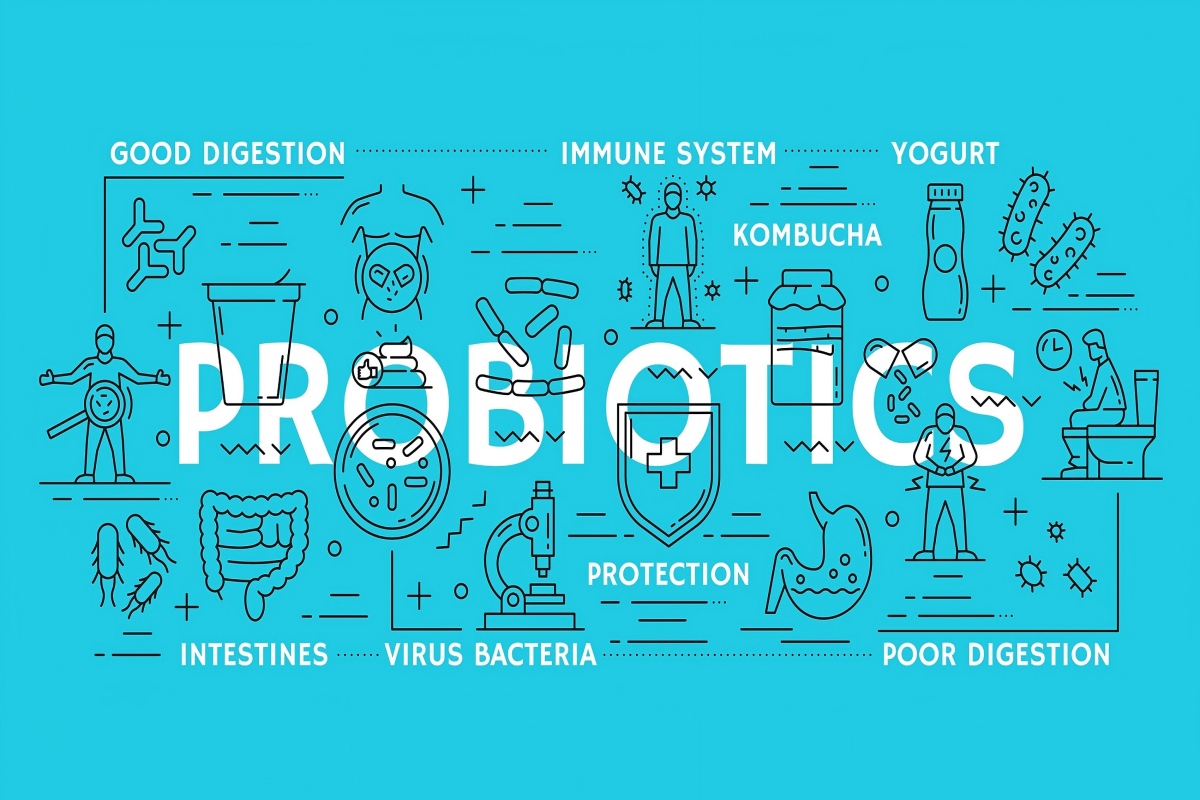

















Numerous scientific studies have shown that specific probiotic strains can positively impact oral health through several mechanisms:
Main mechanisms of action and benefits:
Inhibit pathogenic bacteria and maintain flora balance
The oral cavity is a complex micro-ecosystem. Probiotics can compete with harmful bacteria (such as Streptococcus mutans that causes dental caries, Porphyromonas gingivalis that causes periodontal disease, etc.) for living space and nutrients.
They can produce inhibitory substances (such as bacteriocins, hydrogen peroxide, organic acids) to directly inhibit or kill harmful bacteria.
Main benefits: Reduced risk of tooth decay (caries) and relief of bad breath (many bad breaths are caused by certain anaerobic bacteria on the back of the tongue and periodons).
Block the colonization of pathogenic bacteria
Probiotics can occupy the attachment points on the oral mucosa and tooth surface, forming a "biofilm barrier" to prevent pathogenic bacteria from adhering and colonizing.
Modulate immune response
Probiotics can regulate the oral and systemic immune systems and reduce the excessive inflammatory response of periodontal tissue to harmful bacteria.
Main benefits: Helps improve gingivitis, periodontitis, and reduce symptoms such as gum bleeding, redness, and swelling.
Decompose harmful substances
Certain probiotics can break down odor-causing substances such as hydrogen sulfide produced in the mouth, thereby reducing the root cause of bad breath.
Specific oral problems targeted:
Caries (tooth decay): The best-studied are Lactobacillus reuteri and Lactobacillus paracasei, which significantly reduce the amount of Streptococcus mutans in saliva.
Periodontal disease (gingivitis/periodontitis): Some strains of Streptococcus salivarius, Lactobacillus reuteri, Lactobacillus, and Bifidobacterium have been shown to help reduce plaque and improve markers of gum health.
Bad breath: Streptococcus salivarius and Weissella can effectively reduce the concentration of volatile sulfur compounds.
Oral Candida Infections: Certain lactobacilli may help inhibit the overgrowth of Candida albicans.
How to use probiotics to improve oral health?
Choose specific strains: The key is to choose strains that are backed by clinical studies and targeted for oral health. Common ones include:
Lactobacillus reuteri
Streptococcus salivarius
Lactobacillus paracasei
Lactobacillus acidophilus
Lactobacillus helveticus
Choose the appropriate dosage form:
Lozenges/chewable tablets: Can be released locally in the mouth, allowing probiotics to colonize the mouth directly, and the effect is usually better.
Probiotic toothpaste/mouthwash: Acts directly on the oral environment.
Oral capsules/powders: Indirectly affect the oral flora through the gut-oral axis, or act through the residence of some strains in the oral cavity after swallowing.
Consistent use: The effect of probiotics is not permanent and requires regular supplementation to maintain the effect.
Important notes:
Not a replacement for basic oral care: Taking probiotics should never prevent you from brushing, flossing, and visiting your dentist regularly. It is an "auxiliary", not a "replacement".
The effect varies from person to person: Everyone's oral flora is different, and the effect will also be different.
Safety: For the vast majority of healthy people, commercially available probiotic products are safe. However, people with severely compromised immune systems should consult a doctor before use.
Consult a Professional: If you have serious oral problems, you should first consult a dentist or periodontist. They can give you advice on whether to use and how to choose probiotics based on your specific situation.
Summary
Probiotics are a scientifically based auxiliary method that can effectively improve oral health. It shows promise in preventing dental caries, relieving gum inflammation and reducing bad breath by regulating the balance of oral flora. For best results, choose proven, strain-specific products and use them as a complement to, rather than a replacement for, a rigorous daily oral hygiene routine. Before starting any new health regimen, it is always wise to consult with your dentist.