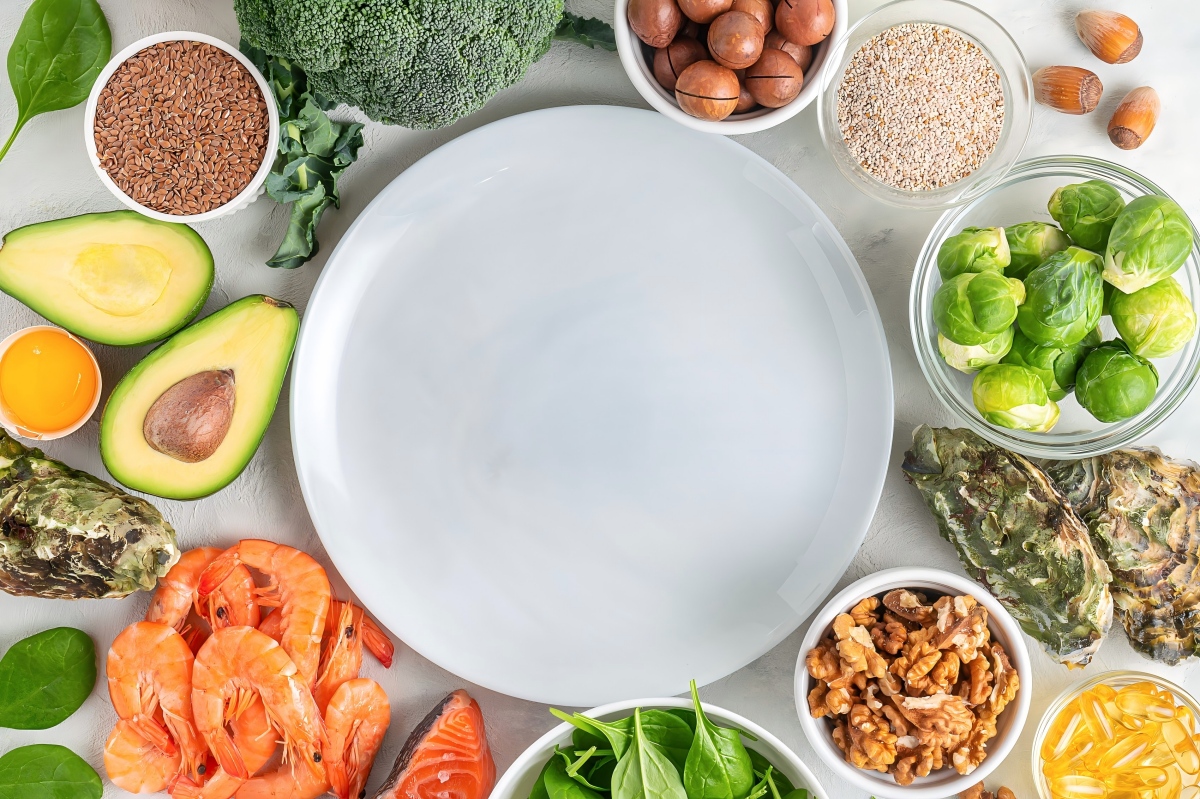
















Omega-3, 6, and 9 are three important fatty acids that differ in their chemical structure, physiological function, and dietary sources. Here are detailed suggestions for differentiating and balancing intake:
I. Core Differences
Type | Key features | Main functions | Common food sources |
Omega-3 | Essential fatty acids (cannot be synthesized by the human body and must be obtained from food) | Anti-inflammatory, supports brain and cardiovascular health, promotes neural development | Deep-sea fish (salmon, mackerel), flaxseed, chia seeds, walnuts, seaweed oil; soybean oil, corn oil, sunflower seed oil; fried foods, processed snacks; olive oil, avocado, nuts (such as cashews, almonds), tea seed oil. |
Omega-6 | Essential fatty acids (must be obtained from food, but modern diets often lead to excessive intake) | Provides energy, supports skin health, but excessive amounts may promote inflammation | Deep-sea fish (salmon, mackerel), flaxseed, chia seeds, walnuts, seaweed oil; soybean oil, corn oil, sunflower seed oil; fried foods, processed snacks; olive oil, avocado, nuts (such as cashews, almonds), tea seed oil. |
Omega-9 | Non-essential fatty acids (can be synthesized by the human body) | Lowers LDL cholesterol, has antioxidant properties, maintains cell membrane function | Deep-sea fish (salmon, mackerel), flaxseed, chia seeds, walnuts, seaweed oil; soybean oil, corn oil, sunflower seed oil; fried foods, processed snacks; olive oil, avocado, nuts (such as cashews, almonds), tea seed oil. |
II. Common Problems in Modern Diets
Omega-6 Severe Excess: Processed foods and common vegetable oils (soybean oil, corn oil, etc.) are high in Omega-6, leading to an imbalance in daily intake.
Omega-3 Insufficiency: Intake of foods like fish and flaxseed is low, especially in inland areas or for vegetarians.
Omega-9 No Deliberate Supplementation Required: The body can synthesize it, and a healthy diet usually provides sufficient amounts.
III. How to Achieve a Balanced Diet?
1. Increase Omega-3 Intake: Eat fatty fish 2-3 times a week: such as salmon, sardines, or herring.
Add plant-based Omega-3: flaxseed powder (mixed with yogurt/salad), chia seeds, walnuts.
Consider supplements: fish oil or algae oil (suitable for vegetarians); consult a doctor.
2. Control Omega-6 Intake: Reduce processed and fried foods: potato chips, cookies, and takeout fried foods.
Choose healthy cooking oils: Reduce soybean oil and corn oil, and use olive oil, camellia oil, or coconut oil instead.
3. Read food labels: Avoid processed foods containing partially hydrogenated oils or high levels of linoleic acid.
4. Utilize Omega-9 effectively: Replace some cooking oil with olive oil: suitable for cold dishes or low-temperature cooking.
Eat natural foods: Avocados and nuts as snacks or salad toppings.
5. Recommended target ratio: Omega-6:Omega-3 ratio: Ideally, it should be close to 4:1 to 1:1, but modern diets often reach 10:1 or even 20:1.
No need to specifically calculate Omega-9; prioritize adjusting the ratio of Omega-3 and Omega-6.
6. Simple practical tips: Breakfast: Add a spoonful of flaxseed powder or chopped walnuts to oatmeal.
Ⅳ.Lunch/Dinner
Replace some red meat with grilled fish; season vegetable salads with olive oil.
Snacks: Choose walnuts and almonds; avoid potato chips and puffed snacks.
Cooking: Alternate between different types of oils (such as olive oil, rapeseed oil, and peanut oil) to avoid using only one type of oil for extended periods.
Precauzioni
Special populations: Pregnant women and patients with cardiovascular disease need to adjust their Omega-3 intake under the guidance of a doctor.
Oil oxidation: Avoid high-temperature cooking with oils rich in Omega-3, such as flaxseed oil; store them refrigerated.
Overall diet: Consume a balanced diet of vegetables, whole grains, and high-quality protein; avoid viewing fatty acids in isolation.
By optimizing food choices and cooking methods, most people can improve their fatty acid balance without complex calculations, thereby supporting overall health.