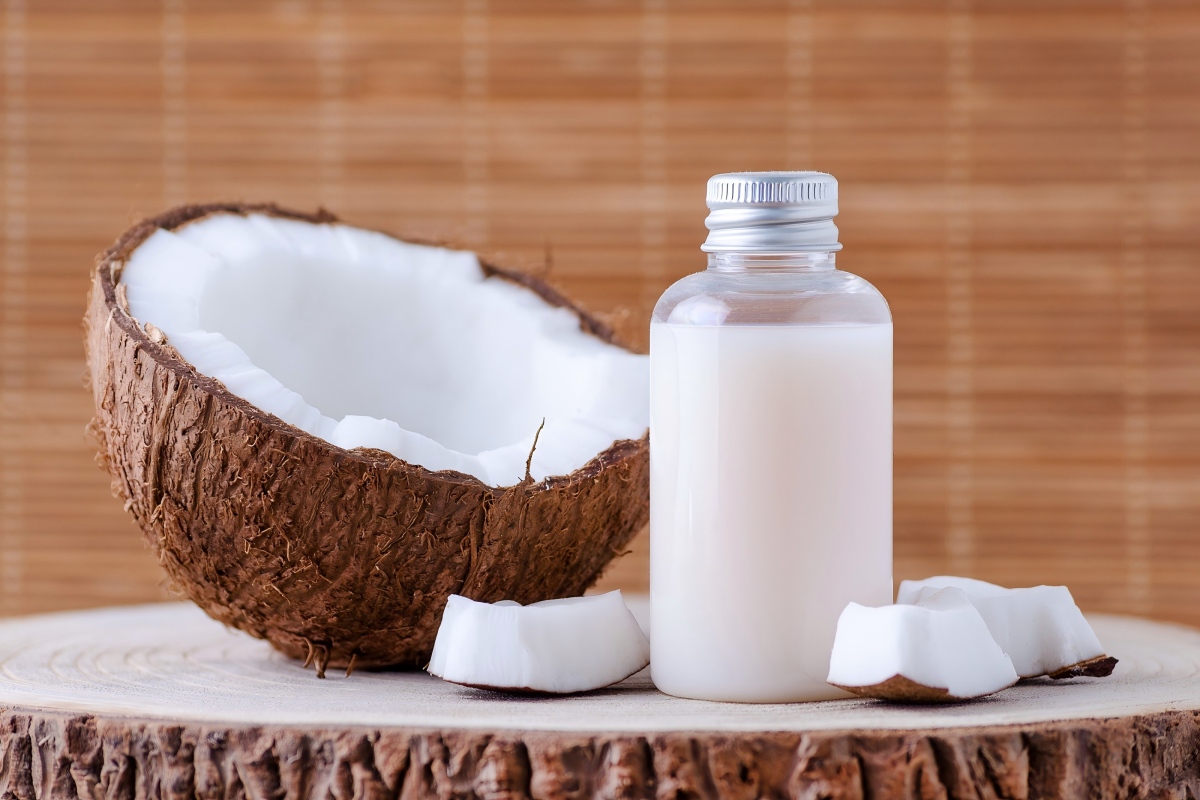
















Coconut oil and MCT oil are closely related but also significantly different. Simply put: coconut oil is a natural plant oil, while MCT oil is typically refined from coconut oil (or palm kernel oil), containing only specific portions of the oil.
Below is a detailed comparison and explanation:
น้ำมันมะพร้าว
Source and Composition:
A natural oil obtained by cold pressing or extraction from coconut meat. It is a mixture with a very rich composition.
Main Fatty Acid Composition:
ไตรกลีเซอไรด์ขนาดกลาง: ประมาณ54%-62% แต่เนื้อหาของ "ประสิทธิภาพสูง" MCTS (C8และ C10) นั้นไม่สูง
กรดลอริล: ประมาณ45%-52% ซึ่งเป็นส่วนประกอบที่อุดมสมบูรณ์ที่สุดของน้ำมันมะพร้าวเคมีมันเป็นของประเภทกรดไขมันโซ่กลางแต่เส้นทางการเผาผลาญของมันเป็นเช่นเดียวกับกรดไขมันโซ่ยาวที่ต้องการเวลานานในการเปลี่ยนเป็นร่างกายคีโตน
กรดคาปรี: ประมาณ6%-7%.
กรดคาปรี: ประมาณ5%-9%.
Triglycerides โซ่ยาว: ประมาณ40% เช่นกรดโอเลอิกและกรดไลโนเลอิก
ลักษณะ:
รูปแบบธรรมชาติ: รักษารสชาติมะพร้าวและสารอาหารจากธรรมชาติบางอย่าง (เช่นวิตามินอีโพลีฟีนอลฯลฯ)
จุดควันขนาดกลาง: บริสุทธิ์เป็นพิเศษน้ำมันมะพร้าวมีจุดควันประมาณ177°C เหมาะสำหรับการปรุงอาหารที่อุณหภูมิปานกลางถึงสูง
สถานะอุณหภูมิห้อง: แข็งตัวเป็นของแข็งสีขาวต่ำกว่า24°ค.
การใช้งานหลัก:
การทำอาหารการอบการดูแลผิวการดูแลเส้นผมฯลฯ
น้ำมัน MCT
Source and Composition:
สกัดจากน้ำมันมะพร้าวหรือน้ำมันเมล็ดปาล์มผ่านกระบวนการกลั่นเศษส่วนที่มีกรดไขมันขนาดกลางบริสุทธิ์เท่านั้น
องค์ประกอบกรดไขมันหลัก:
มีเพียง100% MCT โดยปกติแล้วจะมีส่วนผสมของกรด Caprylic และ capric
ประเภททั่วไป:
C8: Caprylic Acid-ถือว่าเร็วที่สุดและบริสุทธิ์ในแง่ของการแปลงพลังงานผลิตคีโตนอย่างรวดเร็วอาจทำให้เกิดความรู้สึกไม่สบายทางเดินอาหารลดลง
C10: กรดคาปรี-ยังแปลงพลังงานได้อย่างรวดเร็วแต่ช้ากว่า C8. เล็กน้อย
ชนิดผสม: ส่วนผสมของ C8และ C10ซึ่งเป็นน้ำมัน MCT ชนิดทั่วไปในตลาด C12: กรดลอริค-เนื่องจากคุณสมบัติในการเผาผลาญคุณภาพสูงน้ำมัน MCTโดยปกติจะมีกรดลอริคน้อยหรือไม่มีเลย
ลักษณะ:
ไม่มีสีและไม่มีกลิ่น: กลั่นสูงไม่มีกลิ่นมะพร้าว
ดูดซึมได้สูง: โมเลกุลขนาดเล็กช่วยให้ดูดซึมโดยตรงโดยไม่มีเอนไซม์ตับอ่อนหรือตับอ่อนมันเข้าสู่ตับผ่านหลอดเลือดดำพอร์ทัลและถูกเผาผลาญอย่างรวดเร็วในร่างกายคีโตนเพื่อพลังงานโดยไม่ต้องเก็บไว้เป็นไขมัน
ของเหลวใส: ของเหลวที่อุณหภูมิห้องและไม่แข็งตัวที่อุณหภูมิต่ำ
จุดควันต่ำมาก: โดยทั่วไปไม่ได้ใช้สำหรับการปรุงอาหารที่อุณหภูมิสูงเหมาะสำหรับการบริโภคโดยตรงเพิ่มเครื่องดื่มร้อนหรือเย็นหรือหยดลงบนอาหาร
การใช้งานหลัก:
เพิ่มพลังงานอย่างรวดเร็ว, การสนับสนุนอาหาร ketogenic, การสนับสนุนฟังก์ชั่นความรู้ความเข้าใจ, โภชนาการกีฬา, เพิ่มกาแฟ/สมูทตี้
สรุปความแตกต่างที่สำคัญ
ลักษณะที่ปรากฏ | น้ำมันมะพร้าว | MCT Oil |
สาระสำคัญของ | Natural full-spectrum oil | น้ำมันกลั่นเทียม |
ส่วนประกอบต่างๆ | Approximately 50-60% MCT (mainly lauric acid) + long-chain fatty acids | 100% MCT (primarily C8/C10) |
รัฐรัฐรัฐ | Solidates at low temperatures | Always remains liquid |
รสชาติรสชาติ | Rich coconut flavor | Easily odorless |
Metabolic Rate | Slower cooking time (due to lauric acid and long-chain fatty acids) | Extremely fast (C8/C10 provides direct energy) |
Ketone Formation | Mild and slow-cooking | Intense and rapid |
Cooking Uses | Suitable for medium to high temperature cooking | Not suitable for high-temperature cooking (low smoke point) |
Price | Relatively inexpensive | Relatively expensive |
How to Choose?
Choose coconut oil if you: value natural ingredients, enjoy the coconut flavor, primarily use it for daily cooking and baking, or desire other natural components besides MCT, and do not prioritize the fastest energy metabolism.
Choose MCT oil if you are: on a strict ketogenic diet and need a rapid increase in blood ketone levels; want a quick boost of mental/physical energy; want to add it to coffee or beverages without affecting flavor; or have difficulty digesting long-chain fats.
หมายเหตุสำคัญ: Whether using coconut oil or MCT oil, start with small amounts to allow your body to adjust. Avoid consuming too much at once, which can cause diarrhea or gastrointestinal upset. For first-time users, it is recommended to start with 5 ml (about one teaspoon).