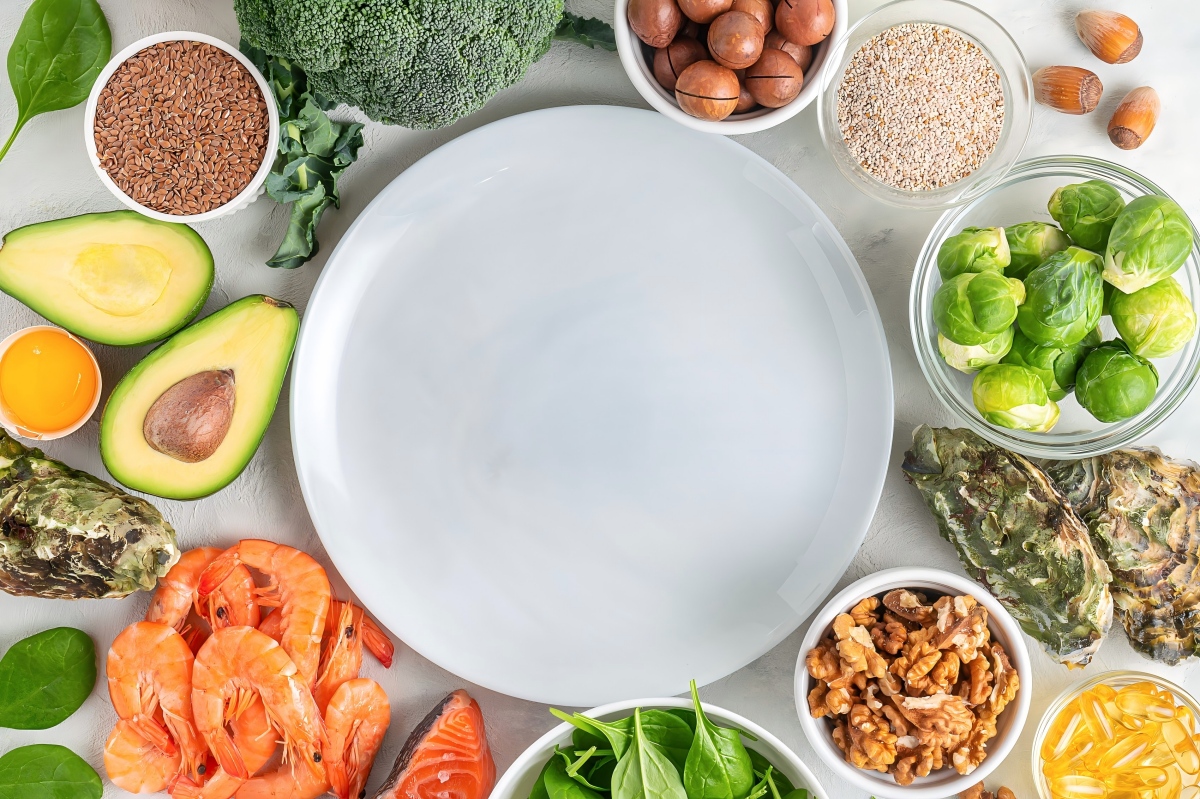

















โอเมก้า3, 6และ9เป็นกรดไขมันที่สำคัญสามชนิดที่แตกต่างกันในโครงสร้างทางเคมีการทำงานทางสรีรวิทยาและแหล่งอาหารนี่คือคำแนะนำโดยละเอียดสำหรับการบริโภคที่แตกต่างและสมดุล:
I. ค่ะความแตกต่างหลัก
ประเภทประเภท | คุณสมบัติที่สำคัญ | หน้าที่หลัก | แหล่งอาหารทั่วไป |
โอเมก้า3 | กรดไขมันจำเป็น (ร่างกายมนุษย์ไม่สามารถสังเคราะห์ได้และต้องได้รับจากอาหาร) | ต้านการอักเสบสนับสนุนสุขภาพสมองและหัวใจและหลอดเลือดส่งเสริมการพัฒนาประสาท | ปลาทะเลลึก (ปลาแซลมอน, ปลาทู), flaxseed, เมล็ด Chia, วอลนัท, สาหร่ายน้ำมัน; น้ำมันถั่วเหลือง, น้ำมันข้าวโพด, น้ำมันเมล็ดทานตะวัน; อาหารทอด, ขนมแปรรูป; น้ำมันมะกอก, อะโวคาโดถั่ว (เช่นเม็ดมะม่วงหิมพานต์อัลมอนด์) น้ำมันเมล็ดชา |
โอเมก้า6ค่ะ | กรดไขมันจำเป็น (ต้องได้รับจากอาหารแต่อาหารสมัยใหม่มักนำไปสู่การบริโภคที่มากเกินไป) | ให้พลังงานสนับสนุนสุขภาพผิวแต่ปริมาณที่มากเกินไปอาจส่งเสริมการอักเสบ | ปลาทะเลลึก (ปลาแซลมอน, ปลาทู), flaxseed, เมล็ด Chia, วอลนัท, สาหร่ายน้ำมัน; น้ำมันถั่วเหลือง, น้ำมันข้าวโพด, น้ำมันเมล็ดทานตะวัน; อาหารทอด, ขนมแปรรูป; น้ำมันมะกอก, อะโวคาโดถั่ว (เช่นเม็ดมะม่วงหิมพานต์อัลมอนด์) น้ำมันเมล็ดชา |
โอเมก้า-9 | กรดไขมันที่ไม่จำเป็น (สามารถสังเคราะห์ได้โดยร่างกายมนุษย์) | ลดคอเลสเตอรอล LDL มีคุณสมบัติต้านอนุมูลอิสระรักษาฟังก์ชันเมมเบรนของเซลล์ | ปลาทะเลลึก (ปลาแซลมอน, ปลาทู), flaxseed, เมล็ด Chia, วอลนัท, สาหร่ายน้ำมัน; น้ำมันถั่วเหลือง, น้ำมันข้าวโพด, น้ำมันเมล็ดทานตะวัน; อาหารทอด, ขนมแปรรูป; น้ำมันมะกอก, อะโวคาโดถั่ว (เช่นเม็ดมะม่วงหิมพานต์อัลมอนด์) น้ำมันเมล็ดชา |
II.ครับปัญหาทั่วไปในอาหารสมัยใหม่
โอเมก้า6ส่วนเกินรุนแรง:อาหารแปรรูปและน้ำมันพืชทั่วไป (น้ำมันถั่วเหลืองน้ำมันข้าวโพดฯลฯ) สูงในโอเมก้า6นำไปสู่ความไม่สมดุลในการบริโภคประจำวัน
โอเมก้า3ความไม่เพียงพอ:การบริโภคอาหารเช่นปลาและเมล็ดแฟลกซ์อยู่ในระดับต่ำโดยเฉพาะอย่างยิ่งในพื้นที่ภายในประเทศหรือสำหรับผู้ทานมังสวิรัติ
OMEGA-9ไม่จำเป็นต้องมีการเสริมด้วยความตั้งใจ:ร่างกายสามารถสังเคราะห์ได้และอาหารเพื่อสุขภาพมักจะให้ปริมาณที่เพียงพอ
III ครับวิธีการบรรลุอาหารที่สมดุล?
1. เพิ่มโอเมก้า3ไอดี:กินปลาที่มีไขมันสัปดาห์ละ2-3ครั้งเช่นปลาแซลมอนปลา sardines หรือปลาเฮอริ่ง
เพิ่มโอเมก้าจากพืช-3: ผง flaxseed (ผสมกับโยเกิร์ต/สลัด), เมล็ด Chia, วอลนัท
พิจารณาอาหารเสริม: น้ำมันปลาหรือน้ำมันสาหร่าย (เหมาะสำหรับมังสวิรัติ); ปรึกษาแพทย์
2. ควบคุม Omega-6 intake:ลดอาหารแปรรูปและทอด: มันฝรั่งทอดคุกกี้และอาหารทอดสำหรับซื้อกลับบ้าน
เลือกน้ำมันปรุงอาหารเพื่อสุขภาพ: ลดน้ำมันถั่วเหลืองและน้ำมันข้าวโพดและใช้น้ำมันมะกอกน้ำมันดอกคาเมลเลียหรือน้ำมันมะพร้าวแทน
3. อ่านฉลากอาหาร:หลีกเลี่ยงอาหารแปรรูปที่มีน้ำมันไฮโดรเจนบางส่วนหรือกรดไลโนเลอิกในระดับสูง
4. ใช้ Omega-9อย่างมีประสิทธิภาพ:เปลี่ยนน้ำมันปรุงอาหารด้วยน้ำมันมะกอก: เหมาะสำหรับอาหารเย็นหรือการปรุงอาหารที่อุณหภูมิต่ำ
กินอาหารธรรมชาติ: อะโวคาโดและถั่วเป็นขนมขบเคี้ยวหรือท็อปปิ้งสลัด
5. อัตราส่วนเป้าหมายที่แนะนำ:อัตราส่วนโอเมก้า6: โอเมก้า3: นึกคิดควรใกล้เคียงกับ4:1ถึง1:1แต่อาหารสมัยใหม่มักจะถึง10:1หรือแม้แต่20:1
ไม่จำเป็นต้องคำนวณโอเมก้า9โดยเฉพาะ
6. เคล็ดลับการปฏิบัติที่เรียบง่าย: อาหารเช้า:เพิ่มหนึ่งช้อนเต็มของผงเมล็ดแฟลกซ์หรือวอลนัทสับเพื่อข้าวโอ๊ต
อาหารกลางวัน/อาหารเย็น
เปลี่ยนเนื้อแดงด้วยปลาย่าง
ขนมขบเคี้ยว: เลือกวอลนัทและอัลมอนด์หลีกเลี่ยงมันฝรั่งทอดและขนมพอง
การทำอาหาร: สลับไปมาระหว่างน้ำมันประเภทต่างๆ (เช่นน้ำมันมะกอกน้ำมันเรพซีดและน้ำมันถั่ว) เพื่อหลีกเลี่ยงการใช้น้ำมันเพียงชนิดเดียวเป็นเวลานาน
ข้อควรระวังในการ
ประชากรพิเศษ: สตรีมีครรภ์และผู้ป่วยโรคหัวใจและหลอดเลือดจำเป็นต้องปรับการบริโภคโอเมก้า3ภายใต้การแนะนำของแพทย์
การเกิดออกซิเดชันของน้ำมัน: หลีกเลี่ยงการปรุงอาหารที่อุณหภูมิสูงด้วยน้ำมันที่อุดมไปด้วยโอเมก้า3เช่นน้ำมัน flaxseed เก็บไว้ในตู้เย็น
อาหารโดยรวม: กินอาหารที่สมดุลของผักธัญพืชและโปรตีนคุณภาพสูง
โดยการเพิ่มประสิทธิภาพทางเลือกอาหารและวิธีการทำอาหารคนส่วนใหญ่สามารถปรับปรุงความสมดุลของกรดไขมันของพวกเขาโดยไม่ต้องคำนวณที่ซับซ้อนจึงสนับสนุนสุขภาพโดยรวม