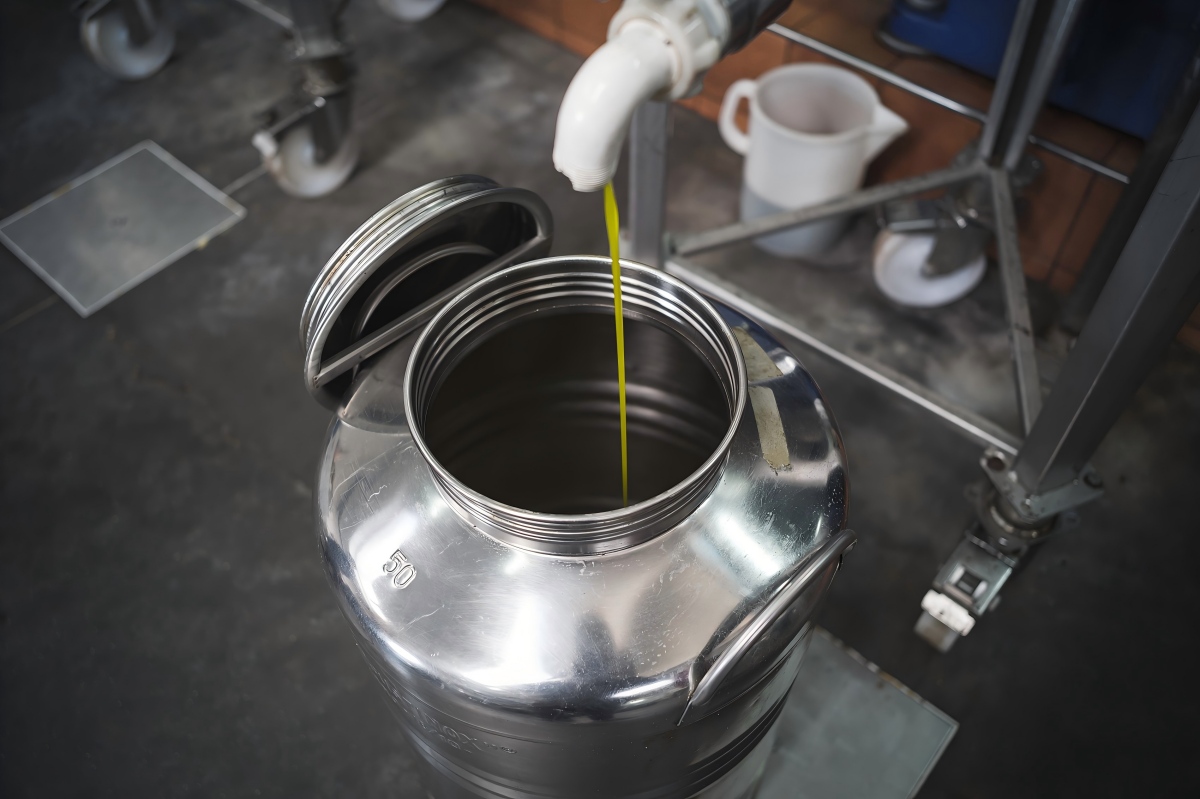

















Ба ҷои хӯрии хӯрдани сурмаркет рафта, Шумо дар ҳақиқат аз тарафи нишонаи барчаспҳо - "cold-pressed", "virgin зерсид", "refined", "pure "... Қисбҳои гуногун ба оғози оғоз кардан душвор мегарданд. Дар байни равшани пӯшидани пӯшида ва равшани тафтишуда чӣ фарқ мекунад? Кадоме саломаттар аст? Кӯзии шумо кадоме беҳтар аст? Ин мақола барои шумо муайян карда мешаванд, ки фарқияти асосии ду равзи хӯрӣ бо тарзи коркард Ба шумо кӯмак мекунад, ки ба шумо интихоби хирадмандон рафтор кунанд.
Барои равшани сард чист?
Баръакс, Чунон ки номи нишон медиҳад, равшани равшани равшани равзана бароварда шудааст, Ҳамчун ё меваҳо бо ҷисми ҷисми ва механистон бе гурӯҳи ҳама дар вақти тамоми рафтор. Пахшкунии суст одатан дар ҳарорат амал мекунадАз поёни 50°C, Ва баъзе саҳифаи сахти хубҳо ҳатто идоракунии ҳарорати зери 40 ° C.
Гузаронидани сард амали сохтани равзанӣ аст, ки дар давоми сад сол рафта истодааст. Баъд аз поккунии оддӣ, пӯшида ва дигар пешакии пӯшида, равшани дуруст аз дастгоҳҳои зеркунандагон берун мешаванд. Барои он ки равшани ғамхорӣ буд, аъзои нопокӣ ва қимати сидтар аст. ҲамешаИҷро нашудааст... Он метавонад баъди пӯшид ва филтршавӣ равзана ба анҷом расонад.
Гурӯҳҳои хомӯшшуда дар бар мегирифтанд: равзани зайтуни иловагӣ, раввии пӯшидани sesам, равғани пӯшида, равви пӯшида, равшани пӯшида, равзани пӯшида, ғ.
Равви тафтишуда чист?
Равшани муайяншудаРавзи хӯрда, ки аз якчанд амалиёти коркардкунандагонро истифода бурда мешавад. Равшани ғамхорӣ метавонад аз тарафи хомӯшӣ ё аз тарафи барҳамгирӣ ё бародарони равшан бахшад. Ногоҳ аз кадом тарзи равшани ғамхорӣ меояд, он бояд ба гурӯҳи бисёри ислоҳкунӣ гузарад:
Намоиш додан:Тозакунии гум ва фосфолиди аз равзана
Тасвирот:Қуттии лозимӣ
Дигаргункунӣ:Барои равшани равзанӣ тоза мекунад
Деодоризация:Сумҳоро ҳузф мекунад ва равшани нейтрала мегардонад.
Дар давоми ислоҳкунӣ равзана ғам мегардад.Зиёд аз 200°CВа ҳангоми қадами деодоризацияро бо ғамхорӣ медиҳад.
Равҳои муқарраршуда дар бар мегирифта: равзани сои тафтишуда, равҷи офтоби офтоб, Равзи тафтиш, равзани қурмот, ғайр.
Фарқи байни равзанаи суръат ва равзанаи тафтиша
1. Фарқиятҳои муҳим дар коркарди технология
Андозаҳои Контраст | Равшани сард | Равшани муайяншуда |
Усули баровардан | Бе истифодаи барномаҳои барномаҳои омил ва механикӣ | Шумо метавонед пахш кунад ё бароварда шавад, таҳлилҳои хемикии лозим аст |
Коркарди ҳарорат | Аз поёни 50°C, даровардани ҳамсари камӣ | Таъғири ҳарорати баланд, то 200 ° C ё зиёда |
Иловаҳои барномаҳо | Истифодаи барномаҳо | Истифодаи барномаҳои барномаҳои монанди сода ва лекинҳое |
Равандҳои оянда | Фақат лозим ва филтршавӣ лозим аст | Раванди якчанд раванд ба монанди дидумкунӣ, лозимкунӣ, лозимкунӣ ва дефоизатсият |
Пахшкунии суст аРаванди пурраи физикӣКи омехтаҳои равшанро то калонтарин нигоҳ медорад.Пайвандкунии саҳифаи фаҳмКитоби Муқаддасро медиҳад, гузаштани ҳаёти ӯ ва беҳтар кардани гарм.
2. Фазои калон дар мӯҳлати аниқӣ
Азбаски онҳо бо тарзи гуногун ба кор карда шудаанд, мӯҳлати ду равшан хеле фарқ мекунад.
Равзани сард гузаронидаи қисмҳои натуралро нигоҳ медорад:
Vitamin E (Tocopherol)
Phytosterols
polyphenols
carotenoids
Phospholipids
Research shows that cold-pressed oil retains significantly higher levels of unsaturated fatty acids, antioxidants, vitamins, and other bioactive compounds than refined oil. The unsaponifiable matter content in cold-pressed oil is approximately 2.5 times that of refined sesame oil.
Refined oils lose a lot of nutrients during processing. The refining process results in a significant reduction in bioactive substances such as phytosterols and tocopherols. Water-soluble materials and steam volatile materials are removed or reduced during the refining process. However, it is worth noting that refining has no significant impact on the fatty acid composition of oils - that is to say, there is not much difference in the types and proportions of fatty acids between cold-pressed oil and refined oil, and the difference is mainly reflected in micronutrients.
3. The difference in smoke point is huge.
The Нуқтаи дуд is the temperature at which cooking oil starts to smoke when heated, and is an important indicator of the heat resistance of oil.
Cold pressed oil has a lower smoke point (usually around 160-190°C). Because unrefined oil retains more natural compounds, these substances tend to break down when heated. For example, cold-pressed virgin olive oil has a smoke point of approximately 190°C.
Refined oil has a higher smoke point (up to over 220-230°C). The refining process removes impurities and heat-sensitive substances from the oil, making the oil more stable. The smoke point of refined soybean oil and peanut oil can be increased from about 160°C of crude oil to over 230°C.
Гузоштан:the higher the degree of refining, the higher the smoke point; the higher the degree of cold pressing, the lower the smoke point.
4. Sharp contrast between flavor and appearance
Cold-pressed oil retains the natural flavor and color of the oil itself. Depending on the ingredients, the color of cold-pressed oil can range from pale yellow to dark green, orange-red or even brown, and the smell and taste can range from mild to very strong.
Равшани муайяншуда has a uniform light yellow color and a very neutral odor and taste. This is because the decolorization and deodorization processes during the refining process remove the original pigments and flavor substances of the oil.
5. Differences in shelf life and oxidative stability
Cold pressed oil has a shorter shelf life. Cold-pressed oils are more susceptible to oxidative rancidity because they retain more natural ingredients and are not refined. Cold-pressed oil has lower oxidation stability in the Rancimat test (5.08 hours) than refined oil. The peroxide value and acid value, two indicators that reflect the degree of oxidation of oil, are almost five times higher in cold-pressed oil than in refined oil.
Refined oil has a longer shelf life. The refining process removes impurities and trace ingredients that promote oxidation, making the oil more stable and more shelf-stable.
6. Differences in price and output
Cold-pressed oil has a lower oil yield and higher production costs, so cold-pressed oil is usually more expensive. Refined oil has high oil yield, low production cost and more affordable price, making it the daily choice of most families.
How to choose: cold pressed oil or refined oil?
Which oil you choose depends on your cooking styleВан health needs.
Suitable situations for using cold pressed oil:
Cold salad: Cold-pressed oil has a rich natural flavor and can enhance the taste of the dish.
Low-temperature cooking: stir-fry over low heat, cook over low heat
Eat directly: drizzle over cooked meals, dip into bread
Pursuing maximum nutritional retention: wishing to consume more natural antioxidants and vitamins
Cold pressed oil is not suitable for high temperature frying. When the oil temperature exceeds the smoke point, the chemical composition of the oil will change, which not only destroys nutrients but may also produce harmful substances.
Suitable situations for using refined oil:
High-temperature cooking: frying, frying, grilling
Daily stir-fry: Home-style quick stir-fry requires a certain degree of heat resistance
Baking: Pastry making requires high-temperature resistant fats
Pursuing cost-effectiveness: Refined oil is more affordable and suitable for daily use in large quantities
It should be noted that no one oil is suitable for all cooking needs. The best strategy is to choose different oils for different cooking methods—cold-pressed oils for cold dishes and refined oils for high-temperature cooking.
Нофаҳмиҳои умумӣ равшан мешаванд
Myth 1: Cold-pressed oil must be healthier than refined oil
Not exactly. Cold-pressed oils do retain more micronutrients, but the overall health value of the oil also depends on the fatty acid profile. Cold-pressed coconut oil, while unrefined, is still high in saturated fat, while refined canola or sunflower oil may have a more favorable ratio of unsaturated fatty acids. The composition of the fatty acids is more important than the “refined or not” label.
Myth 2: Refined oil contains harmful chemicals
Refined edible oil produced by regular manufacturers is subject to strict food safety supervision, and refined edible oil is safe and edible. Although the refining process removes some nutrients, it also removes undesirable ingredients that may affect shelf life and taste.
Myth 3: Cold-pressed oil cannot be heated at all
Cold-pressed oils can be used for low- to medium-heat cooking, just not for high-temperature frying. Good quality cold-pressed virgin olive oil can even be used for cooking and frying. The key is to control the oil temperature and not exceed the smoke point of the oil.
Хулост
Cold-pressed oil and refined oil each have their own advantages and disadvantages, and there is no absolute "good" or "bad":
Cold-pressed oil: Mild process, rich in nutrients, rich in flavor, but with low smoke point, short shelf life and high price - suitable for cold dressing and low-temperature cooking
Refined oil: mature technology, high smoke point, long shelf life, affordable price, but high nutritional loss, neutral flavor - suitable for high-temperature cooking
The rational choice is to use two types of oils according to different cooking needs: cold-pressed oil for cold and low-temperature cooking to obtain more nutrients, and refined oil for frying and high-temperature cooking to ensure safety and stability. Both qualities have pros and cons, and choosing the best oil based on the product and intended use is the smartest thing to do.