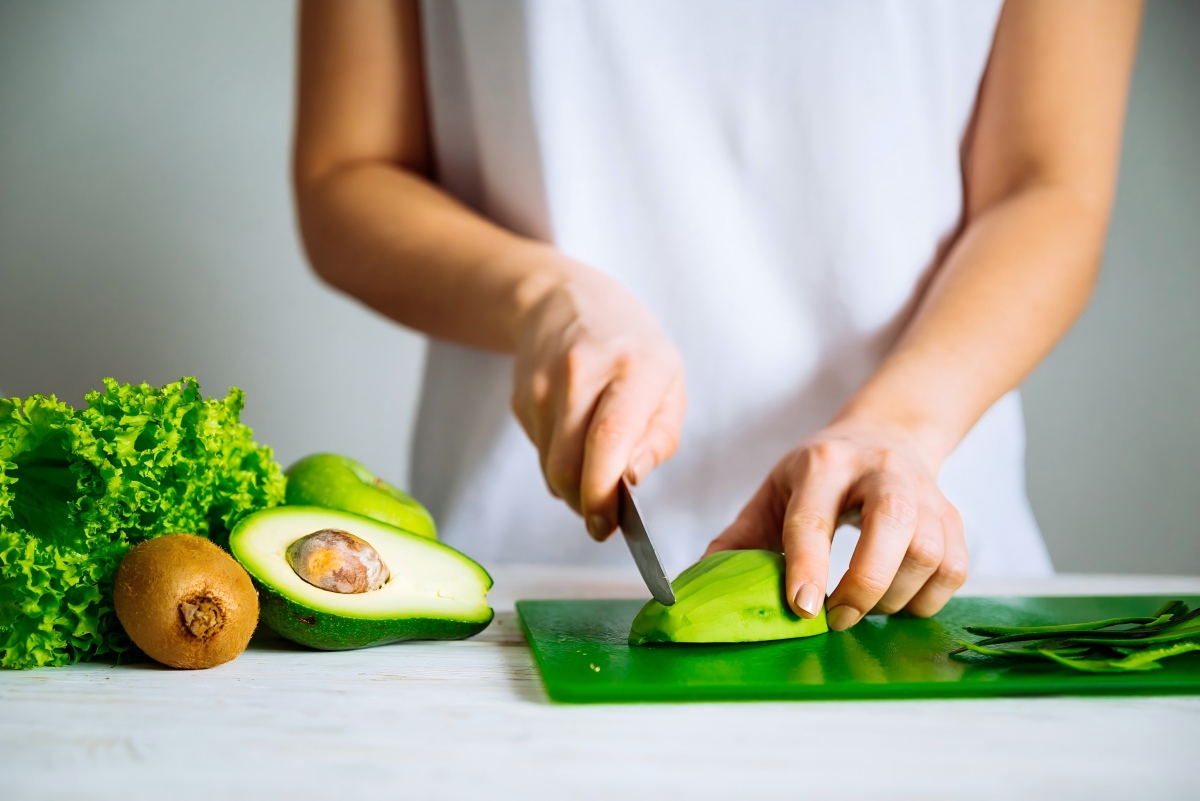

















Today, with the trend of healthy eating sweeping the world, the choice of cooking oil has become a "compulsory course" in the home kitchen. From olive oil to coconut oil, various oils have their own advantages, but in recent years, avocado oil (also known as avocado oil), an oil from tropical fruits, is rapidly becoming the top list of "healthy oils" with its unique nutritional composition and excellent cooking performance. So what exactly makes avocado oil stand out? What are its unique and irreplaceable advantages in cooking and nutrition? This article will reveal it to you one by one.
1. Nutritional advantages: not just "good fat", but also a "nutrition bank"
The core nutritional value of avocado oil comes from its almost perfect fatty acid composition. Like the avocado fruit, avocado oil is an excellent source of high-quality fats.
1. Very high in monounsaturated fatty acids, good for cardiovascular health
The mst prominent nutrient in avocado oil is monounsaturated fatty acid, whose content is as high as 60% to 70%, or even more than 70%. Among them, the content of oleic acid is particularly rich, reaching 45% to 64%. Oleic acid is the highly regarded core fatty acid in olive oil and is a heart-healthy "good fat."
The American Heart Association recommends replacing saturated fat with monounsaturated fat whenever possible. Research shows that monounsaturated fatty acids help lower LDL cholesterol, the "bad" cholesterol, thereby reducing the risk of atherosclerosis and cardiovascular disease. A crossover study also found that replacing butter with avocado oil in meals can effectively improve blood lipids and inflammation levels after meals.
2. High-quality source of natural vitamin E, powerful antioxidant
Avocado oil is rich in natural vitamin E. Each 100 grams of avocado oil contains about 14 mg of natural vitamin E. Vitamin E is a powerful fat-soluble antioxidant that can remove excess free radicals in the body and reduce cell damage caused by oxidative stress, thereby delaying aging and protecting skin health. The natural vitamin E in avocado oil is more bioavailable than synthetic vitamin E.
3. Lutein and phytosterols double protect eyes and heart
In addition to vitamin E, avocado oil also contains important micronutrients such as lutein and phytosterols. Lutein is a carotenoid that can be selectively deposited in the macular area of the retina to help filter harmful blue light and reduce oxidative damage. It has positive significance in protecting vision and reducing the risk of age-related macular degeneration. Phytosterols (such as β-sitosterol) can reduce the intestinal absorption of cholesterol through competitive inhibition and help reduce the level of bad cholesterol in the blood.
4. Promote the absorption of fat-soluble vitamins
The fat in avocado oil also helps the body absorb fat-soluble vitamins (such as vitamins A, D, E, and K) and phytochemicals from other foods more efficiently. This means that adding avocado oil to salads or vegetables not only adds flavor, but also allows you to get more nutrients from your food.
2. Cooking advantages: a high-temperature all-rounder tailored for the “Chinese stomach”
If the nutritional advantages of avocado oil have earned it the "healthy" label, then its excellent performance in cooking has truly made it into the kitchens of thousands of households, especially suitable for Chinese cooking habits.
1. Ultra-high smoke point, a safe choice for high-temperature cooking
Smoke point is a measure of the temperature at which cooking oil begins to smoke and produce harmful substances when heated. Avocado oil has natural advantages in this regard.
The smoke point of unrefined avocado oil can reach 249°C, and after refining it can reach as high as 271°C. This value is much higher than extra virgin olive oil (about 210°C) and higher than most common cooking oils. This means that whether it is stir-frying, frying, grilling or baking, avocado oil remains stable and is less likely to produce harmful substances such as excessive oil smoke and trans fatty acids due to high temperatures.
Experts from the Chinese Academy of Tropical Agricultural Sciences pointed out that the quality of avocado oil is less affected when heated at 200°C for 15 minutes. It is a relatively stable oil and can be used for cooking without any problems.
2. Neutral taste, does not take away from the original flavor of ingredients
Unlike extra virgin olive oil, which has a strong flavor, avocado oil has a very neutral taste and is almost odorless. This characteristic makes it a "versatile player" in cooking - whether it is making salad dressings, marinating meats, or baking pastries, avocado oil will not take over the spotlight and can be perfectly integrated into various cuisines and recipes, retaining the original flavor of the ingredients.
3. One oil can be used for multiple purposes, covering all cooking scenarios.
With its high smoke point and neutral flavor, avocado oil can be used in almost every cooking scenario in the kitchen:
High-temperature cooking: pan-fried steak, fried chicken, Chinese stir-fry, oven baking, air fryer
Medium and low-temperature cooking: sautéing vegetables, low and slow cooking
Serve cold: Make salad dressing and pour directly on cooked food
3. Avocado oil vs. olive oil: each has its own merits, but complement each other best
When it comes to healthy fats, olive oil is an inescapable reference. Avocado oil and olive oil are nutritionally similar and both are rich in monounsaturated fatty acids. But the difference between the two is equally obvious:
Contrast Dimensions | Avocado oil | Olive oil (extra virgin) |
Main fatty acids | Monounsaturated fatty acid (oleic acid) | Monounsaturated fatty acid (oleic acid) |
Smoke point | High (249-271°C) | Medium-high (approximately 210°C) |
Suitable cooking method | Fry, stir-fry, fry, grill, bake, cold | Cold and stir-fried at low temperature |
Taste | Neutral, light | Rich, fruity and spicy flavor |
Vitamin E content | Higher | Relatively low |
Simply put, avocado oil is a more versatile player in high-temperature cooking, while extra-virgin olive oil is more suitable for low-temperature or cold salad scenarios where flavor is pursued. Both are high-quality healthy oils, and they can be used interchangeably to achieve a dual complement of nutrition and flavor.
4. How to choose and use avocado oil?
Prefer cold-pressed virgin avocado oil: Choose cold-pressed or extra-virgin avocado oil. These products can retain active nutrients such as vitamin E and phytosterols to the greatest extent.
Pay attention to the smoke point label: If it is mainly used for high-temperature cooking, you can pay attention to the smoke point information marked on the product packaging to ensure that it is above 200°C.
Proper storage: Avocado oil should be protected from light, sealed and placed in a cool and dry place. It is recommended to use it within 3 months after opening to prevent oxidation and deterioration.
Eat in moderation: No matter how healthy the fat is, the total amount must be controlled. It is recommended that daily cooking oil be controlled within 25-30 grams.
Conclusion
Avocado oil has built a solid foundation for health with its high monounsaturated fatty acids, rich vitamin E, lutein and other nutrients. With its ultra-high smoke point and neutral taste, avocado oil has conquered Chinese kitchens that have a natural need for high-temperature cooking. It’s both a nutritional supplement and an all-purpose cooking oil.
Whether you are a health expert pursuing cardiovascular health or a food lover who loves frying and cooking, avocado oil deserves to be a "permanent guest" in your kitchen oil bottle. Between health and deliciousness, it gives an almost perfect answer.