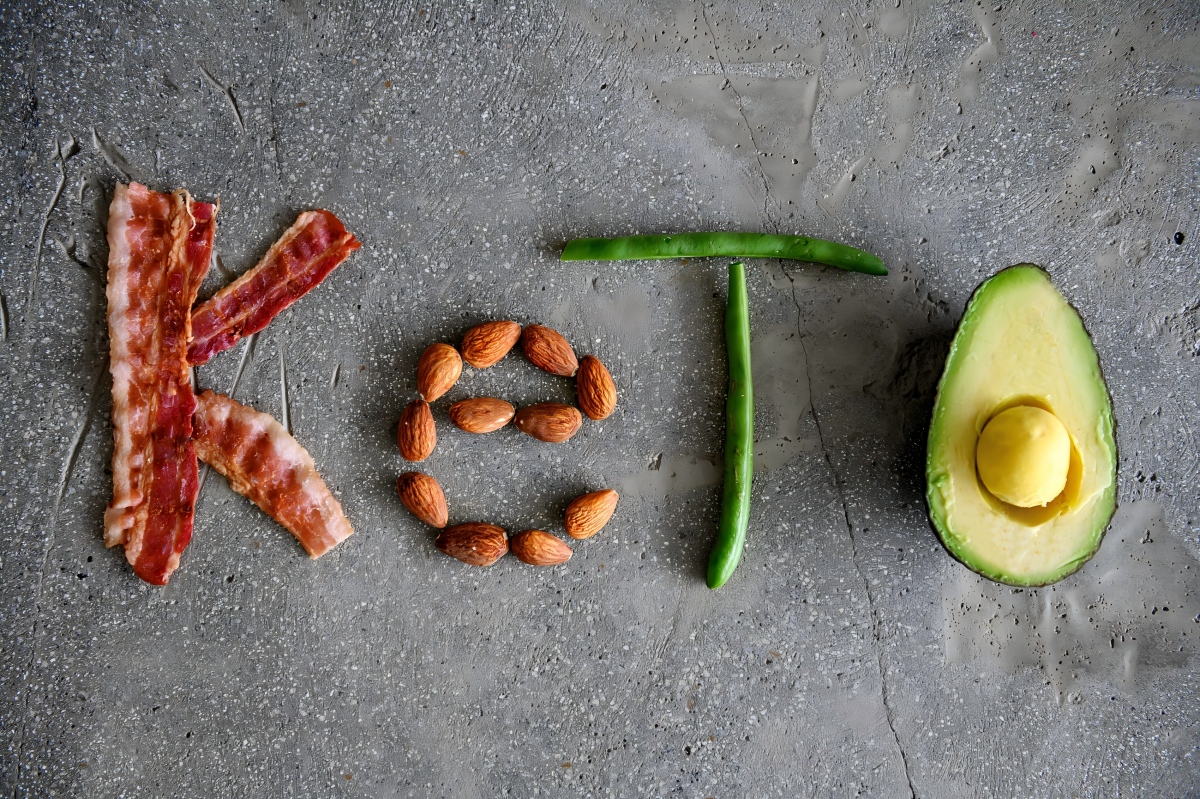

















In recent years, MCT oil (medium chain triglycerides) has set off a craze in the healthy diet circle, and is almost everywhere from bulletproof coffee to ketogenic diets. When purchasing MCT oil, the most commonly heard question is: "Is the higher the C8 caprylic acid content, the better?" This article will give you an in-depth analysis of the truth about the C8 content and provide you with optimal ratio recommendations for different application scenarios.
What is MCT oil? Why is the C8 so special?
MCT oil is a medium chain triglyceride extracted from coconut or palm kernel oil. Unlike ordinary long-chain fatty acids, MCTs can skip the complicated digestive process and enter the liver directly from the small intestine to be converted into ketone bodies, which can start to provide energy in just 30 minutes.
The MCT family mainly contains four fatty acids:
Type | carbon chain length | common name | Ketosis speed | Features |
C6 | 6 carbons | caproic acid | fastest | Strong gastrointestinal irritation, very few commercially available |
C8 | 8 carbons | Bitter | fastest | Brain energy is the most direct and the most expensive |
C10 | 10 carbon | Decanoic acid | Fast | Good exercise tolerance and high gastrointestinal receptivity |
C12 | 12 carbons | lauric acid | Slow (close to long chain) | Good antibacterial properties, but low conversion efficiency |
According to a human metabolism study published in "Frontiers in Nutrition", C8's ketone body production capacity is about 3 times that of C10, and 6 times that of C12. This is why C8 is regarded as the "golden ingredient" in MCT oil.
Is the higher the C8 content, the better? The truth may be different from what you think
The answer is: not necessarily. Each C8 content has advantages and disadvantages. The key lies in your purpose of use and body tolerance.
Advantages of pure C8
Pure C8 (octanoic acid content ≥95%) is the most efficient form of MCT for converting ketone bodies. For those seeking to maximize ketogenic effects, pure C8 is indeed the best choice. Research shows that taking 2-3 tablespoons of pure C8 daily can increase blood ketone levels to 0.5-1.0 mmol/L.
Disadvantages of pure C8
However, pure C8 is not suitable for everyone. Because C8 is metabolized very quickly, it is relatively irritating to the gastrointestinal tract. For people with sensitive gastrointestinal tracts or those who are using MCT oil for the first time, direct ingestion of high concentrations of C8 may easily cause diarrhea, nausea, borborygmus and other discomforts.
Advantages of C8/C10 Hybrid
C8 and C10 blended MCT oils (common ratios are 60:40 or 65:35) provide a more balanced choice. Although the metabolism of C10 is slightly slower than that of C8, the energy release is more sustained and is more friendly to the stomach. Many experts recommend starting with the C8/C10 hybrid, which is both stable and easy to absorb.
The best C8/C10 ratio for different application scenarios
1. Ketogenic diet and deep fat burning - Recommendation: pure C8 or C8≥80%
If you are following a strict ketogenic diet and want to quickly enter and maintain a state of ketosis, high-concentration C8 is the first choice. Pure C8 (C8 content ≥95%) can be converted into ketone bodies most quickly and efficiently.
Recommendations for use: Start with 5 ml per day and gradually increase to 15-20 grams of C8. It is recommended to drink after an overnight fast (on an empty stomach in the morning) for optimal ketogenic effects.
2. Daily health care and energy supplement - Recommended: C8:C10 = 6:4 or 65:35
For most users who are pursuing daily health and energy improvement, the golden ratio of C8:C10 of about 6:4 is the most ideal. This ratio not only provides rapid energy conversion, but also ensures continuous energy release, and is the most friendly to the stomach and intestines.
High-quality MCT oils on the market mostly use this ratio, with C8 accounting for 55%-65% and C10 accounting for 35%-45%. Doctors recommend a daily intake of about 5 grams at the beginning, and gradually increase it to 15 to 20 grams after getting used to it.
3. Sports Performance and Endurance Training - Recommendation: C8:C10 = 6:4
Sports people need to take into account both instant energy and battery life. The C8/C10 ratio of 60:40 can provide a "fast and slow combination" energy supply - C8 provides instant explosive power, and C10 ensures sustained energy release.
For quick energy replenishment before and after high-intensity training, this ratio has been proven to be effective in improving athletic performance.
4. Gut Health and SIBO (Small Intestinal Bacterial Overgrowth) – Recommendation: A higher C10/C12 ratio
This is a special application scenario. For people with SIBO or an extremely sensitive gut, the rapid metabolism of C8 may cause excessive irritation to the gut. This group of people should choose MCT oil with a higher proportion of C10 or C12 to reduce intestinal discomfort.
At the same time, C8 and C10 themselves have natural antimicrobial activity and can fight against specific intestinal pathogens. But for people whose guts are already sensitive, gentleness and gradualness are more important.
5. Antimicrobial and immune support - Recommended: a compound containing a higher proportion of C12
If you want to take advantage of the antimicrobial properties of MCT oil (such as against Candida albicans, Helicobacter pylori, etc.), you should choose a product that contains both C8, C10, and C12 with a higher proportion of C12. C12 (lauric acid) has excellent antibacterial effects although its conversion to ketone efficiency is low.
Key points when purchasing MCT oil
1. Read the ingredient label clearly
When purchasing, you should make sure that the product clearly indicates the ratio of C8 (Caprylic Acid) to C10 (Capric Acid). The higher the total of C8+C10, the better. Avoid products that are unclearly labeled or contain large amounts of C12.
2. Avoid the “Coconut Oil MCT” Trap
Although coconut oil contains MCT, the total of C8+C10 is less than 20%. The main component is C12 lauric acid (about 50%), and the ketone conversion efficiency is much lower than that of real MCT oil.
3. Choose physically fractionated, additive-free products
Give priority to products that are manufactured by physical molecular distillation and have no concerns about chemical residues. At the same time, it is confirmed that there are no artificial flavors added and the packaging is light-proof.
4. Start with a low dose
No matter which proportion of MCT oil you choose, it is recommended to start with 5 ml (about 1 teaspoon) per day and gradually increase after observing the body's reaction. Excessive intake may cause gastrointestinal upset.
Summary
The higher the C8 content, the better - although pure C8 has the highest ketone body production efficiency, it is also the most irritating to the gastrointestinal tract. Different application scenarios require different C8/C10 ratios:
Application scenarios | Recommended ratio | core considerations |
ketogenic diet | Pure C8 or C8≥80% | Maximize ketone body production |
Daily health care | C8:C10 = 6:4 | Balancing efficiency and tolerance |
sports performance | C8:C10 = 6:4 | Instant energy + battery life |
Sensitive bowel/SIBO | C10/C12 is higher | Reduce intestinal irritation |
Antimicrobial | Contains C12 compound | Maximize antibacterial effect |
When purchasing MCT oil, the most important thing is to choose the most suitable ratio based on your physical condition and usage goals, and start with a low dose and gradually increase the dosage. Remember: the most expensive may not be the most suitable, and the most powerful may not be best for you - only by finding your "golden ratio" can you truly unleash the health potential of MCT oil.