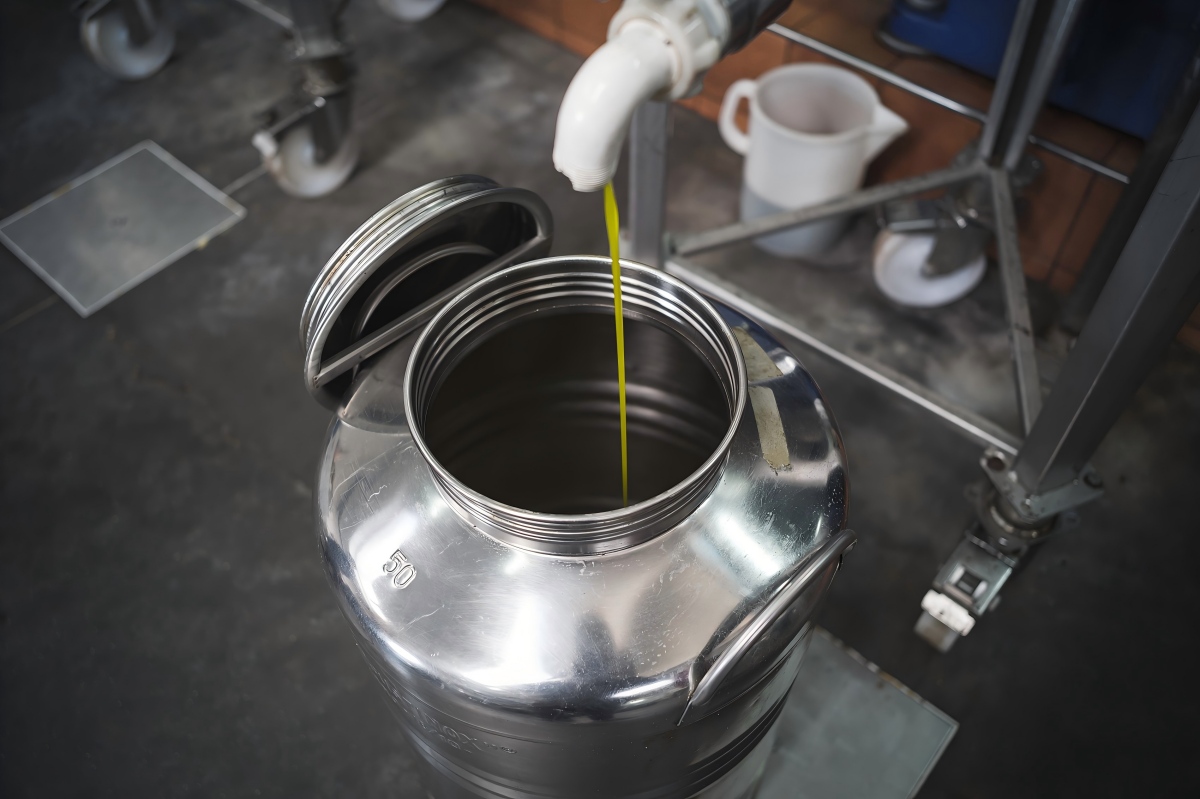

















Walking into the edible oil aisle of the supermarket, you will definitely be dazzled by the dazzling array of labels - "cold-pressed", "virgin pressed", "refined", "pure"... the various claims make it difficult to start. What is the difference between cold pressed oil and refined oil? Which one is healthier? Which one is better for your kitchen? This article will break down for you in detail the core differences between the two cooking oils in terms of processing technology, nutritional content, smoke point, flavor and shelf life, and help you make a wise choice.
What is cold pressed oil?
Cold Pressed Oil, as the name suggests, is oil extracted from oil seeds, nuts or fruits through physical and mechanical pressing without adding heat during the entire process. Cold pressing is usually carried out at temperatures below 50°C, and some high-quality cold pressed oils even control the temperature below 40°C.
Cold pressing is a traditional oil-making process that has been going on for hundreds of years. After simple cleaning, peeling and other pre-processing, the oil is directly squeezed out through the pressing equipment. The squeezed crude oil has fewer impurities and a low acid value. Generally, it does not require refining. It can become finished oil after precipitation and filtration.
Common cold pressed oils include: extra virgin olive oil, cold pressed sesame oil, cold pressed coconut oil, cold pressed flaxseed oil, cold pressed peanut oil, etc.
What is refined oil?
Refined oil is edible oil that has been processed through a series of industrial processing procedures. Crude oil can be obtained by cold pressing or extracted by hot pressing or solvent extraction. No matter which way the crude oil comes from, it must go through multiple refining processes:
Degumming: removing gum and phospholipids from oil
Deacidification: neutralize free fatty acids (chemical neutralization with caustic soda, or physical deacidification with steam)
Depigmentation: Removes pigments to make oil clear
Deodorization: removes odors and makes oil smell neutral
During the refining process, the oil is heated to over 200°C and treated with steam during the deodorization step.
Common refined oils include: refined soybean oil, refined sunflower oil, refined rapeseed oil, refined corn oil, etc.
The core difference between cold pressed oil and refined oil
1. Essential differences in processing technology
Contrast Dimensions | Cold pressed oil | Refined oil |
Extraction method | Physical and mechanical pressing without using chemical solvents | Can be pressed or solvent extracted, chemical treatment required |
Processing temperature | Below 50°C, low temperature treatment | High temperature treatment, up to 200°C or above |
chemical additives | No use of chemical solvents and additives | Use of chemicals such as caustic soda and solvents |
Subsequent processes | Only sedimentation and filtration are required | Requires multiple processes such as degumming, deacidification, decolorization, and deodorization |
Cold pressing is a gentle physical process that retains the natural components of the oil to the greatest extent; while refining is an industrialized deep processing aimed at standardizing the oil, extending its shelf life, and improving its heat resistance.
2. Huge gap in nutritional content
Because they are processed in completely different ways, the nutritional content of the two oils differs significantly.
Cold-pressed oil retains richer natural nutrients:
Vitamin E (Tocopherol)
Phytosterols
polyphenols
carotenoids
Phospholipids
Research shows that cold-pressed oil retains significantly higher levels of unsaturated fatty acids, antioxidants, vitamins, and other bioactive compounds than refined oil. The unsaponifiable matter content in cold-pressed oil is approximately 2.5 times that of refined sesame oil.
Refined oils lose a lot of nutrients during processing. The refining process results in a significant reduction in bioactive substances such as phytosterols and tocopherols. Water-soluble materials and steam volatile materials are removed or reduced during the refining process. However, it is worth noting that refining has no significant impact on the fatty acid composition of oils - that is to say, there is not much difference in the types and proportions of fatty acids between cold-pressed oil and refined oil, and the difference is mainly reflected in micronutrients.
3. The difference in smoke point is huge.
The smoke point is the temperature at which cooking oil starts to smoke when heated, and is an important indicator of the heat resistance of oil.
Cold pressed oil has a lower smoke point (usually around 160-190°C). Because unrefined oil retains more natural compounds, these substances tend to break down when heated. For example, cold-pressed virgin olive oil has a smoke point of approximately 190°C.
Refined oil has a higher smoke point (up to over 220-230°C). The refining process removes impurities and heat-sensitive substances from the oil, making the oil more stable. The smoke point of refined soybean oil and peanut oil can be increased from about 160°C of crude oil to over 230°C.
Simply put: the higher the degree of refining, the higher the smoke point; the higher the degree of cold pressing, the lower the smoke point.
4. Sharp contrast between flavor and appearance
Cold-pressed oil retains the natural flavor and color of the oil itself. Depending on the ingredients, the color of cold-pressed oil can range from pale yellow to dark green, orange-red or even brown, and the smell and taste can range from mild to very strong.
Refined oil has a uniform light yellow color and a very neutral odor and taste. This is because the decolorization and deodorization processes during the refining process remove the original pigments and flavor substances of the oil.
5. Differences in shelf life and oxidative stability
Cold pressed oil has a shorter shelf life. Cold-pressed oils are more susceptible to oxidative rancidity because they retain more natural ingredients and are not refined. Cold-pressed oil has lower oxidation stability in the Rancimat test (5.08 hours) than refined oil. The peroxide value and acid value, two indicators that reflect the degree of oxidation of oil, are almost five times higher in cold-pressed oil than in refined oil.
Refined oil has a longer shelf life. The refining process removes impurities and trace ingredients that promote oxidation, making the oil more stable and more shelf-stable.
6. Differences in price and output
Cold-pressed oil has a lower oil yield and higher production costs, so cold-pressed oil is usually more expensive. Refined oil has high oil yield, low production cost and more affordable price, making it the daily choice of most families.
How to choose: cold pressed oil or refined oil?
Which oil you choose depends on your cooking style and health needs.
Suitable situations for using cold pressed oil:
Cold salad: Cold-pressed oil has a rich natural flavor and can enhance the taste of the dish.
Low-temperature cooking: stir-fry over low heat, cook over low heat
Eat directly: drizzle over cooked meals, dip into bread
Pursuing maximum nutritional retention: wishing to consume more natural antioxidants and vitamins
Cold pressed oil is not suitable for high temperature frying. When the oil temperature exceeds the smoke point, the chemical composition of the oil will change, which not only destroys nutrients but may also produce harmful substances.
Suitable situations for using refined oil:
High-temperature cooking: frying, frying, grilling
Daily stir-fry: Home-style quick stir-fry requires a certain degree of heat resistance
Baking: Pastry making requires high-temperature resistant fats
Pursuing cost-effectiveness: Refined oil is more affordable and suitable for daily use in large quantities
It should be noted that no one oil is suitable for all cooking needs. The best strategy is to choose different oils for different cooking methods—cold-pressed oils for cold dishes and refined oils for high-temperature cooking.
Common misunderstandings clarified
Myth 1: Cold-pressed oil must be healthier than refined oil
Not exactly. Cold-pressed oils do retain more micronutrients, but the overall health value of the oil also depends on the fatty acid profile. Cold-pressed coconut oil, while unrefined, is still high in saturated fat, while refined canola or sunflower oil may have a more favorable ratio of unsaturated fatty acids. The composition of the fatty acids is more important than the “refined or not” label.
Myth 2: Refined oil contains harmful chemicals
Refined edible oil produced by regular manufacturers is subject to strict food safety supervision, and refined edible oil is safe and edible. Although the refining process removes some nutrients, it also removes undesirable ingredients that may affect shelf life and taste.
Myth 3: Cold-pressed oil cannot be heated at all
Cold-pressed oils can be used for low- to medium-heat cooking, just not for high-temperature frying. Good quality cold-pressed virgin olive oil can even be used for cooking and frying. The key is to control the oil temperature and not exceed the smoke point of the oil.
Summary
Cold-pressed oil and refined oil each have their own advantages and disadvantages, and there is no absolute "good" or "bad":
Cold-pressed oil: Mild process, rich in nutrients, rich in flavor, but with low smoke point, short shelf life and high price - suitable for cold dressing and low-temperature cooking
Refined oil: mature technology, high smoke point, long shelf life, affordable price, but high nutritional loss, neutral flavor - suitable for high-temperature cooking
The rational choice is to use two types of oils according to different cooking needs: cold-pressed oil for cold and low-temperature cooking to obtain more nutrients, and refined oil for frying and high-temperature cooking to ensure safety and stability. Both qualities have pros and cons, and choosing the best oil based on the product and intended use is the smartest thing to do.