















Today, as vegetarian or vegan diets become more and more popular, many people worry about whether not eating fish will lead to DHA deficiency. The answer is: Vegetarians can get enough DHA as long as they use the right methods. But understanding why DHA is essential and how to obtain it efficiently from plant-based sources is key knowledge that every vegetarian should master.
Why is DHA so important for health?
DHA (docosahexaenoic acid) is a long-chain omega-3 polyunsaturated fatty acid that is far more important to the human body than most people imagine:
Brain development and function: DHA accounts for about 20% of the fatty acids in the cerebral cortex. From fetal life to adulthood, adequate DHA helps maintain memory, learning ability, and emotional stability. Research shows that low DHA levels are associated with an increased risk of cognitive decline, difficulty concentrating, and even depression.
Vision protection: The retina is extremely high in DHA, which is essential for the normal functioning of photoreceptor cells. A lack of DHA may lead to blurred vision, dry eye, or an increased risk of age-related macular degeneration.
Key role during pregnancy and infancy: DHA deficiency in pregnant women may affect fetal nervous system development and is even associated with the risk of premature birth.
Cardiovascular health: DHA helps lower triglycerides, regulate blood pressure, and reduce inflammation.
Simply put: Without enough DHA, your brain, eyes, and heart can't work properly.
DHA Challenges for Vegetarians
Most DHA-rich foods come from the ocean—fish like salmon, sardines, tuna, and fish oil. Fish do not produce DHA themselves; they accumulate this fatty acid by eating algae. This gives vegetarians a natural solution: eat algae-derived DHA directly.
Another common myth: Flax, chia, walnuts, and canola oil provide alpha-linolenic acid (ALA) that can be converted into DHA in the body. But the conversion rate is very low (usually less than 5%) and is significantly affected by age, gender, genes and the proportion of omega-6 in the diet. Reliance entirely on ALA to meet DHA needs is likely to result in a deficiency.
5 Effective Ways for Vegetarians to Ensure Enough DHA
1. Take algae oil DHA supplements (the most direct and reliable)
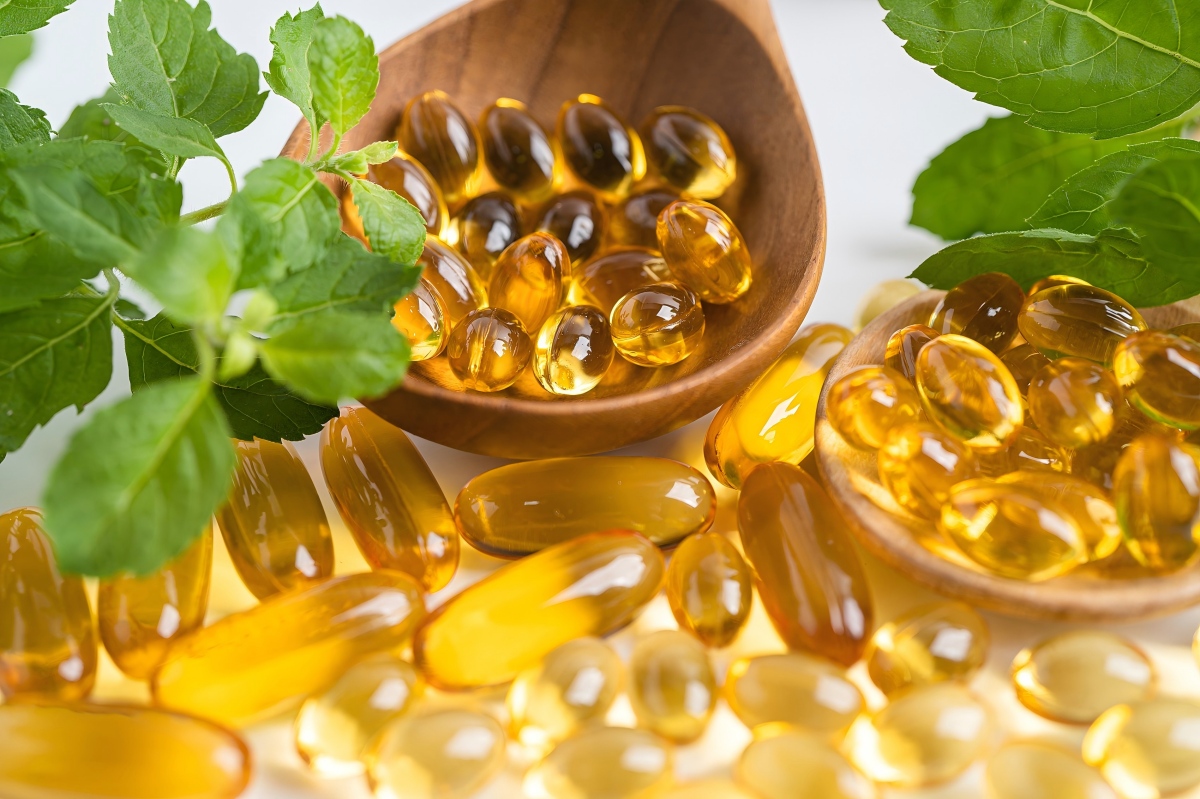
Microalgae are the original producers of DHA. Algae oil DHA supplement is vegan, has no fishy smell, and does not contain marine pollutants. The recommended daily intake is 200-500 mg (adults); 300-600 mg is recommended for pregnant or breastfeeding women. When choosing a product, check the label to make sure it's clearly labeled "vegan" or "vegetable DHA," and pay attention to whether it also contains EPA (another important omega-3, also added to some algae oils).
2. Consume ALA sources reasonably and optimize conversion efficiency
Although the conversion rate is low, ALA itself has independent health benefits. Consume 1-2 tablespoons of ground flaxseed (freshly ground is better), chia seeds, hemp seeds or an appropriate amount of walnuts every day, and pay attention to the following points:
Reduce the amount of omega-6 sources (such as corn oil, soybean oil, sunflower oil) because high omega-6s will compete with invertase.
Ensure sufficient vitamins B6, B9 (folic acid), B12, zinc, and magnesium. These nutrients assist the transformation process.
Roasting or grinding the seeds can increase absorption.
3. Choose fortified foods
Algae oil DHA is now added to plant milks (soy milk, oat milk), plant yogurt, margarine and even fruit juices. Check the nutrition facts list when purchasing to make sure it contains at least 30-50 mg of DHA per serving. This is a convenient way to steadily increase your intake.
4. If you eat eggs, choose free-range eggs with high DHA
For lacto-ovo vegetarians, some eggs from algae-fed hens can contain 100-150 mg of DHA each. This is equivalent to one serving of fish oil. Look for "omega-3-rich" or "algae-fed" eggs in the supermarket.
5. Test blood levels if necessary
If you are planning a pregnancy, have chronic fatigue, feel depressed, or have difficulty concentrating, you can test the percentage of DHA (Omega-3 index) in your red blood cells. The ideal value is above 8%. This can help you determine whether your current dietary strategy is adequate.
FAQ
Q: I eat a lot of flaxseeds, do I still need to take algae oil?
Yes. For most people, ALA alone cannot achieve optimal levels of DHA in the body. Algae oil is a simple safeguard to ensure adequate supply.
Q: Do vegetarian children and pregnant women need more DHA?
need. Children's brains develop rapidly, and pregnant women need to meet the needs of both themselves and their fetus. These two groups of people are strongly recommended to supplement algal oil DHA daily (consult a doctor or nutritionist for specific dosage).
Q: Is it safe to consume algae oil for a long time?
Algae oil has been proven by multiple studies to be very safe at recommended doses. The risk of heavy metals from clean sources is extremely low. Just make sure to choose a brand that has no additives or peroxides.
Summary: Vegetarians can no longer worry about DHA
Remember the key principle: don't rely on inefficient conversion, get preformed DHA directly. Algae oil supplements are the easiest and most scientific option; fortified foods and specific eggs serve as supplements; flaxseeds, etc. provide additional omega-3 benefits but cannot replace DHA itself. By spending a few minutes planning your meals, you can enjoy the environmental and ethical advantages of a vegetarian diet while having a sharp brain, clear eyes, and a strong heart.