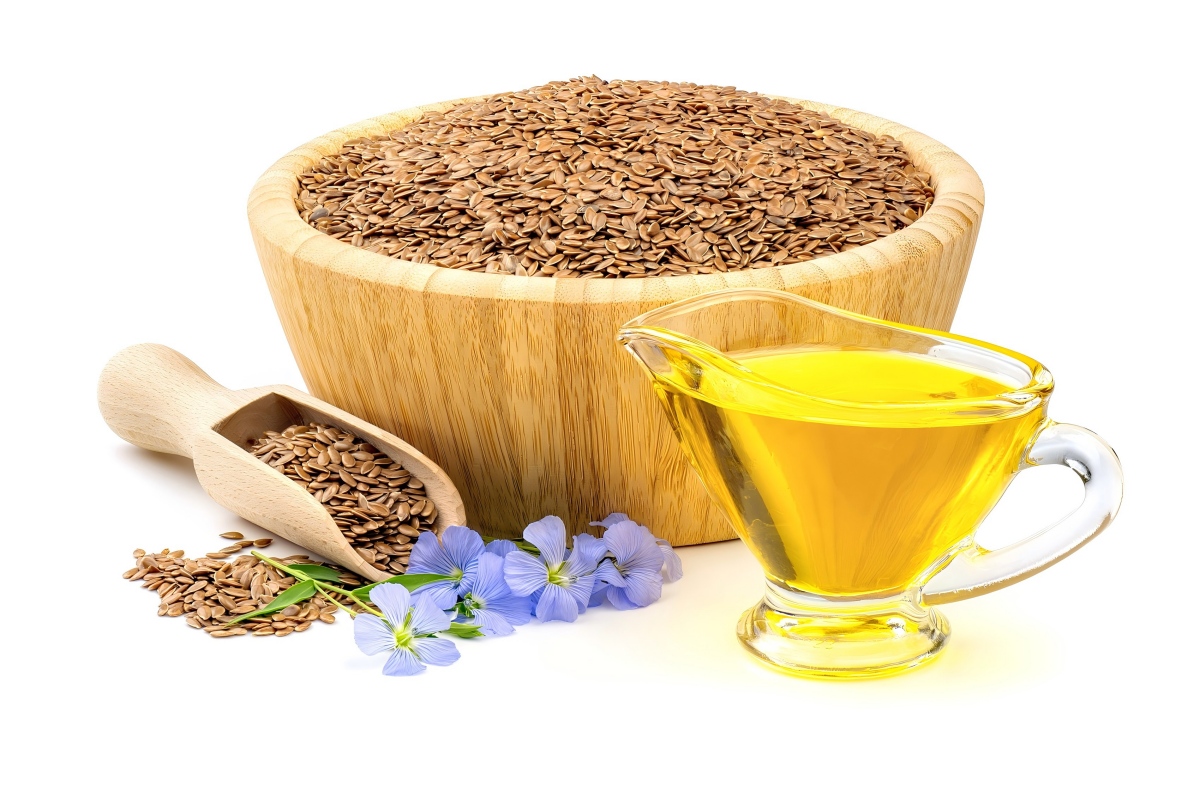

















Gamma-Linolenic Acid (GLA) is an Omega-6 essential fatty acid that has attracted much attention. Unlike common pro-inflammatory Omega-6, GLA can be converted into substances with anti-inflammatory effects in the body, which can have a positive impact on a variety of health problems. So, in which natural oils does gamma-linolenic acid mainly exist? What scientifically proven effects does it have? This article will explain it to you in detail.
In which oils does γ-linolenic acid (GLA) mainly exist?
The content of GLA in common edible oils is very low, and it is mainly concentrated in a few specific vegetable oils. Here are some sources of oils with the highest GLA content:
1. Evening primrose oil
Evening primrose oil is the most classic source of GLA, with a GLA content of approximately 8%-10%. The oil obtained by cold-pressing evening primrose seeds has long been used to relieve premenstrual discomfort and skin inflammation in women.
2. Borage oil
Borage oil is the natural oil with the highest GLA content known, with the content reaching as high as 20%-26%. The concentration of GLA in borage oil is 2-3 times that of evening primrose oil, so the supplementation efficiency is higher.
3. Blackcurrant seed oil
Blackcurrant seed oil contains about 15%-19% GLA, and is also rich in gamma-linolenic acid and alpha-linolenic acid (ALA), which has the advantages of Omega-6 and Omega-3.
4. Hemp seed oil
Hemp seed oil (hemp seed oil) contains approximately 3%-4% GLA and provides an ideal ratio of Omega-6 to Omega-3 (approximately 3:1), making it suitable for daily dietary supplements.
5. Spirulina
Although it is not classified as oil, spirulina also contains a small amount of GLA (about 1%). For vegetarians, spirulina can be used as a secondary source of GLA.
6. Other trace sources
Trace amounts of GLA are also present in some fungal oils (such as Mucor oil) and some wild berry seed oils, but they have not yet been commercialized.
Five core functions of γ-linolenic acid (GLA)
GLA exerts a wide range of physiological regulatory effects by affecting the synthesis of prostaglandins and interleukins in the body. The following are its main functions:
1. Significantly anti-inflammatory and relieve chronic inflammation
GLA is converted into dihomo-γ-linolenic acid (DGLA) in the body, which can generate prostaglandin E1 (PGE1) with anti-inflammatory effects and inhibit pro-inflammatory factors. Research shows that supplementing GLA can help improve chronic inflammatory diseases such as rheumatoid arthritis and atopic dermatitis.
2. Improve skin health and deal with eczema and acne
GLA is an important component of ceramide in the stratum corneum of the skin, which can strengthen the skin barrier and reduce water loss. Multiple clinical trials have confirmed that evening primrose oil or borage oil supplementation can reduce itching and erythema in atopic dermatitis (eczema) while regulating sebum production, and can also help with mild to moderate acne.
3. Relieve premenstrual syndrome (PMS) and breast tenderness
GLA can regulate the balance of prolactin and prostaglandins in women, thereby reducing premenstrual mood swings, bloating, headaches and breast tenderness. One study of women with PMS found that taking daily GLA supplements (in the form of evening primrose oil) for 6 months significantly improved symptoms in more than 60% of participants.
4. Supports hormonal balance and menopausal health
By regulating prostaglandin pathways, GLA helps maintain normal hormonal signaling. In menopausal women, GLA may reduce the frequency of hot flashes and mood swings.
5. Maintain neurological and cardiovascular functions
Although GLA is an Omega-6, it does not promote blood clots or constrict blood vessels. On the contrary, GLA can improve the health of nerve myelin and, when combined with Omega-3 (EPA/DHA), help lower blood pressure and improve blood lipid profiles (lower LDL, increase HDL).
How to supplement GLA scientifically? Things to note
Recommended dosage: 300-500mg GLA per day for general health care; for specific diseases (such as eczema, arthritis), it can be increased to 1-2g per day. It is recommended to use it under the guidance of a doctor.
Pairing suggestions: Take it with magnesium, zinc, vitamin B6 and Omega-3 (fish oil or flaxseed oil) to improve GLA conversion efficiency.
Safety and side effects: GLA is generally very safe. A very small number of people may experience mild gastrointestinal discomfort or headache. Pregnant women, patients with epilepsy, or those taking anticoagulant drugs should consult a doctor before use.
Summary
Gamma-linolenic acid (GLA) is mainly found in specialty oils such as borage oil, evening primrose oil, blackcurrant seed oil, and hemp seed oil. It has multiple health benefits such as anti-inflammatory, improving skin, relieving premenstrual syndrome, and supporting hormonal balance. When choosing a GLA supplement, give priority to high-content borage oil or cost-effective evening primrose oil. By properly supplementing with this special Omega-6 fatty acid, you can bring about positive changes in your body from the inside out.