
















During pregnancy, you'll hear a lot about the importance of folic acid and iron. But there is a nutrient - DHA, which is often overlooked, but is a "super fuel" for fetal brain and vision development.
So, how much DHA do pregnant women need? Why do doctors and nutritionists emphasize the need to supplement DHA during pregnancy?
What is DHA? Why is it important for pregnant women?
DHA (docosahexaenoic acid) is a long-chain Omega-3 polyunsaturated fatty acid. It is the main structural component of the human cerebral cortex (which accounts for 40% of brain fat) and retinal photoreceptor cells.
1. Core role in fetal brain and nervous system
During the third trimester (last trimester), the fetal brain grows nearly five times in size. DHA is actively transported into the fetus through the placenta and directly participates in the formation of neuronal connections. Studies have shown that children of mothers who consumed adequate DHA during pregnancy scored higher on tests of cognitive ability and problem-solving.
2. Promote vision development
DHA is the main fatty acid in the retinal photoreceptor cell membrane. If a pregnant woman is deficient in DHA, it may affect the visual maturity of the fetus, resulting in decreased visual sensitivity in the future.
3. Reduce the risk of premature birth and improve maternal health
A comprehensive analysis published in the journal "Prostaglandins, Leukotrienes and Essential Fatty Acids" pointed out that DHA supplementation during pregnancy can reduce the risk of early preterm birth (<34 weeks) by approximately 42%. In addition, DHA can also help relieve depression during pregnancy and reduce the risk of high blood pressure during pregnancy.
How much DHA should pregnant women supplement?
This is the core question. The recommendations of different authoritative organizations vary slightly, but the industry consensus is very clear:
International Society for the Study of Fatty Acids and Lipids (ISSFAL): It is recommended that pregnant and lactating women consume at least 200 mg of DHA per day.
World Health Organization (WHO): It is recommended that pregnant women consume 300 mg of long-chain Omega-3 fatty acids (including DHA + EPA) every day.
European Food Safety Authority (EFSA): It is recommended that pregnant women consume an additional 100-200 mg of DHA, which is higher than the basic needs of ordinary adults.
Comprehensive suggestions:
For most pregnant women, daily supplementation with 200-300 mg of DHA is the gold standard for safety and effectiveness. Please note that this refers to the dose of pure DHA, not the total weight of fish oil.
How to meet DHA needs through diet and supplements?
Food sources rich in DHA
Theoretically, DHA is found in deep-sea fish and seafood, such as:
Salmon (approximately 1.2 grams of DHA per 100 grams)
herring, anchovies
oyster
Important safety warning: Avoid eating high-mercury fish such as shark, swordfish, and bigeye tuna during pregnancy. Mercury can damage the fetal nervous system. It is recommended to eat low-mercury, high-DHA fish (such as salmon, sardines) 2-3 times a week.
Why are algae oil DHA supplements recommended?
For pregnant women who don't like to eat fish or are worried about ocean pollution, algae oil DHA is the best choice:
Pure and pollution-free: Algae are cultivated in closed fermentation tanks to completely avoid mercury, dioxins and PCB (polychlorinated biphenyls) pollution.
Vegan source: no fishy smell, more acceptable.
High bioavailability: Algae oil DHA has the same molecular structure as the DHA in breast milk, and has excellent absorption rate.
Frequently Asked Questions (FAQ)
Q: The multivitamin for pregnant women I take contains DHA, do I need to take additional supplements?
A: Please check the label. Many multivitamins for pregnant women contain only small amounts of DHA (for example, 50-100 mg). If the total amount is less than 200mg, additional pure DHA supplements are recommended.
Q: What is the difference between DHA and EPA? Do you need EPA during pregnancy?
A: DHA is a structural substance used to build the brain and retina; EPA is a functional regulator that helps with anti-inflammatory and cardiovascular health. DHA should be the main diet during pregnancy, but a small amount of EPA (usually a 2:1 or 5:1 ratio) is also beneficial. Pure DHA algal oil is sufficient, but fish oil containing a small amount of EPA is also acceptable.
Q: Can I start supplementing with DHA in early pregnancy?
A: Yes. Although the brain develops rapidly in the third trimester, DHA should begin to accumulate during pregnancy preparation and early pregnancy. Continuous supplementation is recommended throughout pregnancy and lactation.
Summary: Invest in your baby's brain
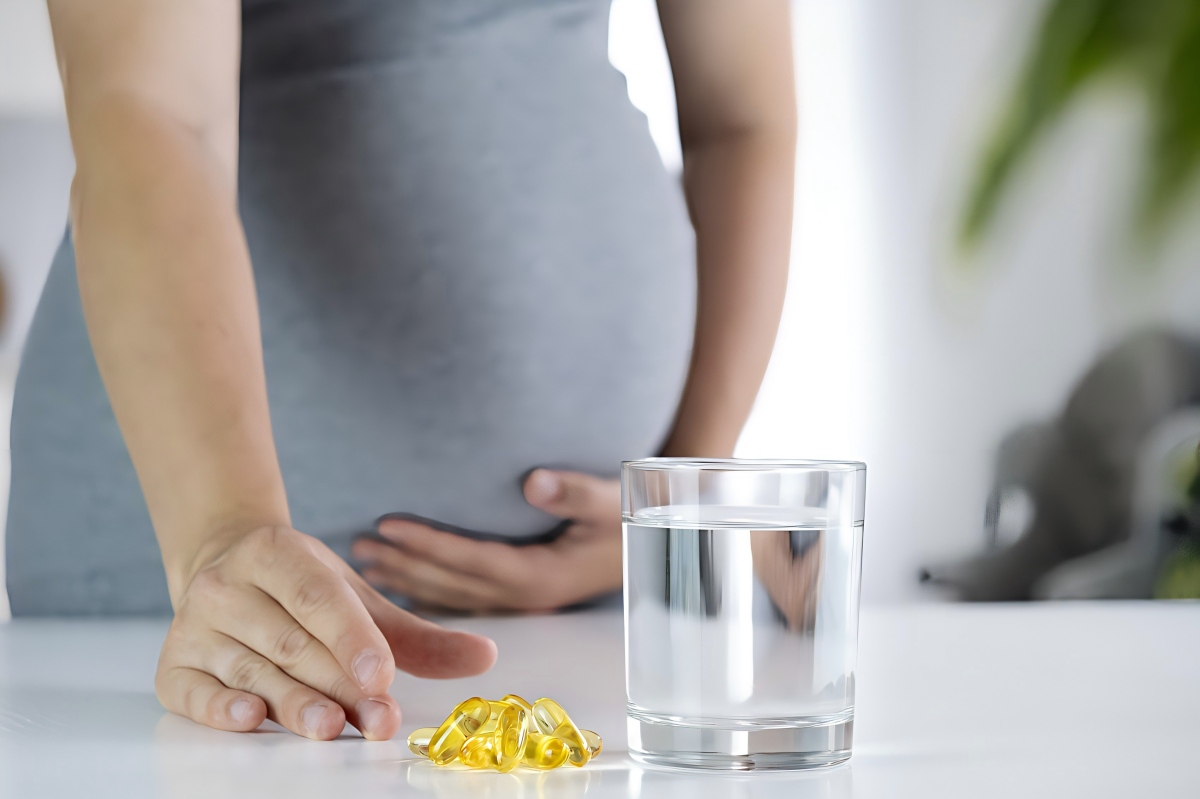
Supplementing adequate amounts of DHA (200-300mg daily) is one of the smartest nutritional decisions you can make during pregnancy. Not only does it support fetal brain development and vision health, it also protects you from the risk of premature birth.
Action steps:
Check the DHA content of your current pregnancy vitamin.
If it is insufficient, choose an algae oil DHA supplement that is third-party tested and certified (such as IFOS, the International Fish Oil Standard).
Safely eat low-mercury fish 2 times a week.
Disclaimer: This article is for educational purposes only and is not intended as medical advice. Before changing any supplement regimen, consult your obstetrician or registered dietitian.