















Since vegetarians do not consume fish and other seafood, they do need to pay special attention to the supplement of EPA and DHA. These two Omega-3 fatty acids are essential for brain, nervous system and cardiovascular health. Here are detailed supplement strategies and considerations:
1. Understand key concepts
EPA (eicosapentaenoic acid) and DHA (docosahexaenoic acid): Mainly found in fish and seaweed, they are vital to human health.
ALA (alpha-linolenic acid): Found in plants (such as flax seeds, chia seeds), the human body can convert it into EPA and DHA, but the conversion rate is low (usually less than 10%).
2. Plant Food Sources
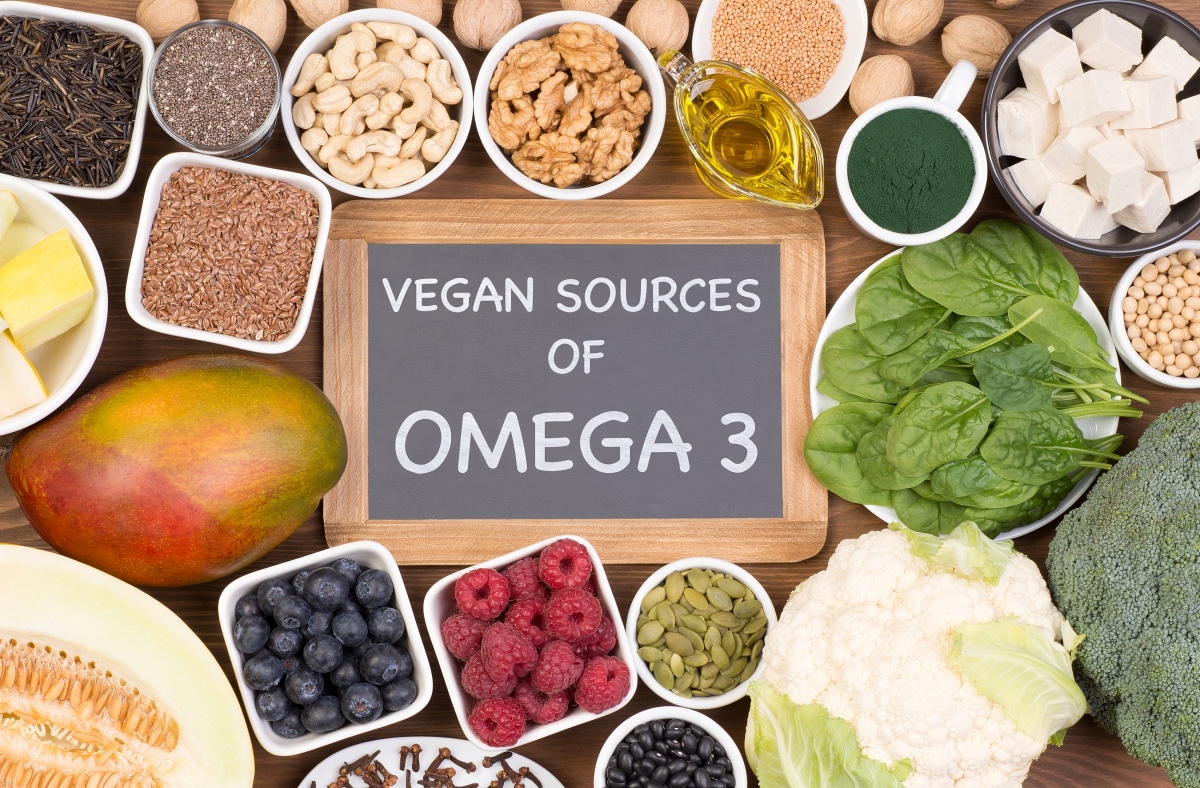
ALA-rich foods (increase basal intake):
Flaxseed and flaxseed oil: 1 tablespoon (about 10 grams) per day provides about 2.2 grams of ALA.
Chia seeds: 15 grams per day provides approximately 3 grams of ALA.
Walnuts: 30 grams per day provides approximately 2.5 grams of ALA.
Canola oil and soybean oil: can be used in moderation when cooking.
Sources of Direct Supplementary EPA/DHA:
Seaweed oil supplement: Extracted directly from marine microalgae, it is the best choice for vegans to obtain EPA/DHA. When choosing, check the label to make sure the dosage is appropriate for your daily needs (250-500 mg of EPA+DHA per day is usually recommended).
3. Optimize conversion efficiency
Lower your Omega-6 intake:
Reduce Omega-6-rich oils such as corn oil and sunflower oil to avoid competition for invertase and increase the conversion rate of ALA to EPA/DHA.
Guaranteed Nutritional Synergy:
Make sure you get enough vitamins B6, B12, zinc, and magnesium (which can be supplemented through whole grains, beans, and nuts). These nutrients are involved in the conversion process.
Avoid trans fatty acids:
Trans fats in processed foods inhibit the conversion of Omega-3s.
4. Targeted supplementary suggestions
Average adult vegetarian:
Get enough ALA daily through food, and consider an algae oil supplement (approximately 250-300 mg DHA) 2-3 times per week.
Pregnant women, lactating women and infants:
DHA is essential for fetal and infant brain development. It is recommended to supplement adequate amounts of seaweed oil DHA (usually at least 200-300 mg per day) under the guidance of a doctor.
People at high risk of cardiovascular disease:
A higher dose of EPA+DHA may be needed, and you need to consult your doctor to formulate a plan (some algae oil supplements contain both EPA and DHA).
5. Things to note
Regular testing:
Get to know your condition by testing your blood for Omega-3 index (ideal level should be >8%).
Choose reliable supplements:
Choose third-party certified products (such as IFOS, USP certification) that have been tested for heavy metals and contaminants.
Balance your overall diet:
Vegetarians also need to pay attention to the comprehensive balance of protein, iron, calcium, vitamin B12 and other nutrients.
6. Example daily plan
Breakfast: Chia seed pudding (15g chia seeds) + chopped walnuts.
Lunch: Salad with flaxseed oil (5 grams of flaxseed oil).
Dinner: Soy dishes + dark green vegetables.
Supplements: 1 algae oil capsule daily (contains 250 mg DHA).
By properly combining plant-based ALA sources and directly supplementing seaweed oil, vegetarians can fully meet their EPA/DHA needs. If necessary, they can consult a registered dietitian to develop a personalized plan.