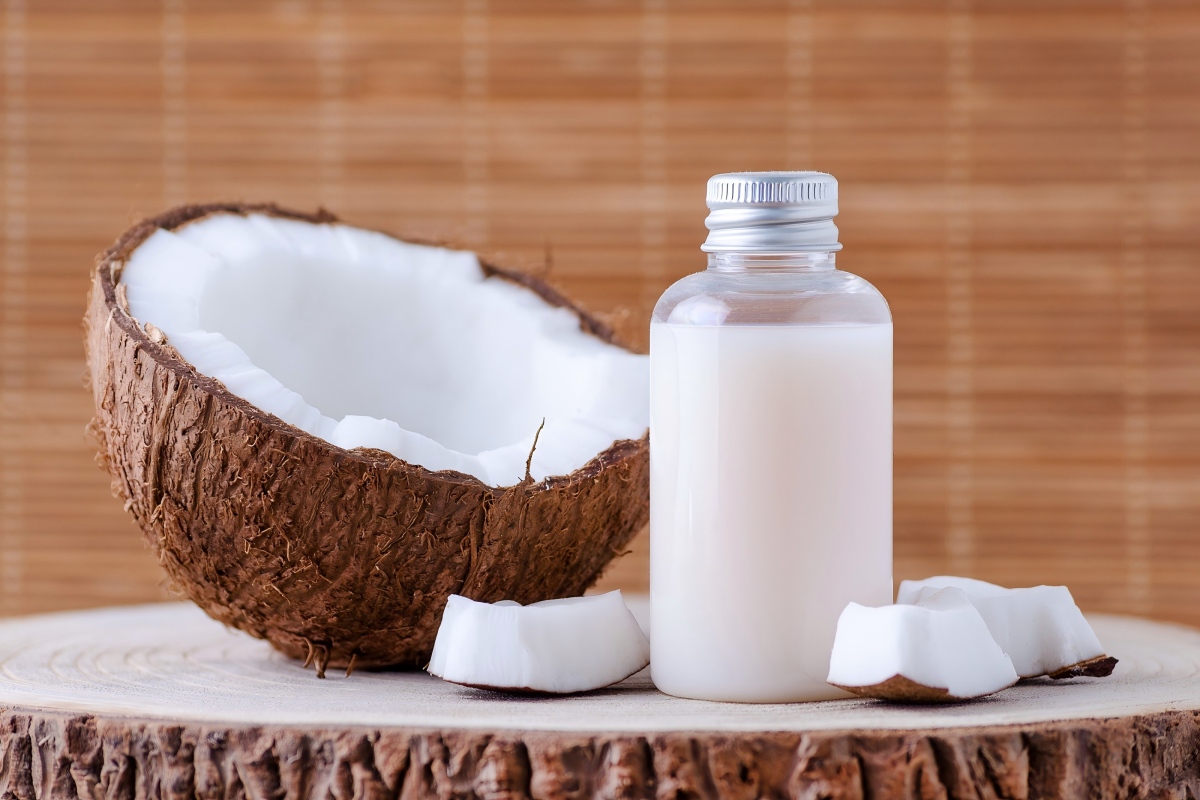

















Coconut oil and MCT oil are closely related but also significantly different. Simply put: coconut oil is a natural plant oil, while MCT oil is typically refined from coconut oil (or palm kernel oil), containing only specific portions of the oil.
Below is a detailed comparison and explanation:
Coconut Oil
Source and Composition:
A natural oil obtained by cold pressing or extraction from coconut meat. It is a mixture with a very rich composition.
Main Fatty Acid Composition:
Medium-chain triglycerides: Approximately 54%-62%, but the content of truly "high-efficiency" MCTs (C8 and C10) is not high.
Lauryl acid: Approximately 45%-52%, the most abundant component of coconut oil. Chemically, it belongs to the medium-chain fatty acid category, but its metabolic pathway is more like that of long-chain fatty acids, requiring a longer time to convert to ketone bodies.
Capric acid: Approximately 6%-7%.
Capric acid: Approximately 5%-9%.
Long-chain triglycerides: Approximately 40%, such as oleic acid and linoleic acid.
Characteristics:
Natural Form: Retains the coconut flavor and some natural nutrients (such as Vitamin E, polyphenols, etc.).
Medium Smoke Point: Extra virgin coconut oil has a smoke point of approximately 177°C, suitable for medium to high-temperature cooking.
Room Temperature State: Solidifies into a white solid below 24°C.
Main Uses:
Cooking, baking, skincare, haircare, etc.
MCT Oil
Source and Composition:
Extracted from coconut oil or palm kernel oil through a fractional distillation process, containing only pure medium-chain fatty acids.
Main Fatty Acid Composition:
Contains only 100% MCT, typically a mixture of caprylic and capric acids.
Common Types:
C8: Caprylic Acid - Considered the fastest and purest in terms of energy conversion, rapidly producing ketones, potentially resulting in lower gastrointestinal discomfort.
C10: Capric Acid - Also converts energy quickly, but slightly slower than C8.
Mixed Type: A mixture of C8 and C10, the most common type of MCT oil on the market. C12: Lauric Acid - Due to its metabolic properties, high-quality MCT oil typically contains little or no lauric acid.
Characteristics:
Colorless and Odorless: Highly refined, with no coconut flavor.
Highly Absorbed: Small molecules allow for direct absorption without bile or pancreatic enzymes. It enters the liver via the portal vein and is rapidly metabolized into ketone bodies for energy, without being stored as fat.
Clear Liquid: Liquid at room temperature and does not solidify at low temperatures.
Extremely Low Smoke Point: Generally not used for high-temperature cooking; better suited for direct consumption, adding to hot or cold beverages, or drizzling over food.
Main Uses:
Quick energy boost, ketogenic diet support, cognitive function support, sports nutrition, added to coffee/smoothies.
Key Differences Summary
Characteristics | Coconut oil | MCT Oil |
Essence | Natural full-spectrum oil | Artificially refined oil |
Ingredients | Approximately 50-60% MCT (mainly lauric acid) + long-chain fatty acids | 100% MCT (primarily C8/C10) |
State | Solidates at low temperatures | Always remains liquid |
Taste | Rich coconut flavor | Easily odorless |
Metabolic Rate | Slower cooking time (due to lauric acid and long-chain fatty acids) | Extremely fast (C8/C10 provides direct energy) |
Ketone Formation | Mild and slow-cooking | Intense and rapid |
Cooking Uses | Suitable for medium to high temperature cooking | Not suitable for high-temperature cooking (low smoke point) |
Price | Relatively inexpensive | Relatively expensive |
How to Choose?
Choose coconut oil if you: value natural ingredients, enjoy the coconut flavor, primarily use it for daily cooking and baking, or desire other natural components besides MCT, and do not prioritize the fastest energy metabolism.
Choose MCT oil if you are: on a strict ketogenic diet and need a rapid increase in blood ketone levels; want a quick boost of mental/physical energy; want to add it to coffee or beverages without affecting flavor; or have difficulty digesting long-chain fats.
Important Note: Whether using coconut oil or MCT oil, start with small amounts to allow your body to adjust. Avoid consuming too much at once, which can cause diarrhea or gastrointestinal upset. For first-time users, it is recommended to start with 5 ml (about one teaspoon).