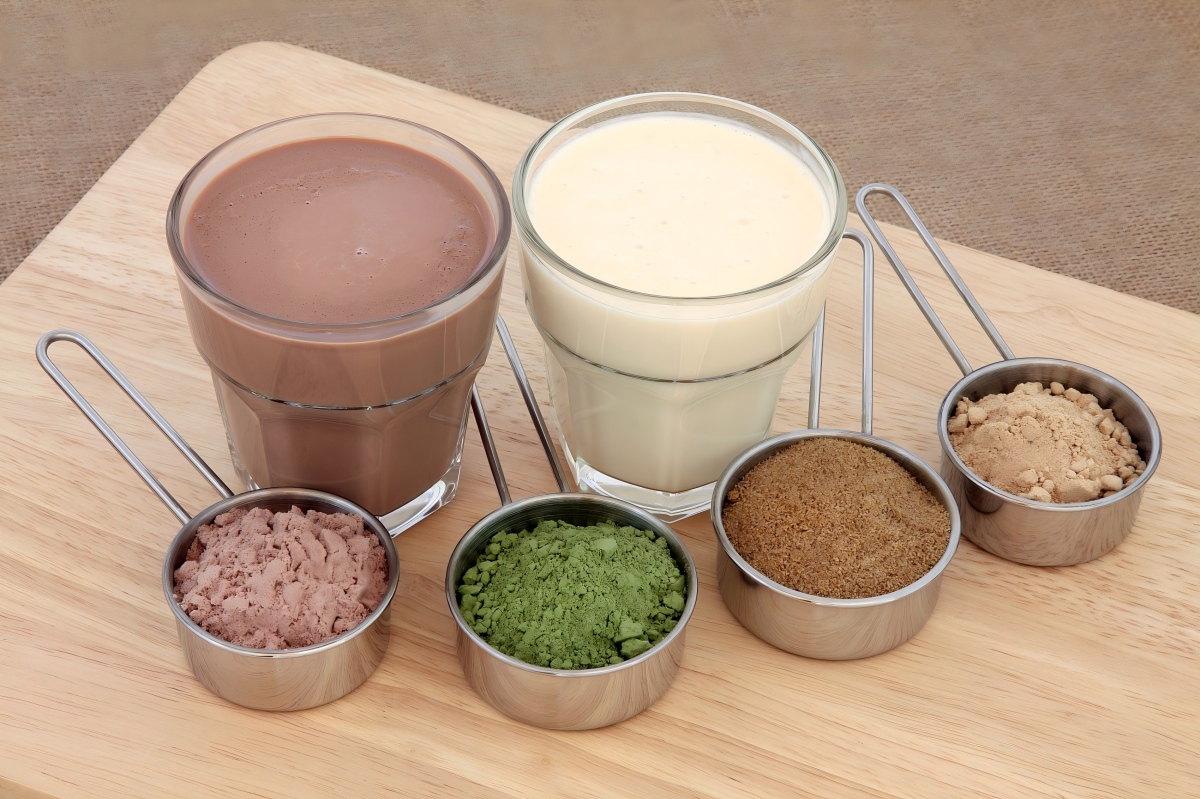

















Choosing compatible functional oil microencapsulation powders for powdered products (especially meal replacement powders) requires comprehensive consideration of product stability, nutrient retention, solubility, and final taste. The following are systematic selection and evaluation steps:
I. Define Core Product Needs
Functional Positioning
Oil Type: Omega-3 (fish oil, algae oil), MCT, CLA, phospholipids, etc. The core function must be clearly defined (e.g., energy supply, brain health, weight management).
Dosage: Calculate the percentage in the powder based on the target daily intake.
Product Process and Usage Scenarios
Preparation Temperature (cold water/warm water), whether heating or baking is required.
Storage Conditions (whether there is a possibility of exposure to high temperature and high humidity environments).
II. Evaluation of Key Technical Indicators of Microencapsulation Powder
Encapsulation Rate and Surface Oil Content
Encapsulation rate > 98% is preferred; the lower the surface oil content (usually < 1%), the better, as this avoids oil oxidation, clumping, and odor migration.
Wall Material Compatibility
Wall Material Types: Commonly used materials include gelatin, gum arabic, casein, polysaccharides (such as cyclodextrin), and plant proteins (soy protein, pea protein).
Selection Principles
Match the solubility of the wall material with the meal replacement powder matrix (protein powder, dietary fiber, etc.);
Gelatin can be chosen when there is no need for allergens (low cost, good film-forming properties); gum arabic or plant proteins can be chosen for vegan products;
Note whether the wall material contains sugar (such as maltodextrin), which must be included in the total carbohydrates.
Oxidative Stability
Request the supplier to provide peroxide value (PV), anisidine value (AV), and total oxidation value (TOTOX) data; the lower the better.
Microencapsulated powders with added antioxidants (such as vitamin E, rosemary extract) can extend shelf life.
Particle Characteristics
Particle Size Distribution: Recommended 50-150μm, close to the particle size of the meal replacement powder to avoid stratification.
Density and Flowability: Match the base powder to ensure uniform mixing.
III. Key Steps in Compatibility Testing
Physical Mixing Test
Dry mix with meal replacement powder according to the specified ratio, observing whether it disperses easily and whether there is clumping.
Check for stratification after vibration/resting.
Reconstitution Test
Simulate actual reconstitution (different water temperatures and stirring intensities), observing:
Dissolution rate and suspension stability;
Whether there is an oil film or scum on the surface;
Whether the solution is cloudy or has sediment.
Flavor Masking Effect
Smell the powder directly and taste it after reconstitution, checking for any rancid or fishy smells.
Accelerated Stability Test
High Temperature and High Humidity Test: Place at 40℃ and 75%RH for 1-3 months, periodically testing:
Clumping of microcapsule powder;
Changes in peroxide value;
Degree of flavor degradation.
Long-Term Room Temperature Test: Simulate actual shelf life to assess oxidation risk.
IV. Supplier Selection Criteria
Qualifications and Certifications
Does the supplier possess food safety management system certifications such as FSSC22000 and ISO22000?
Does the supplier meet the requirements for non-GMO, Halal/Kosher certifications, etc.?
Technical Support and Data Transparency
Complete technical documentation is required (component analysis, oxidation indicators, toxicology reports);
Can the supplier provide customized services (such as wall material adjustments, antioxidant solutions)?
Production Costs and Scale Capabilities
Assess whether the unit price aligns with the product positioning;
Confirm whether the supplier's production capacity can meet mass production needs.
V. Common Problems and Solutions
Problem | Possible reasons | Solution |
Oil float/film after mixing | Low embedding rate and poor hydrophilicity of wall material | Replace with a product with a high encapsulation rate and add an emulsifier (such as phospholipids). |
Powder agglomeration | Microcapsule powder absorbs moisture and surface oil seeps out. | Choose low-surface-oil products and optimize warehouse humidity control. |
Flavor deterioration (a rancid taste) | Insufficient oxidative stability | Choose microencapsulated powders with added antioxidants and switch to inert packaging. |
Turbid after dissolution | Interaction between wall materials and meal replacement powder ingredients | Adjust the type of wall material (e.g., switch to caseinate). |
VI. Recommended Validation Process
1. Sample testing → 2. Formula adaptation adjustment → 3. Pilot production validation → 4. Shelf life simulation → 5. Consumer taste test
Summary
The key to selection lies in "data-driven validation": initial screening through objective data such as oxidation indicators, encapsulation rate, and particle size, followed by testing in actual formulation scenarios. It is recommended to prioritize suppliers with application cases of meal replacement powder or protein powder, and ensure they have stable mass production capabilities. The final choice needs to balance cost, stability, and clean label requirements, and achieve synergistic optimization of functionality, taste, and shelf life.