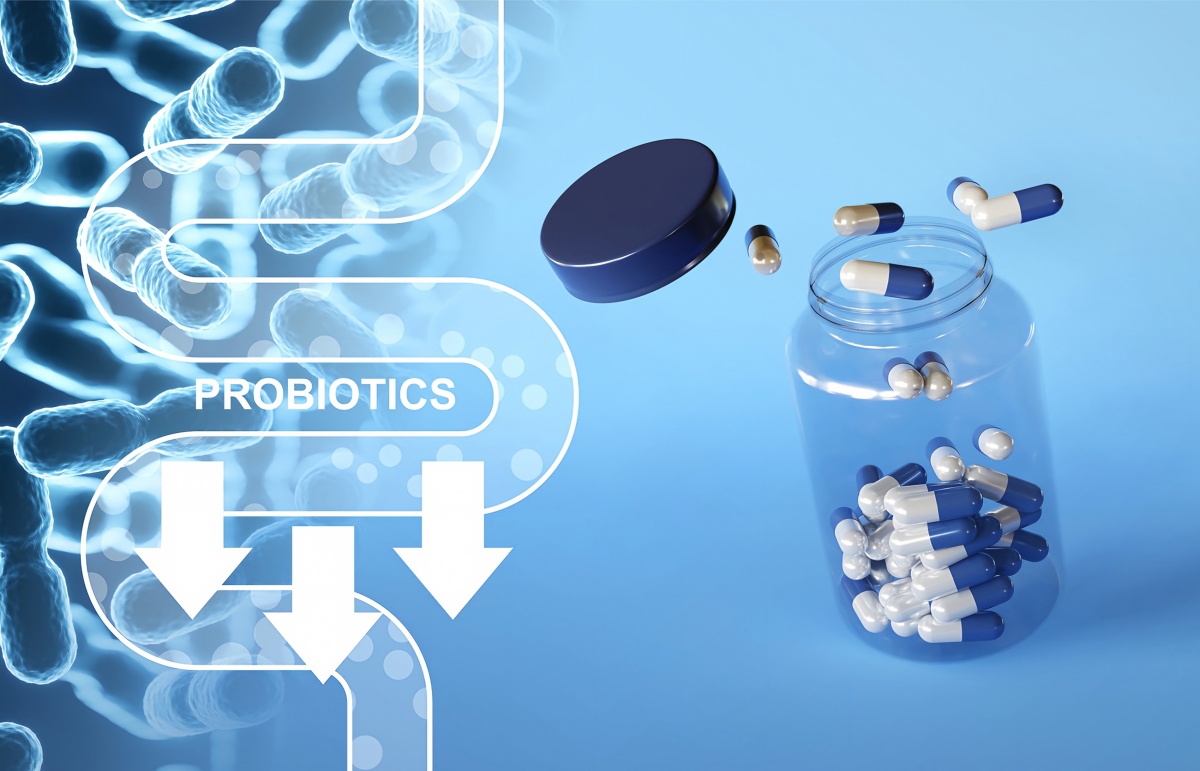

















Probiotics are known as the "Guardians of Intestinal Health" and have clear beneficial effects in regulating the balance of intestinal flora, enhancing immune function, and inhibiting the proliferation of pathogenic bacteria. However, probiotics are living microorganisms with a very "delicate" personality - the high temperatures during food processing will kill them in large numbers, and their activity will slowly lose during refrigeration and storage. Even if they are successfully eaten, gastric acid and bile will disintegrate them before they reach the intestines. Studies show that less than 10% of unprotected probiotics successfully reach the intestines.
So, how do you make probiotics "alive" reach the intestines and work? The answer is encapsulation technology (also known as microencapsulation technology).
1. What is probiotic encapsulation technology?
Probiotic encapsulation technology uses natural or synthetic polymer materials (i.e. "wall materials") to form one or more layers of protective barriers around single or multiple probiotic cells. The principle is similar to putting on a breathable and strong "armor" for probiotics - wrapping the probiotics with safe natural materials to form tiny capsule particles, only a few microns to a few millimeters in diameter.
This "armor" is usually made of natural edible materials such as polysaccharides (such as sodium alginate, chitosan, pectin) or proteins (such as whey protein, gelatin, vegetable protein). These materials must be stable in the acid environment of the stomach and be able to dissolve and release after reaching the intestinal tract.
2. The core role of embedding technology
Encapsulation technology provides two core capabilities for probiotics:
1. Defense - resist external harm
The embedding layer can effectively isolate external damage such as gastric acid (pH 1.5-3.5), bile, high temperature, oxygen and moisture, allowing probiotics to remain active during transportation and digestion. Studies have shown that using encapsulation technology can increase the survival rate of probiotics in simulated gastric juice from less than 10% to 30%-50% (basic encapsulation), while using intestinal targeting technology can reach more than 60%-80%.
Specific data: Lactobacillus acidophilus embedded in sodium alginate/chitosan microcapsules has a survival rate of 85.3% after heat treatment, which is 14.5% higher than that of free bacteria; Lactobacillus plantarum double-embedded with plant mucus and chia seed protein has a survival rate that is 40% higher than that without encapsulation; and the latest research shows that the encapsulation rate of polyphenol-modified heteroprotein complex aggregate microcapsules can reach 99.43%.
2. Intelligent release - accurately delivered to the intestines
Embedding technology not only “protects” but also “intelligently releases”. After reaching the intestinal tract, the embedded layer slowly dissolves under the stimulation of the intestinal environment (such as neutral pH, specific enzymes), and the active probiotics are accurately released. This gut-responsive release feature ensures that the probiotics are in the right place to work.
3. Extend shelf life and processing stability
The encapsulation technology can also reduce the negative impact of oxygen and moisture on probiotic activity and significantly extend the shelf life stability of the product. At the same time, the tolerance of embedded probiotics to high-temperature processing (such as pasteurization) is also greatly improved.
3. Mainstream embedding technologies and processes
At present, probiotic encapsulation technology has developed a variety of mature processes:
Process method | Principle | Advantages | Applicable scenarios |
Extrusion method | Mix probiotics and sodium alginate and squeeze them into the solidification solution through a needle to form gel microspheres | Simple operation and low cost | small scale preparation |
Emulsification method | Mix probiotics into oil to form small droplets, then wrap the wall material to solidify | Capsules are smaller and suitable for mass production | industrialized production |
Spray drying | The coating liquid is dried into powder by hot air flow | High efficiency and uniform particles | probiotic powder |
Freeze drying method | Low temperature vacuum drying | Little damage to probiotics | Highly active bacteria powder |
In recent years, emerging technologies such as layer-by-layer assembly (Layer-by-Layer), electrospray, and microfluidic technology have also emerged, providing the possibility for more precise delivery of probiotics.
4. Technology evolution: from “basic embedding” to “intelligent targeting”
Probiotic encapsulation technology has gone through three stages of development:
1.0 Basic encapsulation: mainly microencapsulation to form a physical barrier and increase the survival rate to 30%-50%.
2.0 Intestinal targeting: Use pH-sensitive or enzyme-sensitive materials (such as acrylic resin, pectin, chitosan) to achieve colon-targeted release, with a survival rate of 60%-70%.
3.0 Intelligent response system: Integrating nanotechnology and bioengineering, it has environmental response capabilities, such as time-controlled release, biofilm-inspired encapsulation, receptor-mediated targeting, etc., and the survival rate can reach more than 80%.
5. Application fields and market prospects
Encapsulation technology has been widely used in dairy products, fruit and vegetable beverages, functional dietary supplements and other fields. For example, even if yogurt with microcapsulated probiotics is processed and stored at low temperatures, the number of probiotics reaching the intestines can still meet health needs.
From the perspective of market size, the global microencapsulated probiotic beads market has been valued at US$2.8 billion in 2025 and is expected to grow to US$5.2 billion in 2033, with a compound annual growth rate of 8.3%. The global probiotic microencapsulation market will be valued at approximately US$1.8 billion in 2025 and is expected to reach US$3.7 billion in 2034. Notably, 70% of commercially available probiotic strains are currently delivered in microencapsulated form.
6. Future trends
Currently, probiotic encapsulation technology is continuing to evolve in the direction of multi-layer encapsulation, nanoscale capsules, natural functional wall materials, and synergistic encapsulation of probiotics + prebiotics. At the same time, domestic encapsulation technology is rapidly breaking through international monopoly, injecting new impetus into the upgrading of China's probiotic industry.
For consumers, the advancement of encapsulation technology means that we can buy more reliable and effective probiotic products - no longer "eating lonely", but truly allowing probiotics to reach the intestines "alive" and exert their due health value.
Résumé:
Probiotic encapsulation technology is a core technology that protects probiotics from environmental damage such as gastric acid and bile through microencapsulation and achieves precise intestinal release. It increases the survival rate of probiotics from less than 10% to more than 80%, which is a key support for functional foods to move from the "race in the number of strains" to the era of "precision efficacy".